Matt Cardy/Tatyana Larina/Getty Images
There is a particular aesthetic that holds sway in vast territories of modern motherhood: the throw pillow stitched with Live Laugh Love, the stemless wine glass reading Mommy’s Sippy Cup, the Instagram reel joking that bedtime is encroaching on wine time.
We’re meant to laugh and recognize ourselves in it. It’s harmless humor, we’re told. A coping mechanism. A wink at how hard motherhood can be and why we deserve a mental “break.”
Alcohol allows us to take the edge off without ever naming what’s wrong, smoothing the dissonance between what we feel and what we think we should feel.
But what if the joke isn’t harmless? What if this cultural script, especially the version adapted and shared among Christian women, teaches mothers that it’s better to cope than to heal? What if the cost isn’t just personal, but burdensome for their children in ways that may not appear for years to come?
Jokingly giving women permission to booze it up guilt-free has helped wine sales skyrocket. Along the way, we’ve seen the rates of women dying from alcohol-related illnesses increase by 35%.
These numbers aren’t a coincidence. Overdrinking has become an acceptable way of life, and it is destructive in ways women don’t realize when they first pick up a glass.
Motherhood is exhausting, in both good and hard ways. We’re raising children in an era of constant stimulation, economic pressure, social isolation, and relentless comparison. Many are doing this with less community support than ever before. Their fatigue is real, and feeling overwhelmed is justified.
But reaching for wine doesn't fix the problem. It just makes it worse.
Instead of offering meaningful support or naming the loneliness created by distance from extended family and lives increasingly lived through screens, our culture handed women a temporary salve for wounds that require real presence and care.
Never mind that alcohol worsens anxiety, disrupts sleep, and wreaks havoc with emotional regulation.
This “wine-mom” culture didn’t emerge accidentally. It was marketed by alcohol companies that realized mothers were an untapped demographic. They rebranded drinking as self-care, reward, and relief.
Christians didn’t stand apart from this trend. We joined it because it felt respectable and far removed from the caricature of addiction we were taught to fear. We weren’t legalists, after all.
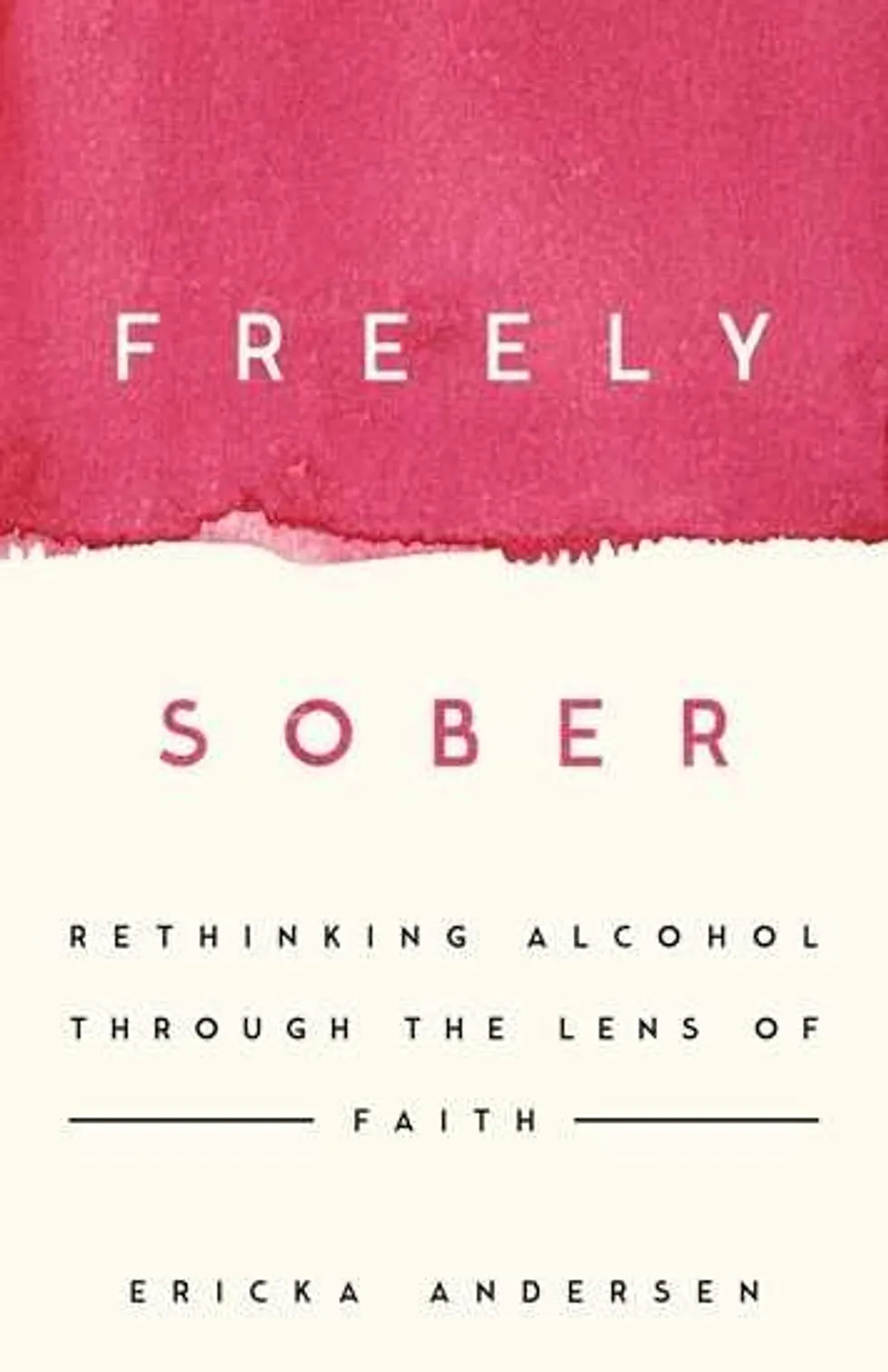
In my book "Freely Sober: Rethinking Alcohol Through the Lens of Faith," I argue that Christian women have been lured into the same trap — and need a pathway out.
 Intervarsity Press
Christian women are often taught, explicitly or implicitly, to be grateful, content, and joyful no matter their circumstances. Complaining feels sinful, and naming dissatisfaction feels unspiritual.
Alcohol becomes a work-around. It allows us to take the edge off without ever naming what’s wrong, smoothing the dissonance between what we feel and what we think we should feel. It offers temporary relief without asking hard questions.
And because wine is so normalized — at times celebrated — no one intervenes. In fact, friends often encourage it. Churches rarely question it, and the jokes keep coming, even from those who are well-meaning. Overconsumption becomes a socially acceptable sin, and then we feel ashamed when it is hard to quit or cut back.
Most mothers who participate in wine culture are not falling-down drunk. I was a Christian mom, and to the rest of the world, I appeared to be thriving. Like many women, I was functional — which made the problem easy to ignore.
But our families don’t just get the part of us that keeps it together at the office or always makes it to the gym. They get us in every hard and holy moment. And a mother who is emotionally dulled night after night is less present, even if she’s physically there.
A mother who relies on alcohol to cope is often quicker to irritability and slower to patience. She’s less attuned to her children’s needs, less engaged in conversations, and less available for the simple moments where connection is built. Alcohol dulls perception, and children often communicate distress in the quietest ways — ways that are easy to miss. I know I did.
Children notice more than we think. They learn how adults handle stress, observe what celebration looks like, and internalize the message that hard feelings are something to escape, not endure. The damage of wine-mom culture is rarely dramatic, and that’s where the danger is. It erodes slowly, normalizing emotional absence and teaching that numbing out is fine.
The slogan itself is revealing when you look at it this way:
Live — avoid suffering.
Laugh — drown discomfort in humor.
Love — indulge yourself first.
It is a shallow creed for a culture allergic to pain. Christianity offers a radically different vision. It does not promise escape from suffering, but promises meaning within it. It does not offer numbing, but transformation. Alcohol promises rest, but Christ actually gives it.
Wine is a counterfeit, temporary relief that ultimately does more harm than good when taken in excess. The gospel does not call women to white-knuckle their pain, but neither does it tell them to anesthetize it. True rest comes from truth-telling, community, repentance, and renewal, not a drug-based substitute.
For years, I believed the joke, or pretended to. I wasn’t reckless or spiraling and told myself I was just doing what everyone else was doing. Drinking to unwind, to cope, to feel “normal” again.
But slowly, I realized that alcohol promised something it could never deliver. It made hard days easier (for a few hours), but meaningful growth harder (for years). I justified my drinking based on cultural encouragement, running from the idea that sobriety might be a better choice for me.
When I finally quit drinking five years ago, sobriety didn’t magically fix my life, but it forced me to face it honestly — and that is the beginning of freedom. I want other women to know they too can feel that freedom.
RELATED: 3 healthy habits to bring you closer to God in 2026
 Bettman/Getty Images
In modern America, mothers are often told they are victims — of systems, expectations, and circumstances beyond their control.
What we really need is permission to tell the truth — to admit hardship, even when it forces us to confront the ways we have chosen to cope with it. We need communities and opportunities that acknowledge this season of life without offering numbing as the solution. We need churches willing to name alcohol honestly, not as a forbidden fruit, but as a false savior. We need friendships built on presence, not punch lines or escape rooms.
Most of all, we need to hear that our motherhood struggles aren’t a failure. The desire to overcome the hard moments is totally normal, and it is understandable that we would look for an easy way to do so. But there are better, healthier ways to walk through these times. One of the most countercultural things a mother can do today is stay awake to her own life.
Choosing clarity, and the courage to seek better ways to live, changes a woman, her relationship with God, her family, and the mark she leaves on the world.