Drew Angerer/Getty Images
Grappling with our role as Christians in politics and culture, my husband and I were recently asked: “Why does our involvement in politics matter if we’re living in a world not built to last?”
It’s a good question — an honest one. These friends genuinely wanted to understand the why behind the frenzy. Having spent our careers and large portions of our lives contending for truth in politics and in a culture gone mad, I felt the question deserved a thoughtful answer. They’re not the only ones asking it.
When the righteous abandon the public square, just laws disappear with them. A vacuum is always filled. If Christians refuse to engage, others will — eagerly.
As Christians, we know the world is not our home. “Heaven and earth will pass away,” as the Gospel of Matthew reminds us. Ecclesiastes tells us life is fleeting. We live for the eternal, not the temporal. So why does engagement in politics and culture matter at all?
It comes down to this: Politics matter because people matter. God calls us to be salt and light in a dark world and commands us to pursue justice in a world warped by evil. The Epstein files serve as a grim reminder of how depraved humanity can become — and what happens when the powerful are left unchecked and the vulnerable are abandoned.
From the very beginning, God established rule, authority, and government. Whether civil authorities or church leaders, governance is simply part of life. What Christians often overlook, however, is God’s second command in Genesis. The first is well known — “Be fruitful and multiply.” But in Genesis 1:28, God also commissions humanity to exercise dominion over creation, over “every living thing that moves on the earth.”
The Hebrew word for dominion, radah, means “to rule.” Why would this charge appear so early in Scripture if governing did not matter? If authority were meant to be purely secular, why would God create it at all? God designs nothing without purpose, and the structures of authority He established are no exception.
Positions of power were created to promote human flourishing — not to be exploited or abused, as history and our present moment so often reveal because of sin. That reality makes it all the more vital that the righteous lead with integrity.
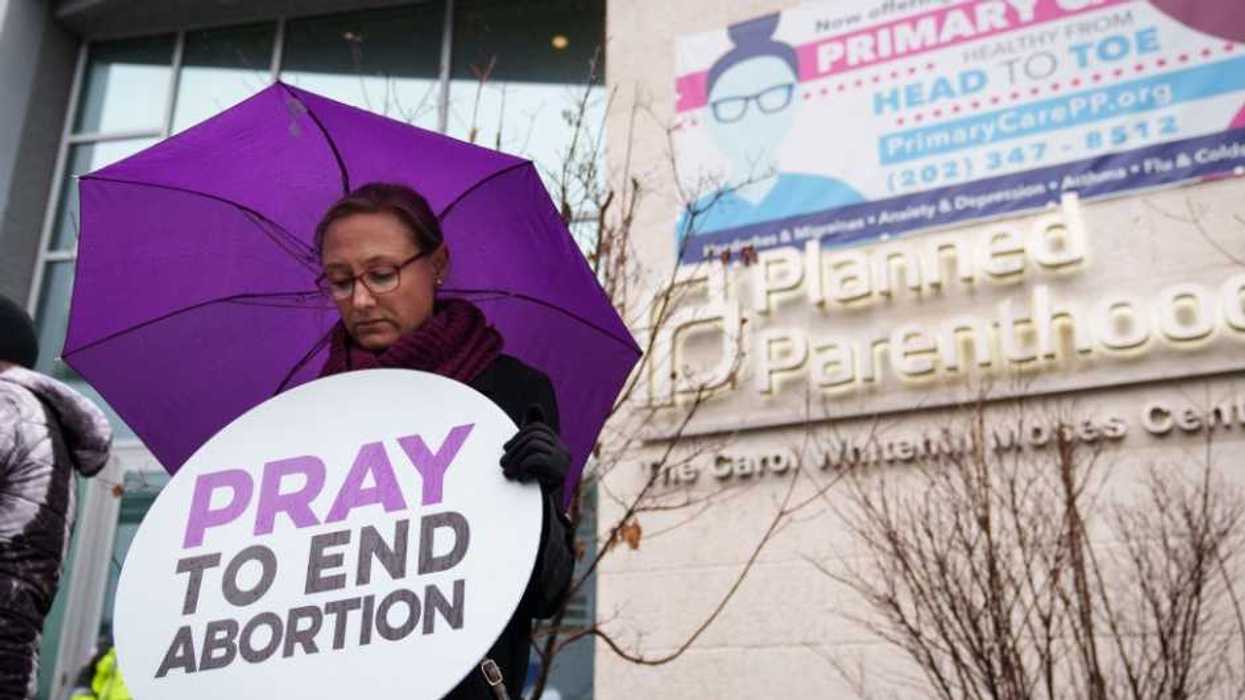
“When the righteous increase, the people rejoice, but when the wicked rule, the people groan,” Proverbs 29:2 tells us. We see this play out when those in power promote abortion, authorize irreversible medical interventions on minors, erode parental rights, normalize sexual exploitation, silence dissent, undermine religious liberty, weaken the family, encourage lawlessness, release violent offenders, and punish those who speak truth — all while calling it “progress.”
When we reach heaven’s gates, God will hold us accountable not only for what we did, but for what we failed to do. Apathy is not a virtue. Withdrawing from public witness is not spiritual superiority. Speaking truth in love on biblical issues is not optional obedience.
Since God Himself establishes governments, Christians have a responsibility to engage thoughtfully with those in power — guiding and influencing leadership toward justice, righteousness, and human flourishing. This does not mean we must all run for office or work in politics. But it does require basic stewardship, including something as simple and consequential as voting.
God placed Adam in charge of creation. He appointed Moses to lead Israel, commissioned Joshua to govern, and established judges to administer justice — a model echoed centuries later by the founding fathers. Kings were appointed. Prophets were sent. None of this was accidental. In a world fractured by sin, law and order are necessary. Evil cannot be restrained when those who govern are committed to it.
Justice matters because without it, truth is silenced, the innocent suffer, and evil flourishes unchecked.
Somewhere along the way, Christians began to believe that withdrawing from politics and culture was noble — that pastoral ministry or missionary work is morally superior. It isn’t. Jesus spent the first 30 years of His life working as a carpenter. Why bother with ordinary labor if the world was destined to pass away? Why not remain permanently in the temple, removed from daily life?
Jesus told us to be in the world, not of it. Our obedience and stewardship here carry eternal weight. The idea that disengagement is more holy is a distortion of biblical teaching.
Scripture repeatedly calls God’s people to action: “To do justice, and to love kindness, and to walk humbly with your God” (Micah 6:8). The Hebrew word translated as justice here is tzedek — righteousness. Justice is not passive. It requires presence, courage, and participation.
When the righteous abandon the public square, just laws disappear with them. A vacuum is always filled. If Christians refuse to engage, others will — eagerly. Yet many believers now hesitate even to pray publicly for elected officials, let alone speak truth into the systems shaping society. This retreat has consequences. Christian theology gave birth to Western ideals of human dignity, ordered liberty, and justice. Walking away from institutions shaped by those truths is not humility; it is neglect.
King Lemuel’s mother understood this responsibility. In Proverbs 31:8-9 she exhorts him: “Open your mouth for the mute, for the rights of all who are destitute. … Judge righteously; defend the rights of the poor and needy.” Silence in the face of injustice is not neutrality — it is failure.
Dietrich Bonhoeffer put it plainly: “We are not to simply bandage the wounds of victims beneath the wheels of injustice; we are to drive a spoke into the wheel itself.”
RELATED: Do you follow a diluted Jesus — or the full-strength one?
 Don Bartletti/Getty Images
There is always something worth fighting for. In "The Lord of the Rings," Samwise Gamgee reminds Frodo: “There’s some good in this world, Mr. Frodo. And it’s worth fighting for.” The line endures because it’s true. Surrender is not our calling.
Goodness and beauty are worth pursuing. Babies are worth protecting. Innocence is worth preserving. Shielding the vulnerable from evil is worth defending.
That said, a word of caution from experience: Politics can consume you. We must never let it become our religion. Faith must inform politics — not the other way around. God first. Family second. Everything else follows. Our identities must be anchored in Christ alone. Power, prestige, and influence are not the goal; glorifying God is. If He entrusts us with influence, we are called to steward it faithfully for the good of others.
Our vocations are about service, not self. In her essay "Why Work?" Dorothy Sayers reminds us that engagement in culture, labor, and governance is not a distraction from faith — it is one of the primary ways faith is lived out. “The only Christian work is good work well done,” she wrote. If God is Lord over all of life, then faith must shape how we build, govern, create, and serve.
When we stand before God Almighty, may we give a faithful account — that we contended for the good entrusted to us, defended the vulnerable, protected our children, and refused to surrender truth to fear. Goodness and beauty are worth pursuing. Justice must be upheld. Our involvement in politics and culture is not optional; it is part of our Christian stewardship. Let us therefore “run with endurance the race that is set before us” and not grow weary in doing good.