Rebeka Zeljko
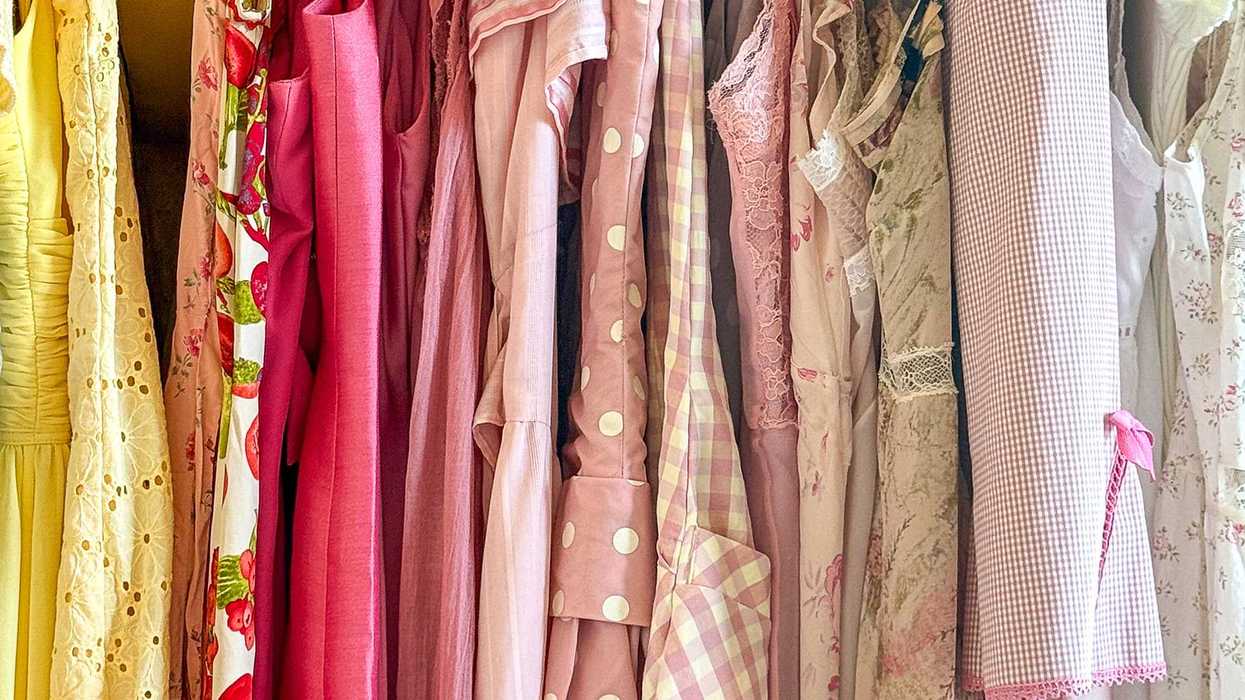
In my high school days, I worked at a grocery store next to a Goodwill, where I would spend most of my paychecks on vintage pencil skirts and embroidered napkins. What started as a lunch break hobby quickly grew into a full-fledged, financially irresponsible habit of collecting vintage clothing.
It scratched some sort of primitive itch to forage for the best deal or the most unique piece. My Christmas wish lists were filled with obscure eBay links to Edwardian lawn dresses and archival Vivienne Westwood pieces I couldn’t afford.
This hobby quickly surpassed the financial threshold I was comfortably burdening my parents with on birthdays or holidays. To my checking account’s dismay, I had collected a century’s worth of vintage dresses to the point where my closet actually collapsed onto itself. Sifting through vintage Vogue editorials and the online Met archives had fueled an obsession that never fully subsided.
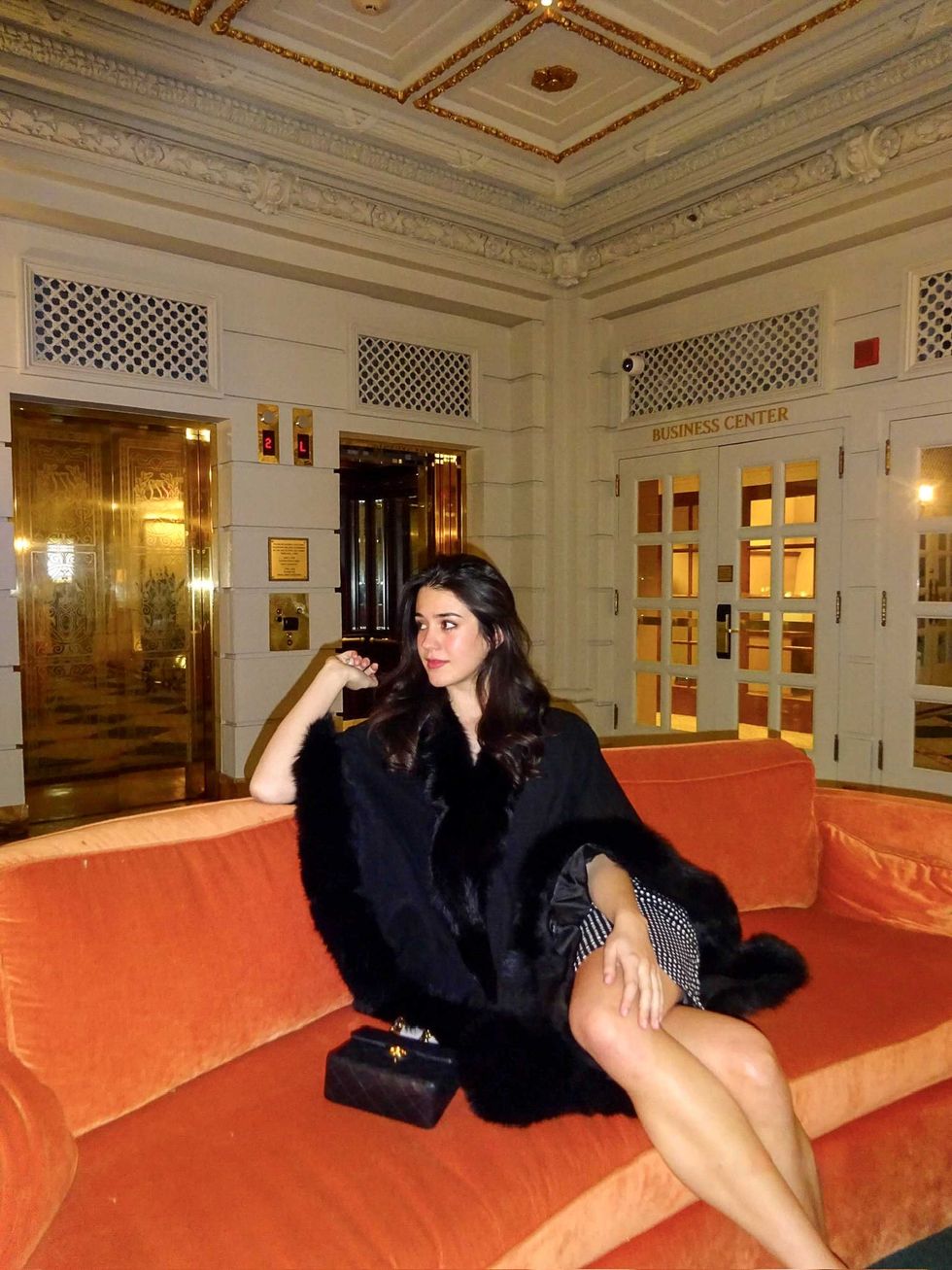 There is a certain glamour to these clothes that can never be reproduced by fast fashion.Rebeka Zeljko
A few years into my collecting, I noticed more and more teenage girls began skimming through racks at the thrift store. At first I thought of the other girls as competition, but I quickly realized this was part of a larger trend among the younger generation.
It took me by surprise because Gen Z has become so accustomed to instant gratification. Why would an entire generation that grew up in the age of convenience and internet shopping be interested in spending hours looking through piles of dingy, often dirty, clothes just to find one (usually stained) 1930s slip dress?
I could only describe this desire as a form of counterculture. Commodification and the division of labor have indeed made everyday goods accessible and inexpensive, and fashion is no exception. But the unintended consequence of convenience was an industry devoid of charm, design, and quality of everyday items, especially clothes.
Clothes are now made to last a season rather than a lifetime. Often, they are made in conditions that would make a minimum wage job in the United States look like luxury. It used to be the case that clothes were maintained, if not made entirely, by local cobblers, seamstresses, and tailors. Now your clothes are typically manufactured by underpaid and overworked children in a sweatshop halfway across the globe.
Aside from the obvious ethical conflict, the designs of the clothes themselves have become impersonal. Vintage summer dresses were often made entirely of cotton with a silhouette that thoughtfully considers the person who will wear it. If you were to buy a sundress at your local mall nowadays, it is likely made of polyester, viscose, acrylic, or some combination of the three. The modern dresses are designed to vaguely follow the trends of the day but they will almost always be unflattering, unfashionable in a matter of months, and ultimately unworn. And it will probably set you back around $80.
But it’s not all bad. Not every American woman is neurotic enough to care about the material her sweater is made of or the style of her dress. Good enough is good enough for some people, and that’s what matters. But for collectors and fashion enthusiasts, there’s a real market to return to meticulously designed clothing. And brands are starting to take notice.
There’s an element of nostalgia which explains why fashion trends are cyclical. The 1970s revived the Edwardian era, which is why many prairie dresses from 50 years ago resemble cotton lawn dresses of the early 1900s. Jimmy Choo recently re-released a capsule collection of archived, coveted stiletto designs from 1997 to 2001, some of which became their own subplots in the repopularized TV show, Sex in the City.
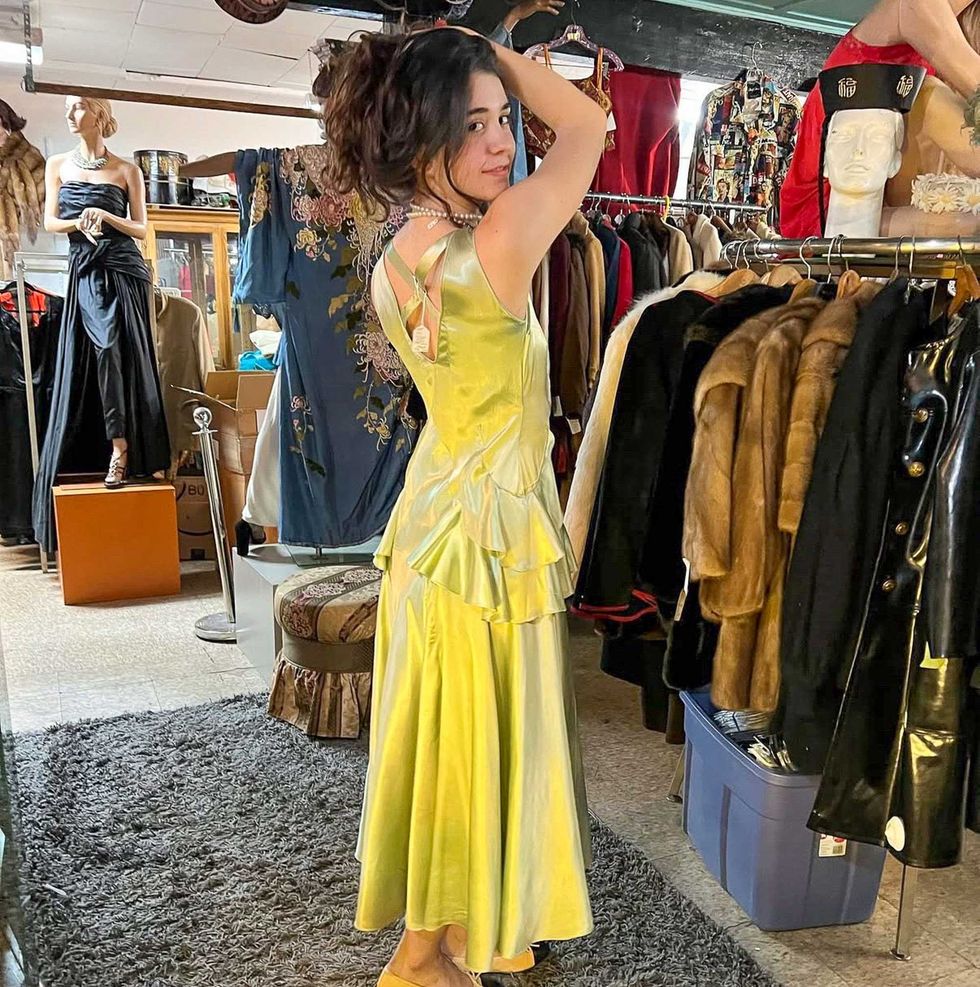 Part of the fun is the hunt in finding vintage items.Rebeka Zeljko
One featured episode shows Carrie Bradshaw, the female protagonist and dating columnist, trying to catch a ferry from Staten Island to New York when her lilac, strappy heel with a feathered detail gets stuck, causing her to miss the ferry and shout, “I lost my Choo!” Another shoe Jimmy Choo re-released had a strappy leopard print heel that Carrie wore in the opening sequence of the show, styled with a pink tank top and iconic tutu skirt.
It’s not just Jimmy Choo that is relying on nostalgia to drive customers to their boutiques. Fashion houses are increasingly inspired by styles of the past. Manolo Blahnik, another iconic shoe designer who often dressed Carrie, created an exclusive collection of shoes for Sofia Coppola’s 2006 film Marie Antoinette. Although the movie took many creative liberties that dramatized late 18th-century France, Manolo Blahnik’s creations mimicked the ornate frills and flounces that characterized the elite’s footwear at the time. Very few of these shoes were ever put into circulation and most of them are in museums, but Manolo Blahik responded to the demand.
Similar to Jimmy Choo, Manolo Blahnik released their own collection of Marie Antoinette pumps inspired by their collaboration for the film. The shoes are not an exact replica of the styles featured in Coppola’s movie, but their existence demonstrates the market desire for craftsmanship and charming design.
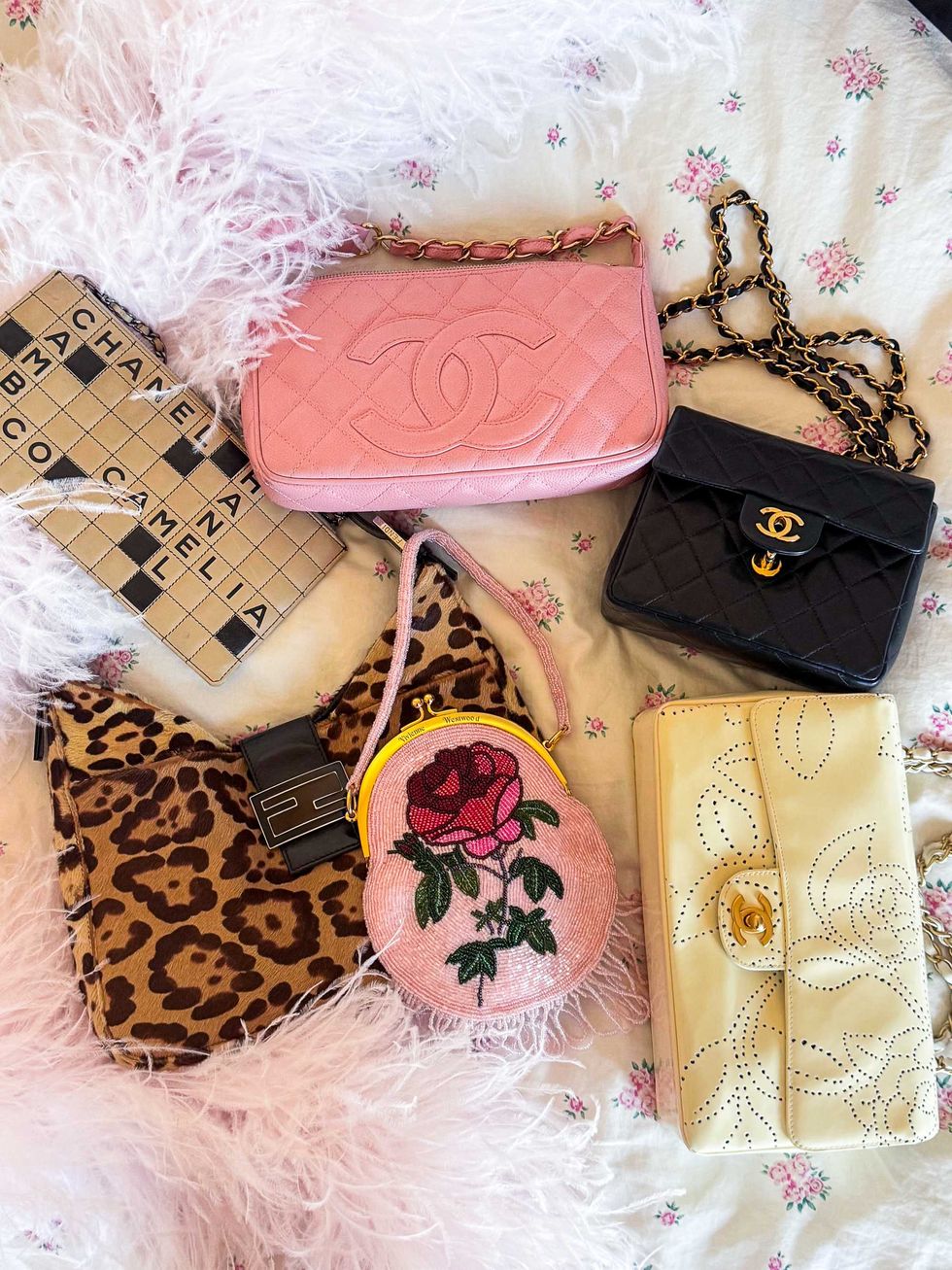 Vintage Chanel is always a good choice.Rebeka Zeljko
That being said, most women, including myself, don’t have $1,300 to spend on shoes. Instead, we resort to the second-hand market.
The popularity of second-hand shopping has skyrocketed in recent years, more than doubling from $23 billion in 2018 to $56 billion in 2025. In 2022, 1.4 billion second-hand clothing items were purchased in the United States, which represented a 40 percent increase from the year before. In 2023 alone, the clothing resale market grew 15 times faster than the general retail industry, and it’s expected to continue growing.
In addition to in-person thrifting and consignment stores, resale websites like ThredUp, Poshmark, and Depop have increased the convenience and accessibility of buying second-hand, whether it’s a vintage swing coat from the 1960s or a contemporary pair of jeans. Other websites like The RealReal, Vestiaire Collective, and even eBay have become one-stop shops for fashion enthusiasts to find a coveted designer piece at an impossibly low price. I use all these sources regularly.
As a result, my (no longer broken) closet is full of vintage Galliano, archive Moschino, and runway Chanel pieces I otherwise never would have been able to afford. Instead of spending $300 on a contemporary Macy’s gown to wear to a wedding, I get to pull out my forest green 1990s Vera Wang silk dress I scored for $40 at an estate sale. Instead of wearing a $200 polyester Aritzia suit to work, I get the satisfaction of putting on a perfectly fitted skirt suit from the 1960s.
This is the result of hours of sleuthing, scrolling through anxiety-inducing Ebay auctions, and sheer determination. This hobby is time consuming and not always practical, but it is rewarding. It may not be for everyone, but it is for me.