Bobby Bank/WireImage/Getty Images
Taking cancel culture to its obvious conclusion
Cancel culture, the practice of publicly shaming people and organizations — often resulting in an individual losing their job or a business losing customers — for saying or doing something objectionable, has been amplified in recent weeks as racial unrest took over the country in the wake of George Floyd's tragic death in Minneapolis.
Now, those chickens are coming home to roost.
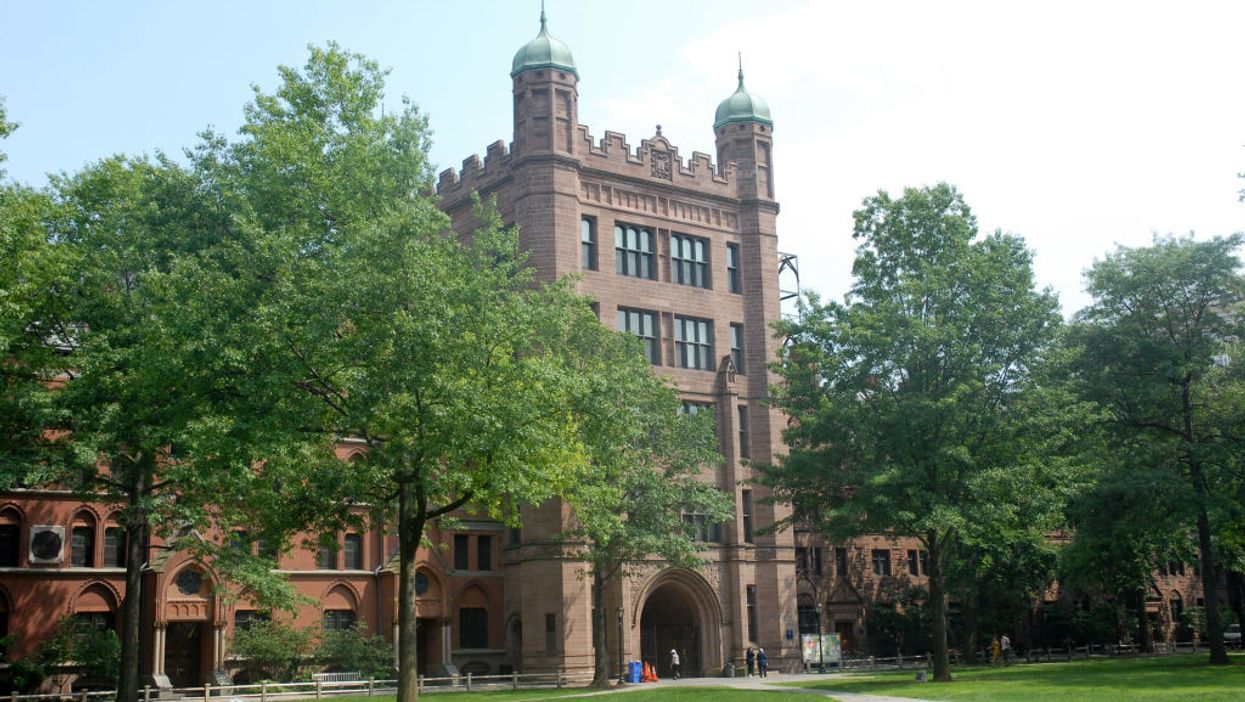
Conservative pundit Jesse Kelly triggered a wave of "#CancelYale" momentum over the weekend after observing that Elihu Yale, the man for whom Yale University is named, was a notorious slave trader.
"Yale University was named for Elihu Yale. Not just a man who had slaves. An actual slave trader. I call on @Yale to change it's name immediately and strip the name of Yale from every building, piece of paper, and merchandise. Otherwise, they hate black people," Kelly tweeted, along with the hashtag "#CancelYale."
In another tweet, Kelly mocked, "I'm ok with arresting Yale faculty and alumni, but I think they all should be allowed to buy their way out of prison with reparation payments. Let's end Yale's vicious cycle of keeping other human beings in captivity. #CancelYale."
"I would never attend @Yale because I don't believe black people should be slaves. Unlike Yale," Kelly later tweeted.
Other social media users piled on with hilarious comments mocking cancel culture:
Kelly also targeted Harvard University, Brown University, Georgetown University, and New York City.
Later, Kelly tweeted, "I am calling on both parties in Congress to pass the Strip University Credentials Act for every American university like Yale, Georgetown, and Brown who are founded by slave owners. I'm calling it the SUC Act. End university racism and these monuments to slavery."