Kim Hairston/The Baltimore Sun/Tribune News Service/Getty Images
What do Gracie Jiu-Jitsu and a viral body-camera video from the University of Central Florida have in common? More than most people might think.
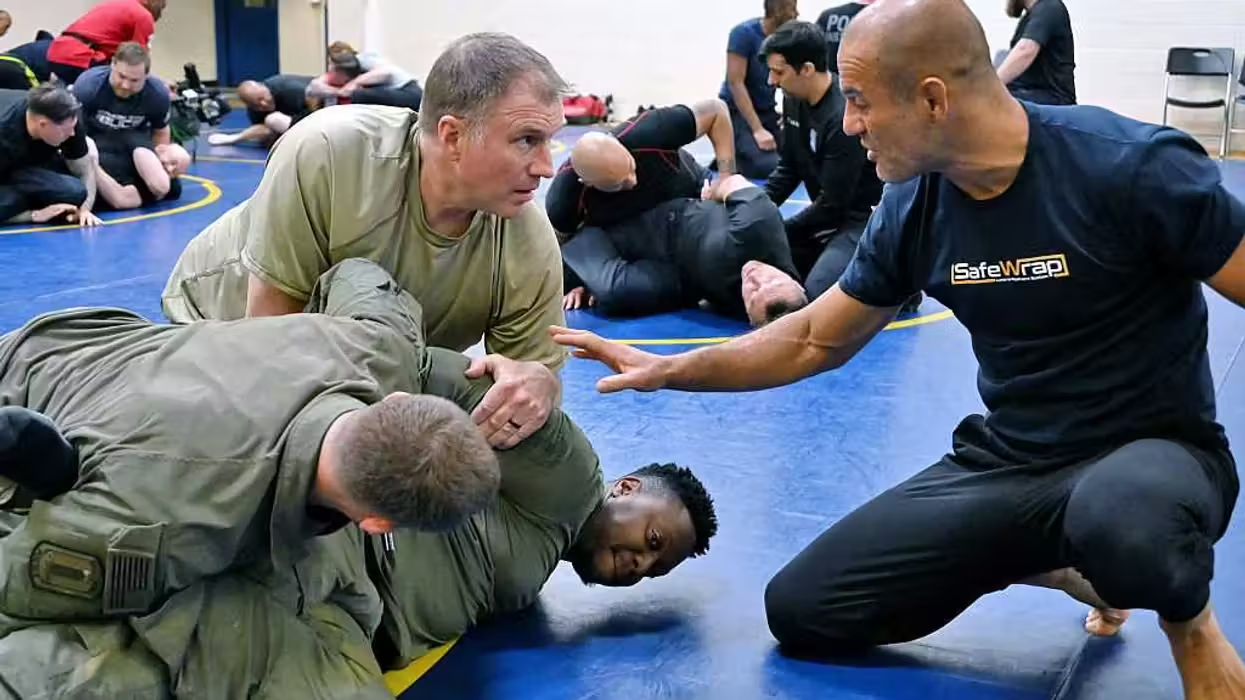
Last weekend, I attended an instructor-certification program at Gracie University in Torrance, California. It was my third time completing the training since I began studying Gracie Jiu-Jitsu six years ago. Rener and Ryron Gracie have developed a remarkable system that adapts essential techniques for real-world confrontations while prioritizing everyone’s safety.
The objective of every arrest should be simple: The officer goes home safely, the suspect enters custody alive and without unnecessary injury, and bystanders remain safe.
They also helped develop SafeWrap, a restraint system created after medical professionals asked for a safer way to control violent patients. Hospitals sometimes needed five or six nurses to restrain one belligerent person, exposing staff and patients to serious injury.
That problem came to mind while I watched the UCF video. The encounter has become another argument about pronouns, mental health, and whether the officer used the right words. Those questions may deserve discussion. But the video also reveals a more practical failure: It took officers far too long to place one resisting person in handcuffs.
The officer began with verbal commands. When those failed, he warned that he would use pepper spray. Backup arrived. The student continued resisting. Officers threatened a Taser and eventually deployed it, yet the struggle continued before they finally secured the handcuffs.
Whatever one thinks about the politics surrounding the incident, a prolonged physical struggle endangers everyone involved.
Every additional second increases the chance of serious injury. Officers suffer damaged shoulders, backs, and hands. Suspects can strike their heads, break bones, or experience medical emergencies. Bystanders can become involved. A routine arrest can turn into a tragedy when officers lack a reliable method for establishing control without escalating through increasingly severe force.
This is where Gracie training deserves serious attention.
I am a professor, not a police officer or medical professional. But I have trained in Gracie Combatives and SafeWrap, and the underlying principle is straightforward: Use position, leverage, and technique to control a dangerous person quickly while minimizing injury.
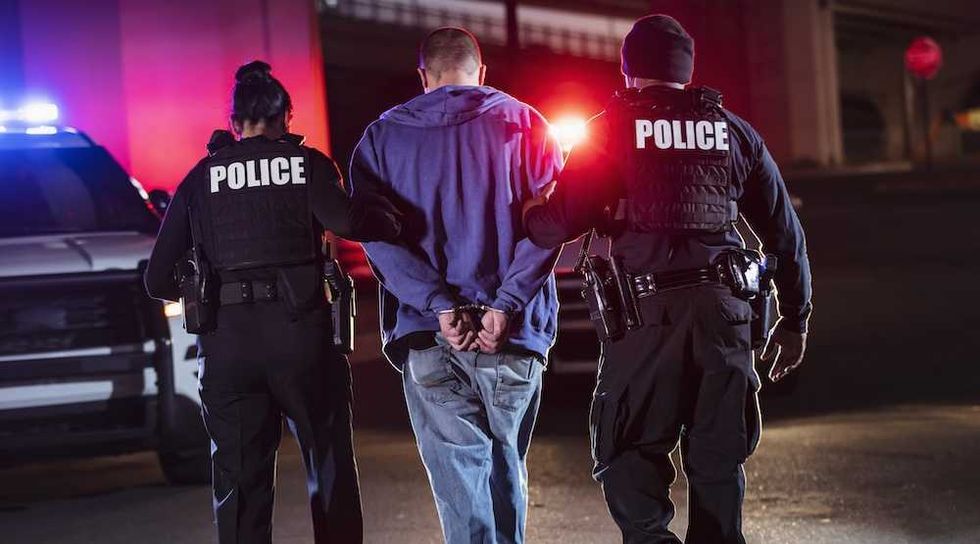 kali9/iStock/Getty Images
Police departments should study Gracie Survival Tactics. The program adapts the same philosophy behind SafeWrap for law enforcement, teaching officers to establish positional control, restrain resisting subjects, and transition safely to handcuffing.
Gracie Jiu-Jitsu teaches a smaller or weaker person to overcome a larger opponent through skill rather than brute force. Applied properly, those techniques help officers manage dangerous encounters involving suspects, bystanders, and fellow officers.
The goal is not to win a fight. It is to end the fight safely and move the suspect into the justice system.
Good control tactics can reduce the need for repeated strikes, prolonged wrestling, and repeated use of intermediate weapons. They also make officers less likely to escalate out of fear or frustration because they have techniques that work under pressure.
Pain compliance often fails when a person is intoxicated, mentally ill, or in extreme emotional distress. Pepper spray does not affect everyone equally. Tasers do not always produce immediate compliance. The UCF student was tased and still resisted.
RELATED: ‘Back the blue’ cannot mean blind obedience
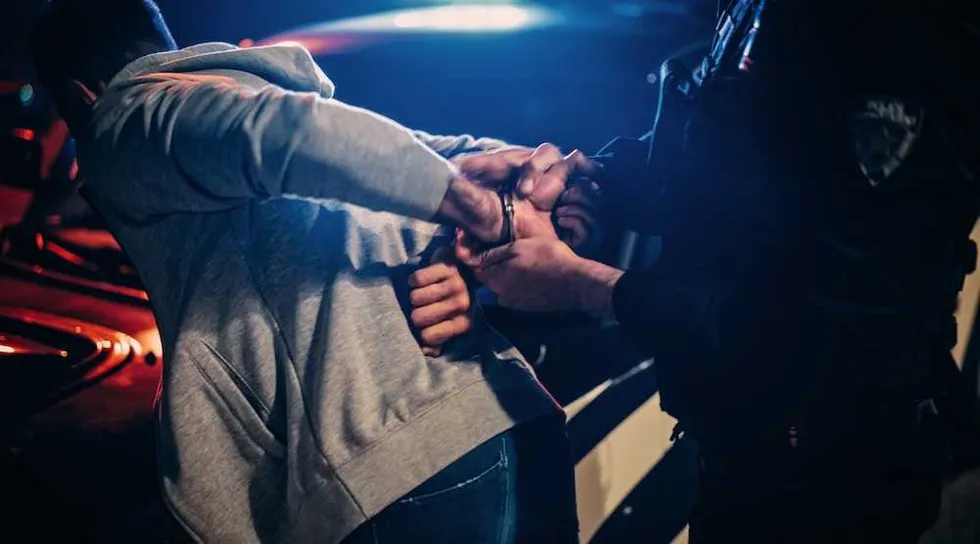 gorodenkoff/iStock/Getty Images
When those tools fail, officers need a dependable way to control the person. Simply forcing a suspect prone and placing a knee on the back is neither reliable nor always medically safe. A subject can still posture onto his hands and knees, and prolonged pressure can create additional risks.
Safe restraint training offers a better option. Departments around the country have trained with Rener Gracie, and law enforcement professionals have provided favorable testimonials. The Los Angeles Police Department has also discussed the program’s effectiveness here.
America spends enormous sums on police technology while devoting comparatively little time to ensuring that every officer has competent grappling and restraint skills. We would never expect firefighters to rely on better hoses while neglecting rescue training. Policing deserves the same practical standard.
The objective of every arrest should be simple: The officer goes home safely, the suspect enters custody alive and without unnecessary injury, and bystanders remain safe.
Viral arrest videos will always invite political arguments. But anyone who wants fewer injuries, lawsuits, and controversial uses of force should support one practical reform: Train officers to control resisting suspects safely, efficiently, and humanely before the encounter spirals into something worse.
I train at Gracie Glendale in Phoenix and value every trip to Gracie University in Torrance. Medical and law enforcement professionals should consider SafeWrap and Gracie Survival Tactics. Citizens who want policing to be both effective and humane should ask their local departments whether officers receive this kind of training.