hoto by Andrew Lichtenstein/Corbis via Getty Images
What happened Sunday at the home of Rob and Michele Reiner is a family nightmare. A son battling addiction, likely complicated by mental illness. Parents who loved him. A volatile situation that finally erupted into irreversible tragedy.
I grieve for them.
Shame keeps families quiet. Fear keeps them guarded. Love keeps them hoping longer than wisdom sometimes allows.
I also grieve for the families who read those headlines and felt something tighten in their chest because the story felt painfully familiar.
We often hear the phrase, “If you see something, say something.” The problem is that most people do not know what to say. So they say nothing at all.
What if we started somewhere simpler?
I see you. I see the weight you are carrying. I hurt with you.
Families living with addiction and serious mental illness often find themselves isolated. Not only because of the chaos inside their homes, but because friends, neighbors, and even faith communities hesitate to step closer, unsure of what to say or do. Over time, silence settles in.
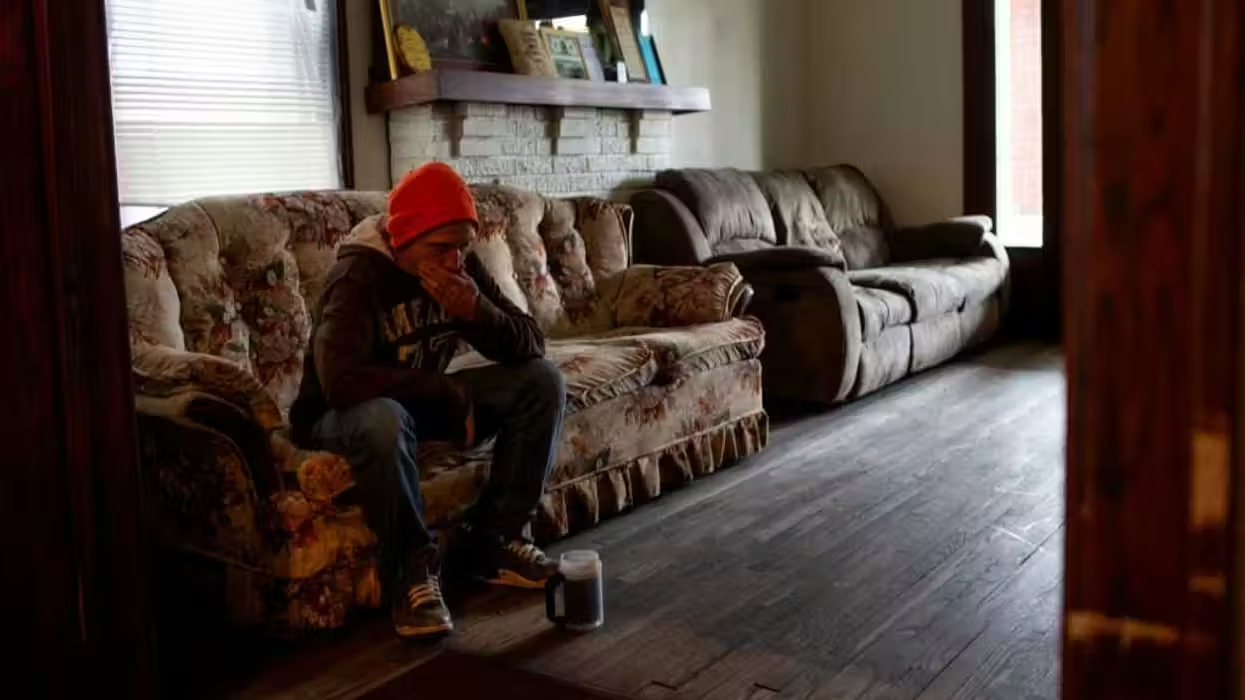
Long before police are called, before neighbors hear sirens, before a tragedy becomes a headline, people live inside relentless stress and uncertainty every day.
They are caregivers.
We rarely use that word for parents, spouses, or siblings of addicts, but we should. These families do not simply react to bad choices. They manage instability. They monitor risk. They absorb emotional whiplash. They try to keep everyone safe while holding together a household under extraordinary strain.
In many ways, this disorientation rivals Alzheimer’s. In some cases, it proves even more destabilizing.
Addiction is cruelly unpredictable. It offers moments of clarity that feel like hope. A sober conversation. An apology. A promise that sounds sincere. Those moments can disarm a family member who desperately wants to believe the worst has passed.
Then the pivot comes. Calm turns to chaos. Remorse gives way to rage. Many families learn to live on edge, constantly recalibrating, never certain whether today will be manageable or explosive.
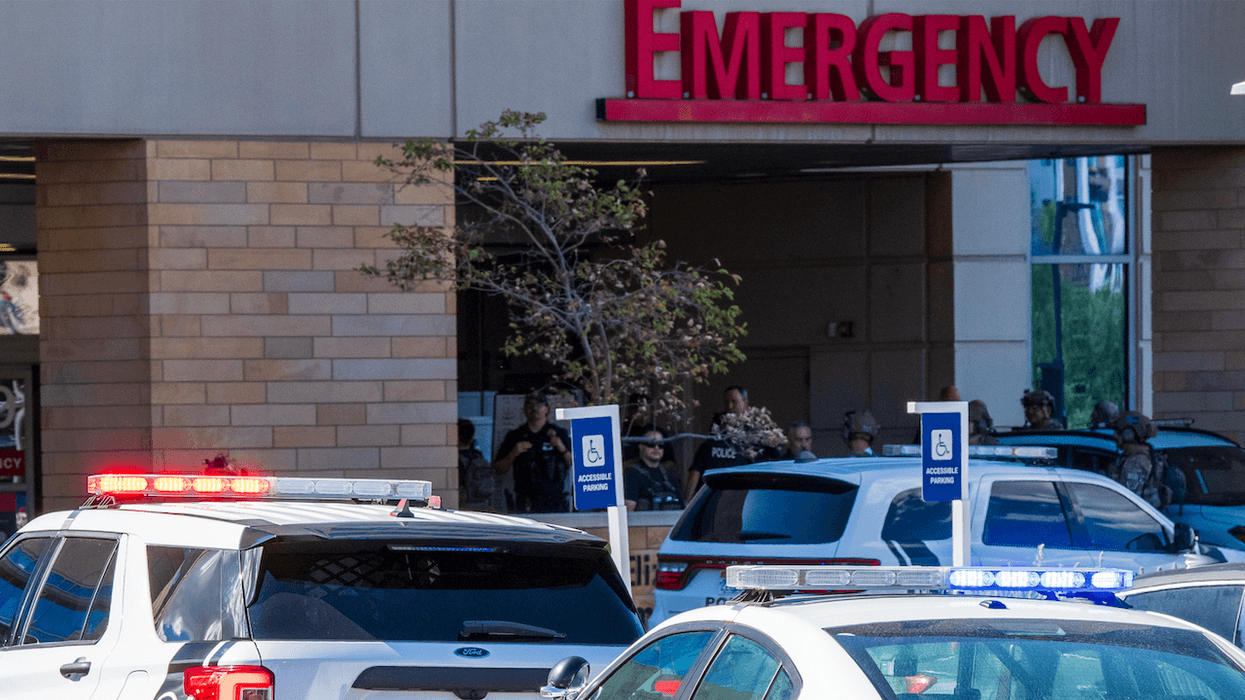
Law enforcement officers understand this reality well. Many domestic calls involve addiction, mental illness, or both. Tension often greets officers at the door, followed by a familiar refrain: “We didn’t know what else to do.”
Calling these family members caregivers matters because it reframes the conversation. It moves us away from judgment and toward reality. From, “Why don’t they just ...?” to, “What are they carrying?” It acknowledges that these families manage risk, not just emotions.
The recovery community has long emphasized truths that save lives: You did not cause it. You cannot control it. You cannot cure it. These principles are not cold. They bring clarity. And clarity matters when safety is at stake.
RELATED: The grace our cruel culture can’t understand
 Photo by Gary Hershorn / Getty Images
Another truth too often postponed until tragedy strikes deserves equal emphasis: The caregiver’s safety matters too.
Friends and faith communities often respond with a familiar phrase: “Let me know if there’s anything you need.” It sounds kind, but it places the burden back on someone already exhausted and often afraid.
Caregivers need something different. They need people willing to ask better questions.
Are you safe right now? Is there a plan if things escalate? Who is checking on you? Would it help if I stayed with you or helped you find a safe place tonight?
These questions do not intrude. They protect.
Often, the most meaningful help does not come as a solution, but as a witness. Henri Nouwen once observed that the people who matter most rarely offer advice or cures. They share the pain. They sit at the kitchen table. They walk alongside without looking away.
Caregivers living with someone battling addiction and mental illness often need at least one safe presence who sees clearly, speaks honestly, and stays when things grow uncomfortable.
We have permission to care, but not always the vocabulary.
Shame keeps families quiet. Fear keeps them guarded. Love keeps them hoping longer than wisdom sometimes allows. One of the greatest gifts we can offer is the willingness to penetrate that isolation with clarity, grace, and tangible help.
Grace does not require silence in the face of danger. Love does not demand enduring abuse. Faith does not obligate someone to remain in harm’s way.
Pointing a caregiver toward safety does not abandon the person struggling with addiction. It recognizes that multiple lives stand at risk, and all of them matter.
When tragedies occur, the public asks what could have been done differently. One answer proves both simple and difficult: Stop overlooking the caregivers quietly absorbing the blast.
RELATED: The courage we lost is hiding in the simplest places
 Photo by Wolfgang Kaehler/LightRocket via Getty Images
Welfare checks should not focus solely on the person battling addiction or mental illness. Families living beside that struggle often need support long before a breaking point arrives.
If you know someone whose son, daughter, spouse, or partner struggles, do not look away because you feel unsure what to say. You do not need to solve anything. You do not need to analyze anything.
Start by seeing them. Stay with them.
I see you. I see how heavy this is. You do not have to carry it alone.
Ask better questions. Offer practical help that does not depend on their energy to ask. Check on them again tomorrow.
This season reminds us that Christ did not stand at a safe distance from trauma. He came close to the wounded and brought redemption without demanding tidy explanations.
When we do the same for families living in the shadow of addiction and mental illness, we honor their suffering and the Savior who meets us there.