BRENDAN SMIALOWSKI/AFP via Getty Images
Since 1950, the National Book Awards — now overseen by the National Book Foundation — has recognized the best in American literary talent, honoring the likes of Ralph Ellison, William Faulkner, Flannery O'Connor, and J.D. Salinger.
In recent years, however, the foundation's judges appear to have prized politics over quality, at least in the category of nonfiction.
'The National Book Award has become a DEI checklist.'
In 2023, for example, the award went to an Indian activist's "retelling of U.S. history." In 2024, the prize went to a book that the foundation said "holds the U.S. to account for its cruelty." Last year, the foundation's handpicked judges gave the nonfiction award to an Egyptian-born critic for his long-winded attack on the West.
Among the titles longlisted for this year's award in the category of nonfiction is a work of agitprop about the supposed evils of white paint — a book which Steven Tucker, writing for the Federalist, noted was ironically printed on white paper.
Book publisher Simon & Schuster says in its description of "A Dead White: An Argument Against White Paint" by Columbia University associate professor Wendy Walters:
As the default color of our built environment, [white paint] asks us to believe that it’s neutral — that it has no signifiers or, perhaps more troublingly, that what it does signify, whether it be calmness, cleanliness, blankness, or purity, is unassailable and value-free. In this expansive, impassioned examination, cultural critic Wendy S. Walters interrogates all that we have taken for granted about the substance that colors, or fails to color, the structures and objects that surround us."
The race-obsessed author said in a 2021 video for Creative Capital — the outfit that gave her a grant to write the book — that her anti-white project "comes from a genuine and visceral dislike of white paint, a feeling that is at times overwhelming for me, and according to the estimations of others I know, a reaction that is possibly irrational."
When probing her "possibly irrational" dislike of the color white and use of white paint, Walters supposedly "discovered numerous examples of the way that it figured into systems of erasure, exclusion, violence, and the masking of power in the social and natural world."
RELATED: Three straight white guys walk into a poetry reading ...
 Derek Davis/Portland Portland Press Herald via Getty Images
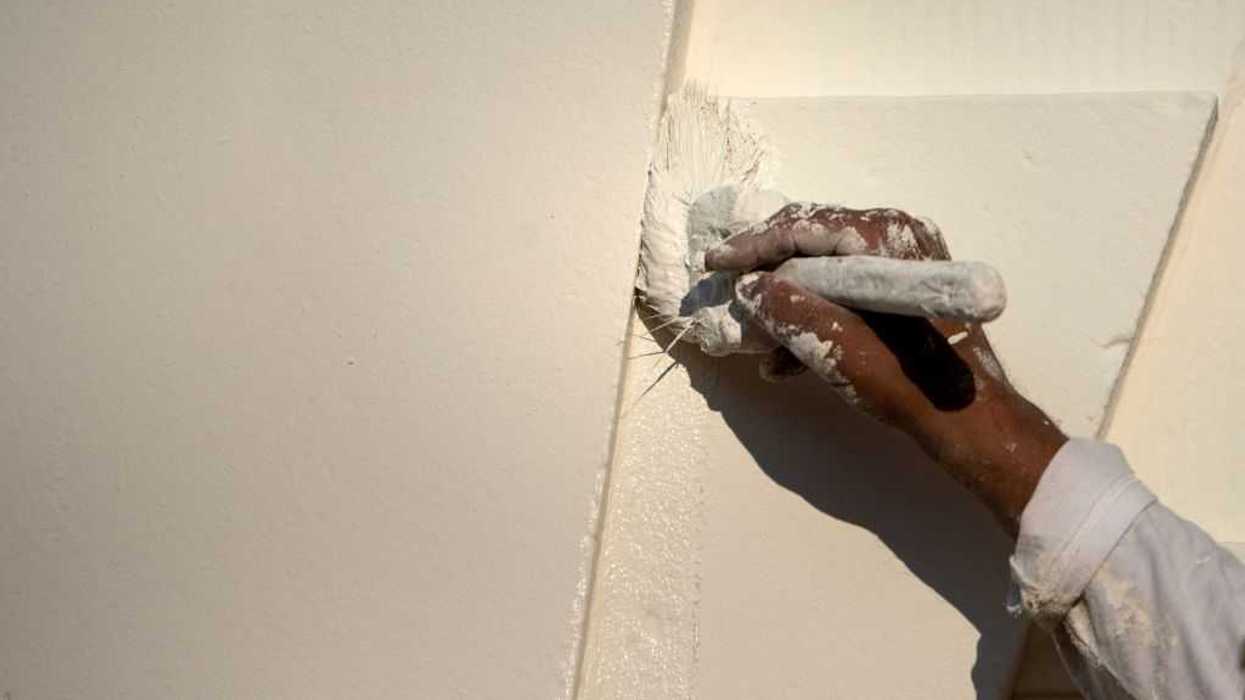
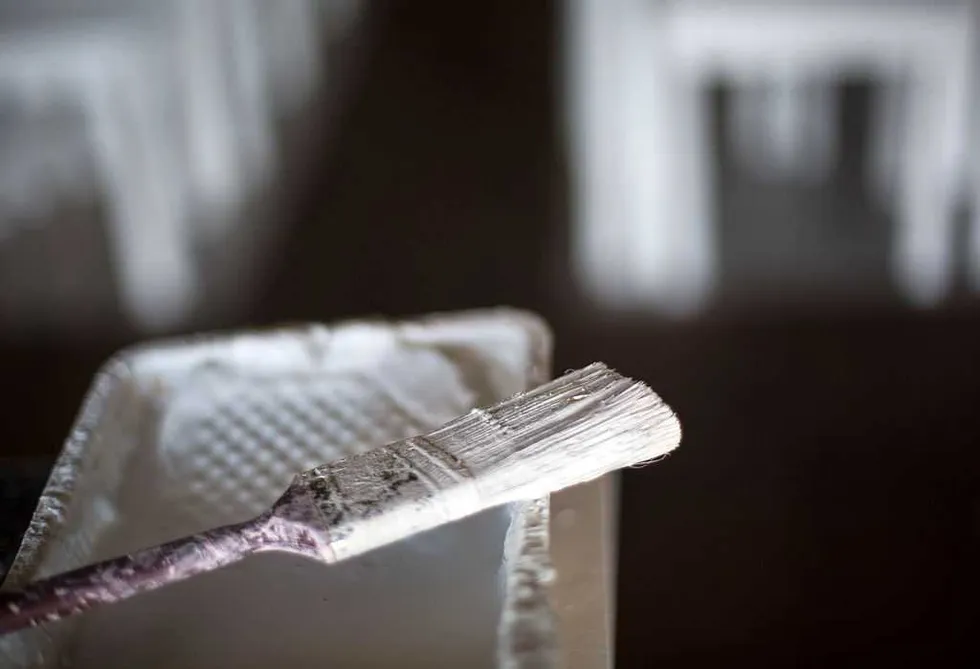
Walters complained about an instance where white paint was allegedly used by supremacists to deface Houston's Rothko Chapel and another instance where a rainbow crosswalk in Canada was painted over in white.
Ex-Washington Post book critic Ron Charles noted in his review of Walters' book, "At times, it feels as though Walters selected the entire world and typed Command-F 'white.'"
"Early on, she claims, 'This is a book about white paint, not about whiteness,'" Charles continued. "But that’s like claiming Moby-Dick is about whales, not about obsession."
Walters has a son with her white husband, author Dan Charnas, but she still managed to crowd around 350 white pages with justification for her hatred of white paint.
While this lengthy justification was panned in a New York Times book review on Thursday, it may ultimately be awarded next month by National Book Foundation judges.
Walters' placement on the National Book Awards' 2026 longlist is par for the course.
New York Times columnist Bret Stephens wrote in late September, "By my count, in the past decade, nine of the 10 winners of the National Book Award for fiction belonged to a minority group. In the nonfiction category, 10 of 10. Bluntly, the National Book Award has become a DEI checklist: Only authors with preferred identities, preferred topics, and preferred politics stand any realistic chance of winning."
Blaze News did not immediately receive a response from Walters or her publisher.
Like Blaze News? Bypass the censors, sign up for our newsletters, and get stories like this direct to your inbox. Sign up here!