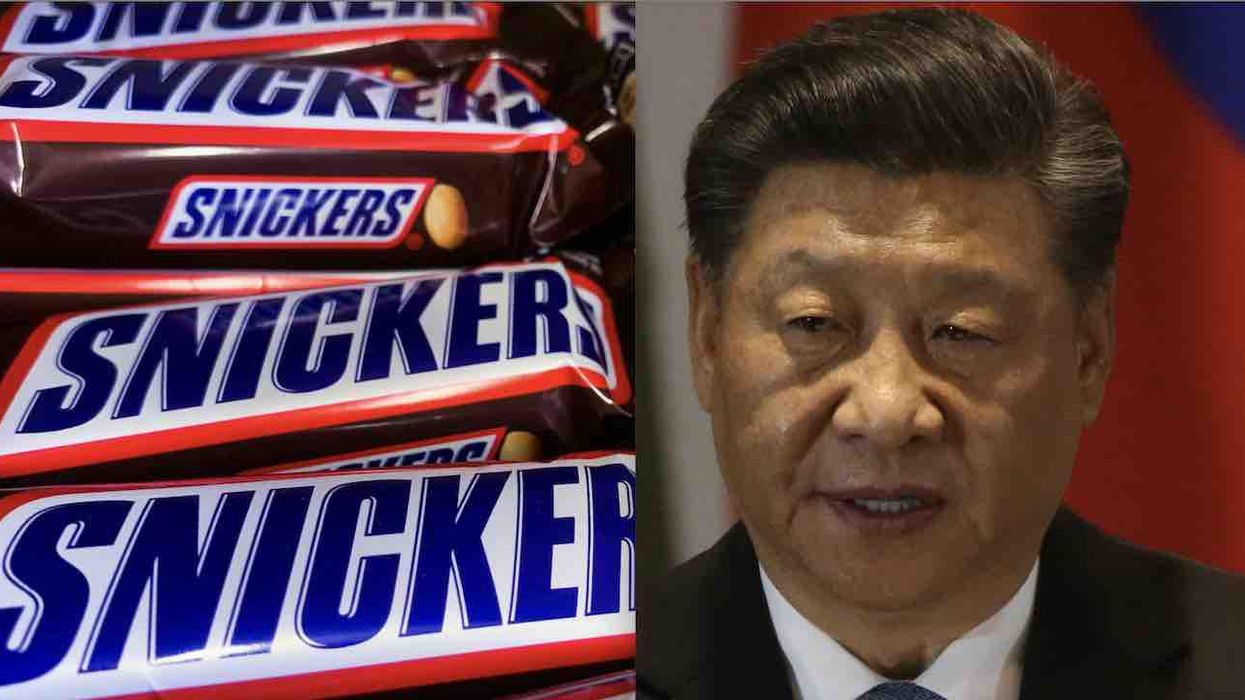
Photo by Jakub Porzycki/NurPhoto via Getty Images (left); Photo by Mikhail Svetlov/Getty Images (right)
Mars Wrigley apologized Friday for a Snickers product launch that referred the "countries" of South Korea, Malaysia, and Taiwan, Reuters reported. The sticking point is that China has long considered Taiwan part of its communist regime, while Taiwan is not of the same mind.
Videos and images of an event promoting a limited-edition Snickers bar said to be available only in the aforementioned places went viral on Chinese microblogging platform Weibo on Friday, the outlet added.
Mars Wrigley on its Snickers China Weibo account published an apology and said the relevant content had been amended, Reuters reported.
Chinese state news outlet the Global Times said Mars Wrigley "has verified & aligned the official site and social media accounts to ensure accurate content. Snickers owner Mars Wrigley said it respects China's [national] sovereignty and territorial integrity."
Mars Wrigley's apology to China was the latest in a long line of mea culpas delivered to the superpower as it continues to gain financial, cultural, and military strength:
But there are plenty of critics of those who kowtow to China. For example, "Real Time" host Bill Maher in February ripped NBA icon LeBron James, Olympian Eileen Gu, and Cena for seemingly putting profits over principles when it comes to speaking out against China's human rights abuses.
Other critics of China apologists have included sportscaster Bob Costas, CNN anchor Jake Tapper, Hollywood producer and comedian Judd Apatow, UFC star Colby Covington, and ex-NBA player Enes Kanter Freedom.
Meanwhile, China launched missile strikes in the Taiwan Strait on the heels of U.S. House Speaker Nancy Pelosi's visit to Taiwan on Tuesday, which she said "should be seen as a strong statement that America stands with Taiwan. We came to Taiwan to listen to, learn from and show our support for the people of Taiwan, who have built a thriving Democracy that stands as one of the freest and most open in the world."
U.S. Secretary of State Antony Blinken criticized China's missile launches as a "significant escalation," the Daily Mail reported.
NBC News reported that the rising tensions in the region look far different from a similar situation in 1995-96 when "the U.S. Navy sent warships through the Taiwan Strait and there was nothing China could do about it."
“It’s a very different situation now,” Michele Flournoy, a former undersecretary of defense for policy in the Obama administration, told NBC News. “It’s a much more contested and much more lethal environment for our forces.”
The network said Chinese President Xi Jinping now has "serious military power at his disposal, including ship-killing missiles, a massive navy and an increasingly capable air force. That new military might is changing the strategic calculus for the U.S. and Taiwan, raising the potential risks of a conflict or miscalculation, former officials and experts say."