Craig Ambrosio/Hulton Archive
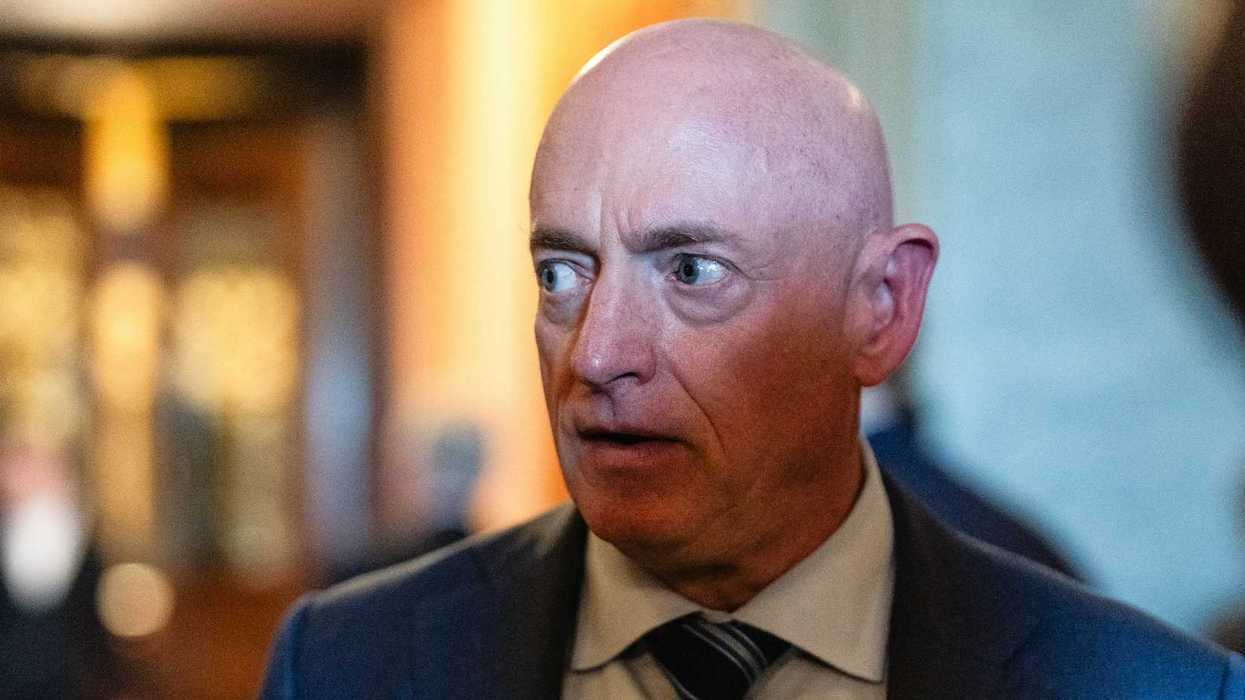
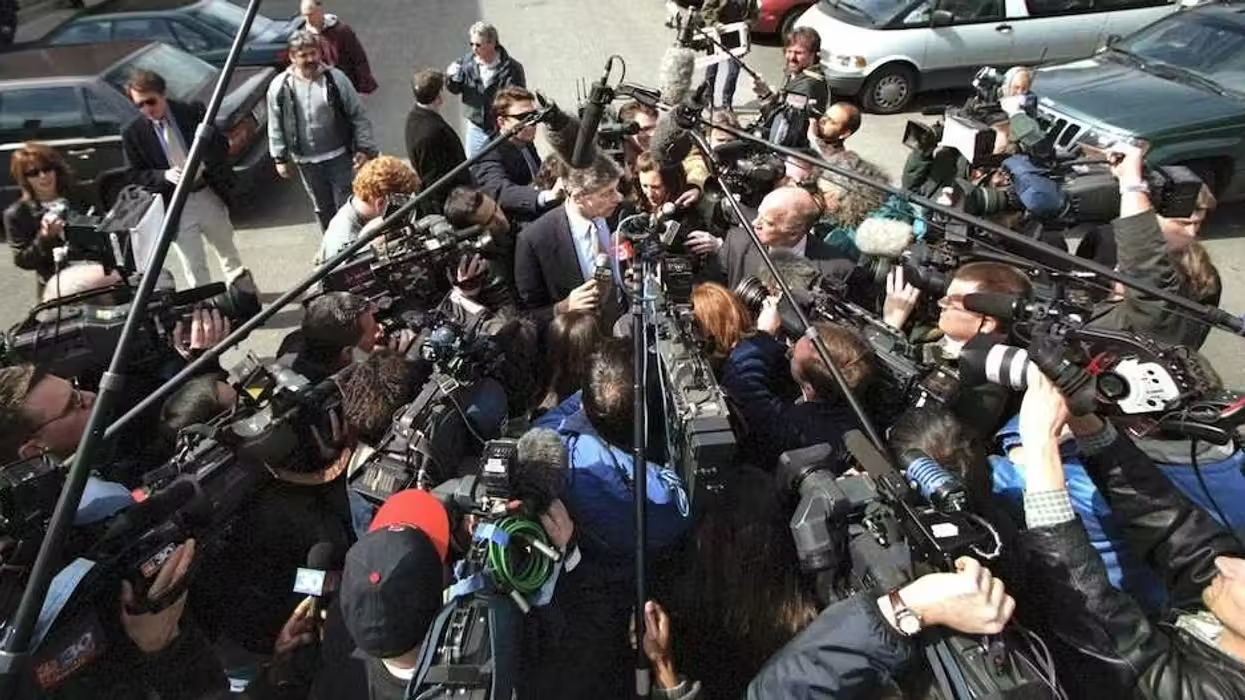
Los Angeles Police Department Detective Mark Fuhrman, who died last week at 74, played a central role in the 1995 O.J. Simpson trial. But even now, more than 30 years on, that needs clarification. Simpson, the former NFL star and actor, stood trial for the murders of Nicole Brown Simpson and Ron Goldman. In the courtroom, however, the real defendant often seemed to be Fuhrman.
Fuhrman collected key physical evidence, including the bloody glove. So Simpson’s defense team made the detective, not the accused killer, the trial’s main target. Fuhrman had denied using the “N-word,” but the defense proved otherwise and, from that point, argued that he could have planted evidence. On the other side, prosecutor Marcia Clark looked overmatched, and Christopher Darden did little better.
Mark Fuhrman can rest in peace knowing he was right all along.
As a stringer for the Washington Times, I was at the courthouse for the verdict. An airplane circled above towing a banner that read, “If it does not fit you must acquit — bulls**t.” I believed Simpson was guilty, but when the acquittal came down, I felt some relief. This was Los Angeles, where many people believe police do nothing but harass, beat, and kill black people. When that narrative takes hold, the default response is to burn down the city. The gangs were ready. For plenty of others, the verdict was a joke.
Jay Leno joked about Simpson’s new show, “My So-Called Knife,” while others volunteered to help O.J. “find the real killer.” As Fox News later noted, Fuhrman was convicted of perjury, making him the only person connected to the case who was convicted of a crime related to the trial. Yet many of his colleagues still regarded him as a strong detective, and later events helped explain why.
In 1998, Fuhrman published “Murder in Greenwich: Who Killed Martha Moxley?” The victim, a 15-year-old girl, was beaten to death with a golf club in 1975. Fuhrman showed how Greenwich police had effectively acted as a private security force for the wealthy Skakel family. They were also badly out of their depth on a murder case and botched the investigation, especially the crime scene.
The murder weapon, a 6-iron, came from a set owned by the Skakels. The evidence pointed strongly to someone in the family. Michael Skakel, then 15, had a reputation for violent behavior, giving Martha reason to fear him. In 2002, he was sentenced to 20 years to life for her murder.
But the Skakels are related to the Kennedys, and in 2003 Robert F. Kennedy Jr. wrote a lengthy article for the Atlantic arguing that Michael was innocent and his conviction and imprisonment were “a miscarriage of justice.”
RELATED: Former LAPD detective: Political correctness and justice are not compatible
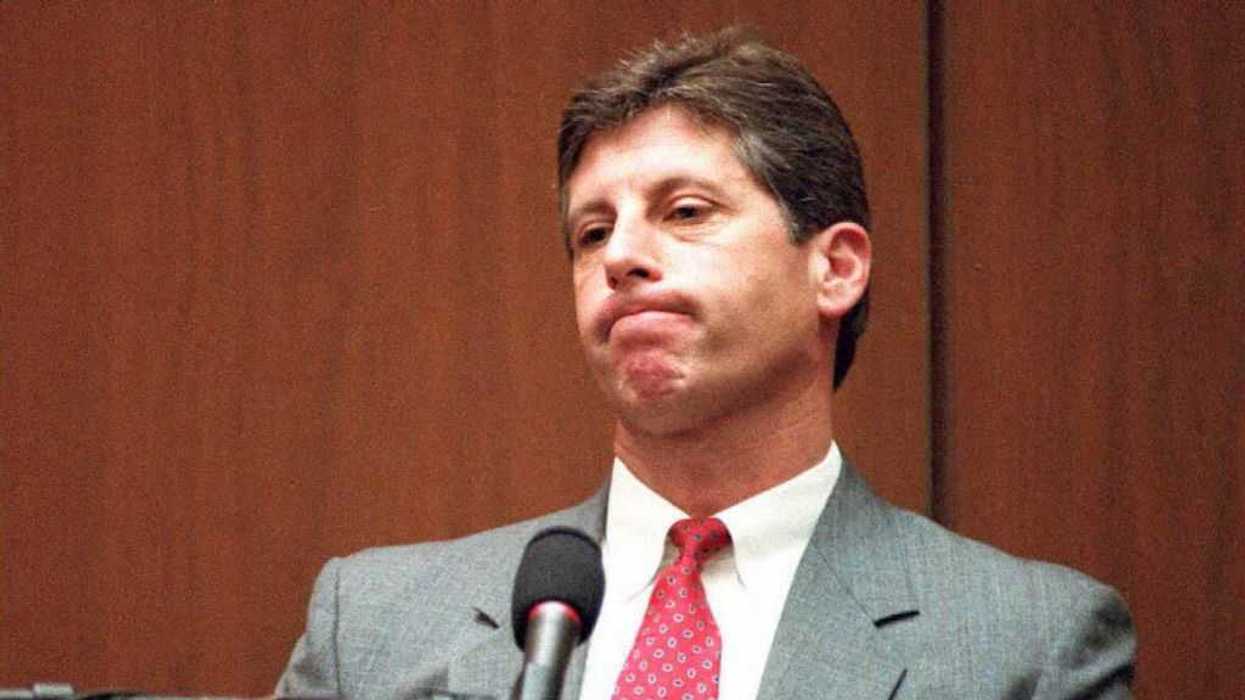 KEN LUBAS/POOL/AFP/Getty Images
In 2018, the Connecticut Supreme Court overturned Skakel’s conviction, ruling that his attorney had failed to present alibi evidence effectively. In 2020, a state prosecutor announced that Skakel would not be retried, and the murder charge was dropped.
Skakel then sued the prosecution, and in 2026 he is still denouncing “bold-faced lies.” The Moxley family have never wavered in their belief that Michael Skakel killed Martha, much as the Goldman family never wavered about O.J. Simpson.
In 1997, a jury found Simpson liable in a civil wrongful-death case. In 2007, a federal judge awarded the Goldman family rights to “If I Did It” to help satisfy the $38 million judgment against Simpson. Simpson died in 2024 at 76.
The Moxley case led Fuhrman to ask whether America has “two systems of justice in this country, one for the rich and another for the rest of us.” The same question hovered over the Simpson case.
Mark Fuhrman can rest in peace knowing he was more right than wrong.