Donald Meyerson
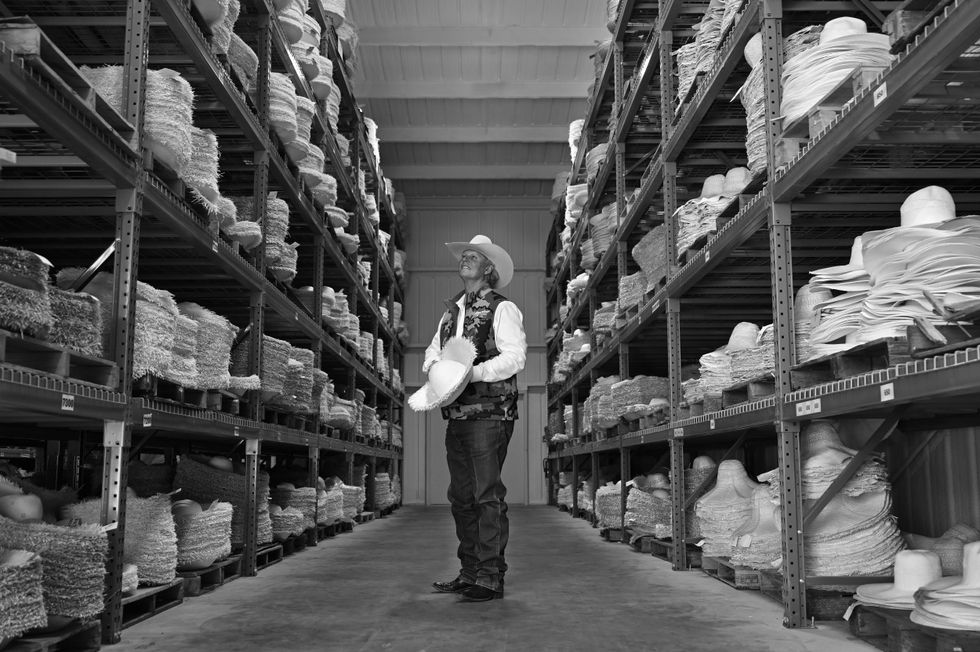
Founded in 1915 in Houston, American Hat Company has long been linked to Fort Worth, a city whose identity is braided tightly with rodeo, cattle, and a certain unteachable brand of Western self-possession. But the company’s true center of gravity sits farther north—in Bowie, Texas. That is where its factory foundations lie. That is where its hats are made, not mythologized.
Bowie does not posture. It understands repetition, precision, and the value of getting something exactly right. That temperament runs throughout the factory floor, where hatmaking remains a physical craft guided as much by touch and instinct as by measurement.
 Donald Meyerson
Bowie itself reinforces the philosophy. The town’s relationship to manufacturing is direct and unsentimental. Work is not romanticized. It is executed. Within that atmosphere, American Hat has remained anchored to a clear sense of purpose. The factory does not chase novelty. It concerns itself with the next hat on the bench.
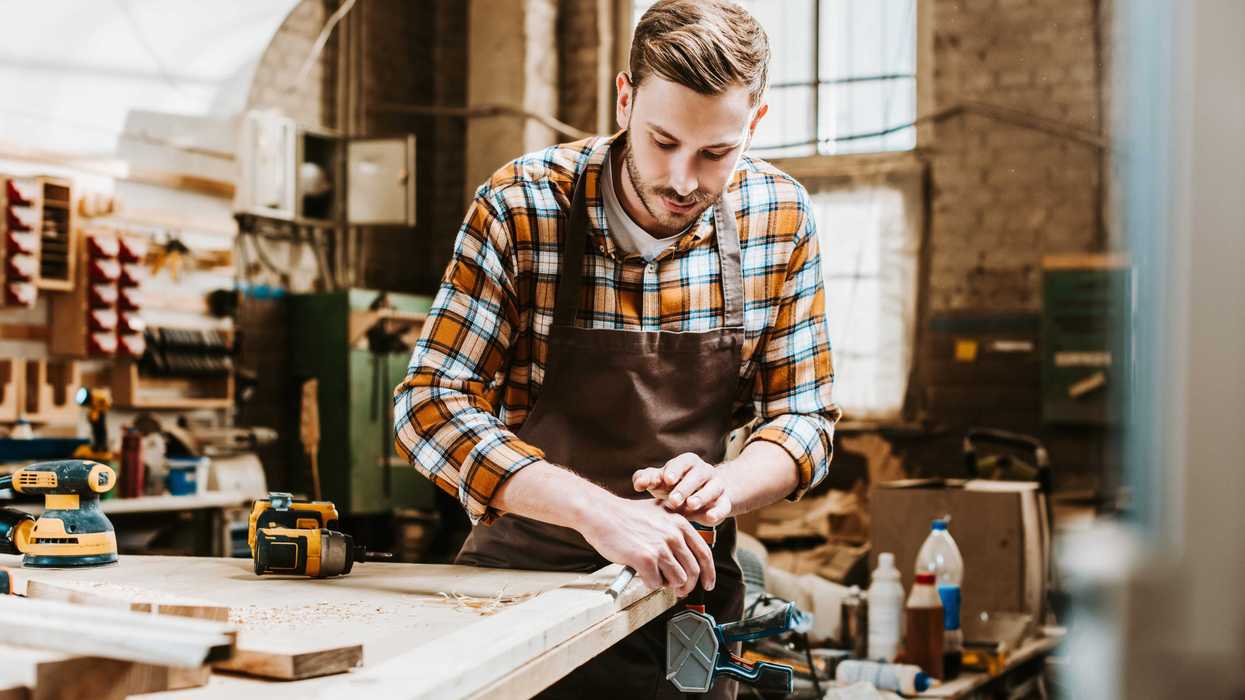
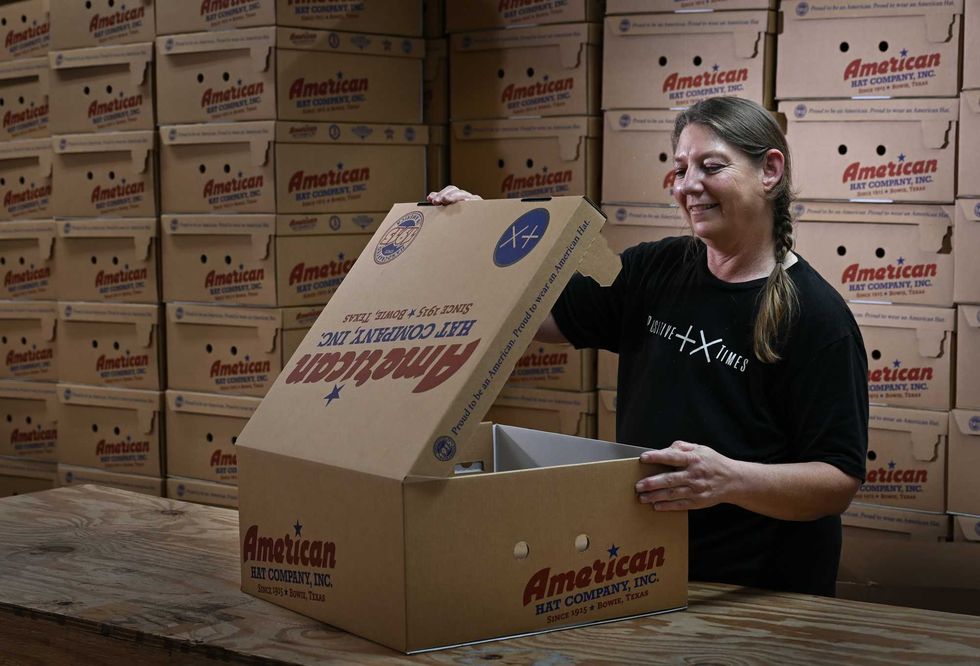 Handmade craftsmanship is a prerequisite on the factory floor.Donald Meyerson
Felt hats begin with carefully selected fur, processed and refined until the material carries the proper balance of resilience and grace. Straw hats are woven tight enough to survive summers that would expose any weakness. Crowns are blocked by hand, brims cut, shaped, and finished by workers whose judgment has been earned the slow way—in years, not manuals. Machines assist. Hands decide. Much of the work depends on feel, the kind of knowledge that cannot be rushed and rarely announces itself. It is passed along quietly, through demonstration and correction, until it becomes second nature.
This discipline has defined American Hat Company across generations. The company has resisted the modern urge to become many things at once: it only makes hats, century after century.
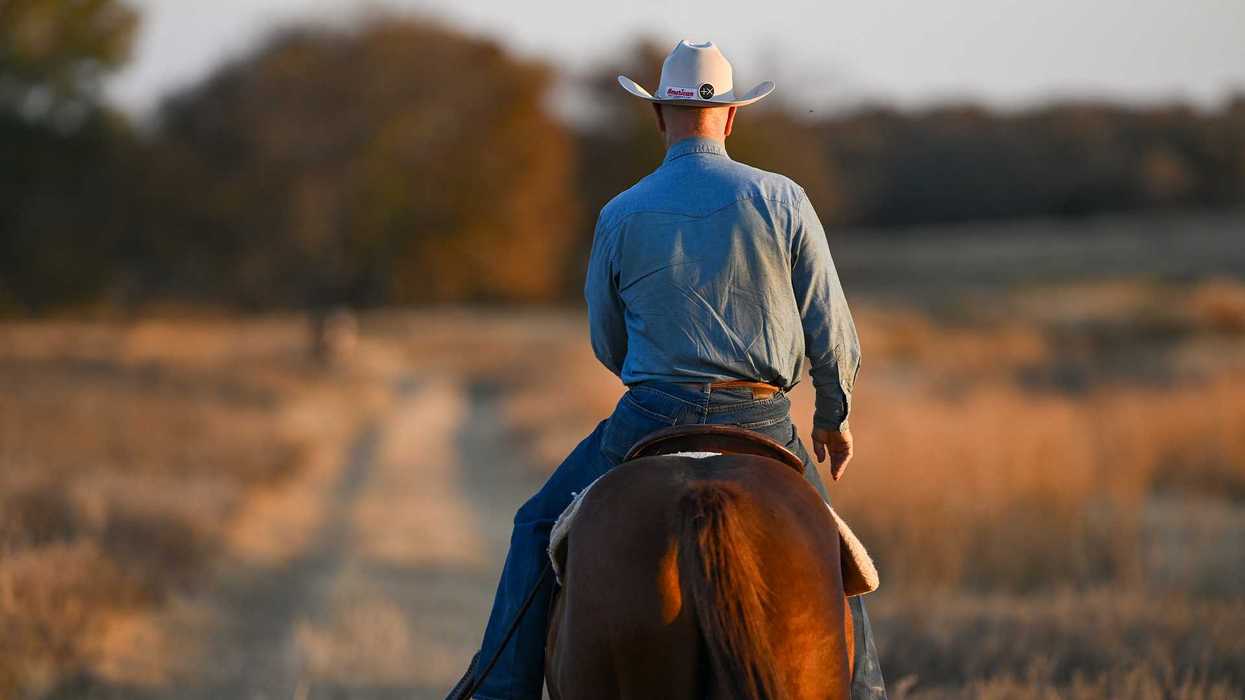
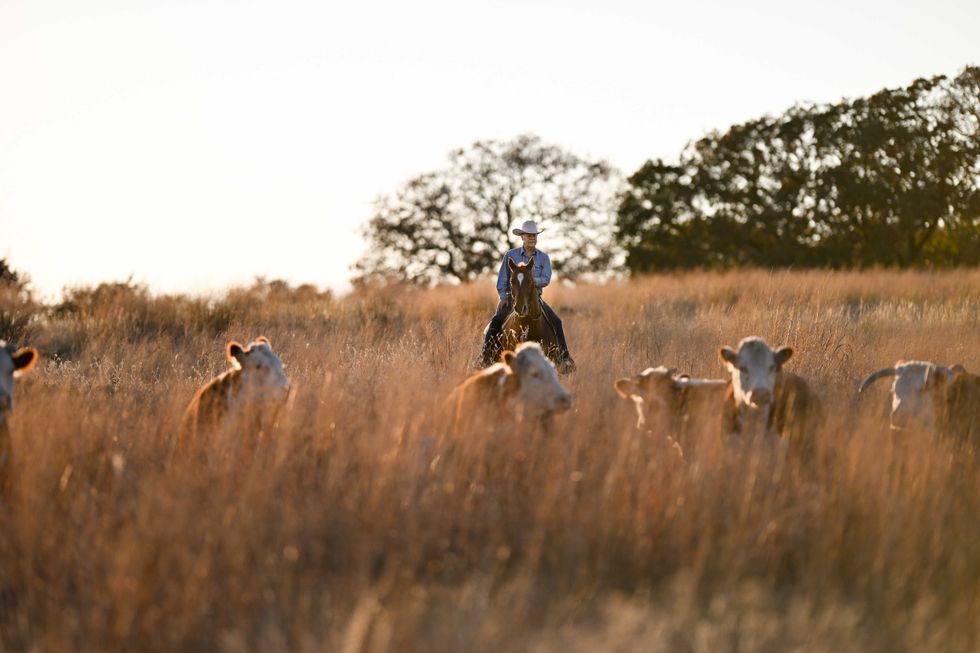 The hats are equally at home on the heads of real cowboys or urban cowboys.Donald Meyerson
Nowhere is the authority summoned by that deep focus clearer than at the rodeo. Walk behind the chutes at any major event, and you will notice a revealing uniformity. Felt hats marked by long seasons. Sweat-darkened bands. Brims shaped by weather, miles, and hard use. These are not decorative flourishes. They are working equipment. When a rider wins, the buckle the lashes. The hat remains steady, doing what it has always done.
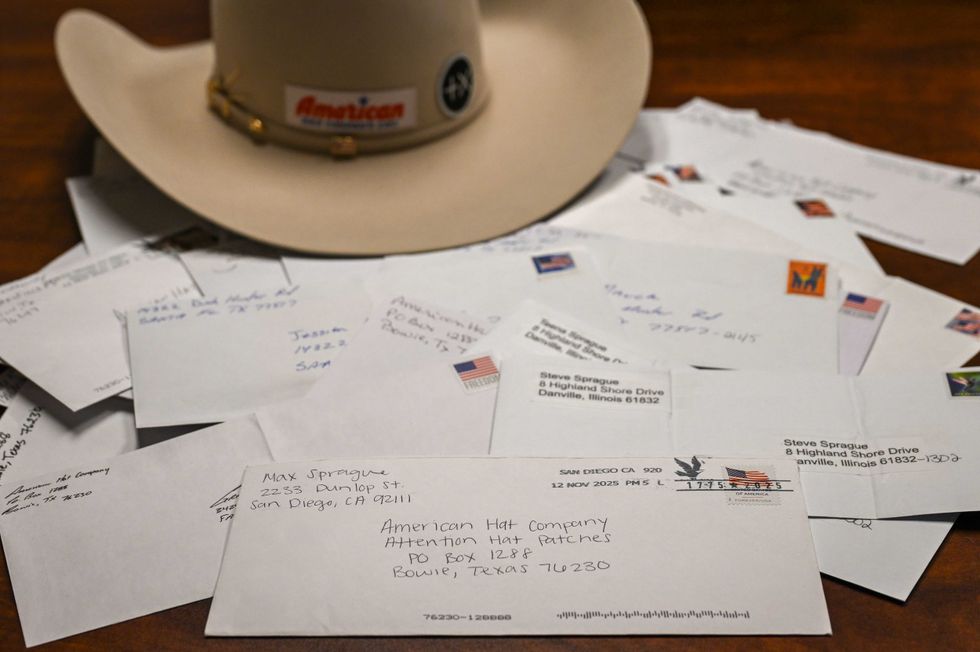 Requests for patches. Donald Meyerson
Beyond the arena, the logic holds. Ranchers, oil-field crews, builders, surveyors, landmen—people whose days are measured by heat, wind, and distance—wear American Hat Company for reasons that have little to do with fashion and everything to do with performance. The hats hold their shape. They stay put. They provide shade where shade is a precious commodity. Over time, they acquire the familiarity of well-made boots or a trusted saddle.
That continuity has been reinforced under Keith Mundee’s leadership. Investment has gone where it matters: the factory, the workforce, the preservation of processes that cannot be recovered once abandoned. Over tacos at Spicy Mexico, he laid out how the commitment to quality endures. “We’re always looking for a better way to do something. But the old-school way, a lot of times, comes with hat-making; the old-school way is the better way,” he explains. The objective has been consistency—not trend-chasing, not brand theatrics, but the maintenance of a reputation built the hard way.
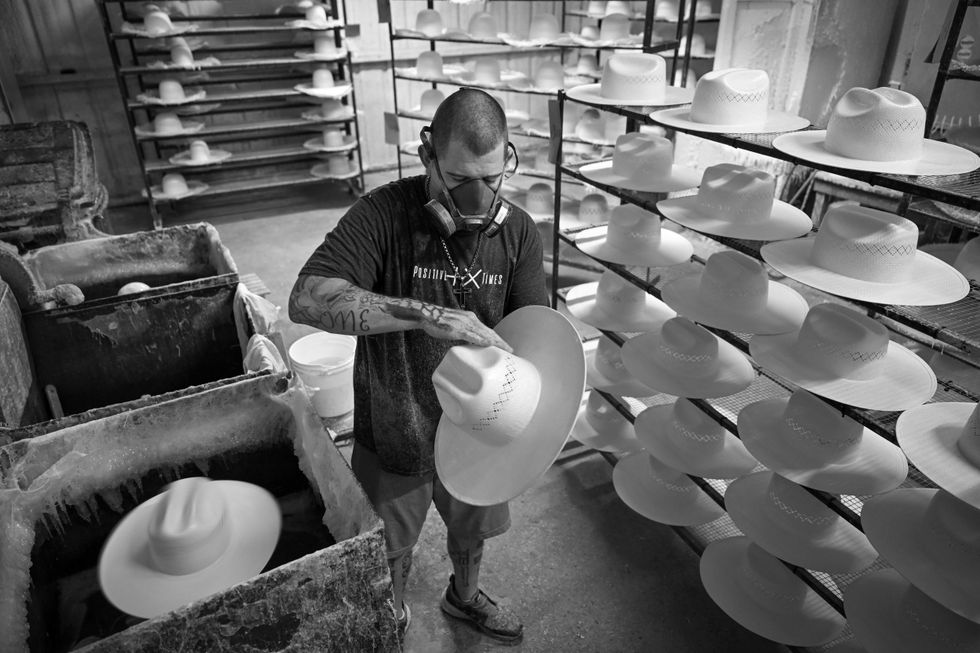 Applying the laquer is a grueling process that produces a hat ready for the Texas heat.Donald Meyerson
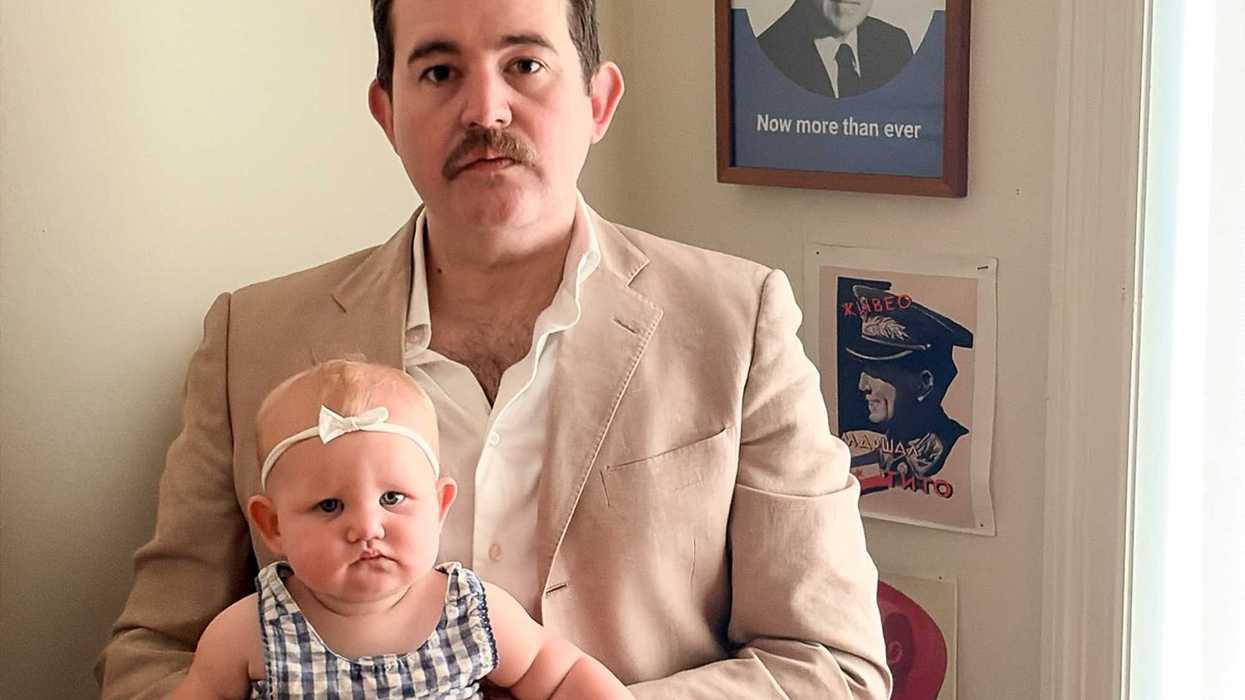
Mr. Mundee took over from Keith Maddox, known as the “Hat King,” who passed away in 2019. The man’s presence and infectious smile still live on the factory floor and in the company’s ethos. His motto, “+X,” or “Positive Times,” a philosophy rooted in seeing the good in every person and situation, is found throughout the factory, and the symbol adorns many hats. Maddox’s widow Susan believed that, to honor his legacy, the company had to continue the commitment to quality. “Money’s important,” says Mundee, “but money’s not the most important thing. Keith Maddox believed, and Susan Maddox is currently adamant, that our goal is to make the best hat in the world.” This belief produces more than a product; the hats become an heirloom. “In my world, a hat means something. It stands for something. I have five grandkids, and each of their names is inside mine. On one side it reads ‘Made especially for Keith Mundee.’ On the other are their names and birthdays. When I die and go on to heaven, they’ll have those hats, and a handful of pictures of me sitting with them over the years, each of us wearing one,” Mundee explains while driving back to the factory.
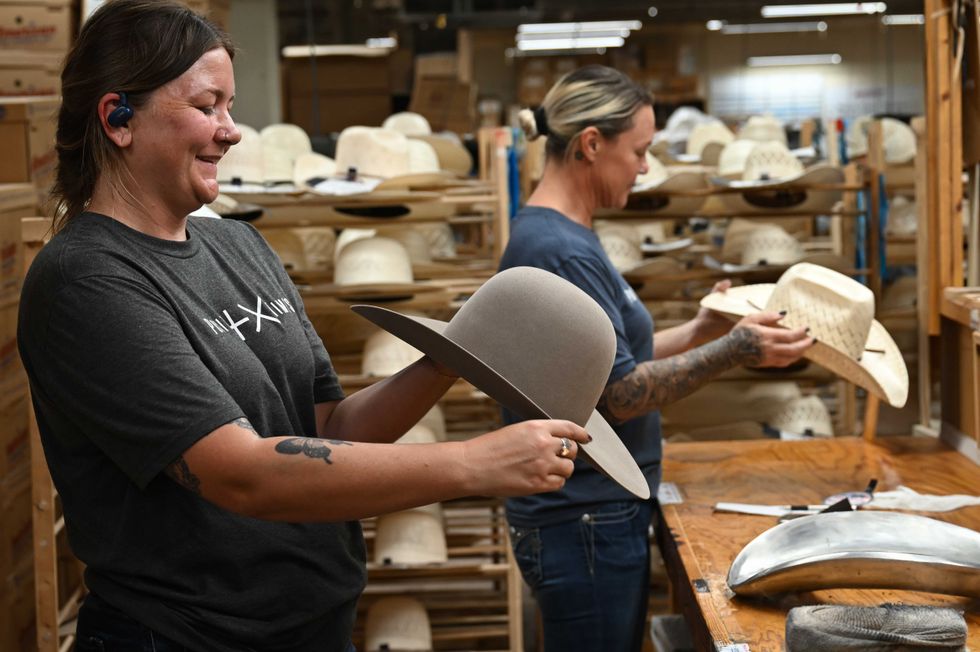 Most of the work is done by the skilled hands of artisans.Donald Meyerson
Although American Hat’s profile has widened, that internal rhythm has remained unchanged. The company’s association with film and TV western auteur Taylor Sheridan introduced the brand to audiences far beyond its traditional base, yet little about the product has shifted. Sheridan’s worlds are built on credibility, where details either ring true or collapse under scrutiny. The hats that appear on screen reflect that demand. The hats work. They fit. They last. The attention feels less like a broader audience discovering something Texans have relied upon for decades.
Meanwhile, in Bowie, the work continues. Hatmakers are trained patiently. Materials are handled with care. Production moves at the pace the craft requires. Quality here is not hurried. It is carefully constructed.
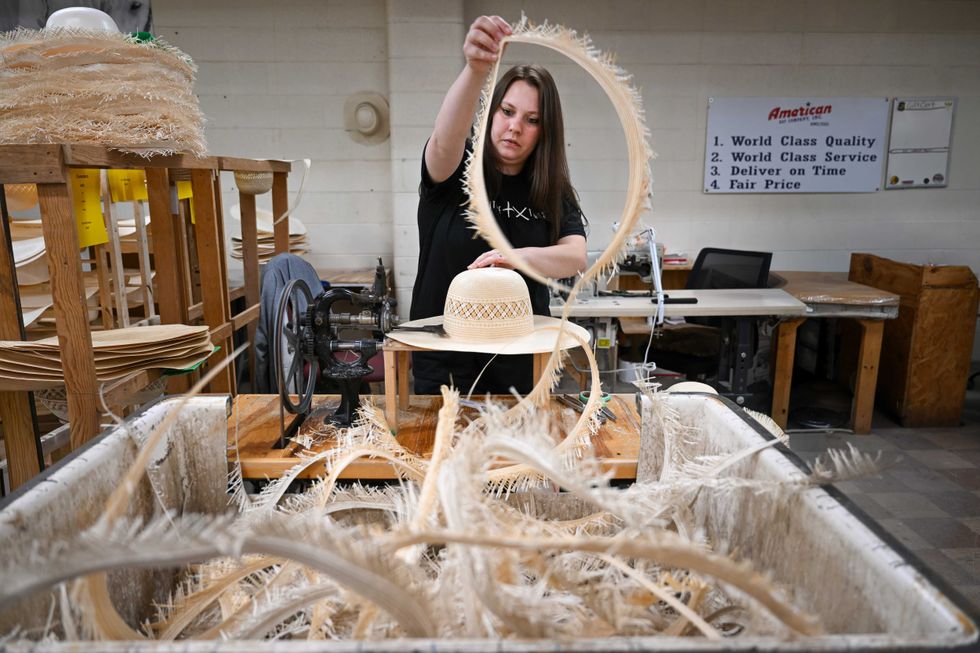 Poetry in motion.Donald Meyerson
That method also shapes the economics. American Hat Company occupies a higher tier because it earns it. The materials, labor, and time involved do not permit shortcuts disguised as efficiencies. Buyers understand this quickly. A well-made hat offers a particular kind of confidence: it holds form, looks right, and spreads its cost across time as fleeting trends come and go.
In a moment when many goods are designed for replacement, American Hat Company still operates on an older premise. A hat is meant to remain. It can be cleaned, reshaped, repaired, and worn again. It gathers character instead of obsolescence. That expectation informs everything from raw material selection to final inspection.
Taken together, American Hat Company stands as a reminder of a distinctly American model of manufacturing. Focus. Mastery. Continuity. Do one thing. Do it exceptionally well. Teach others to do the same. It is the result of a century spent understanding exactly how a hat should feel, how it should wear, and how long it should last.
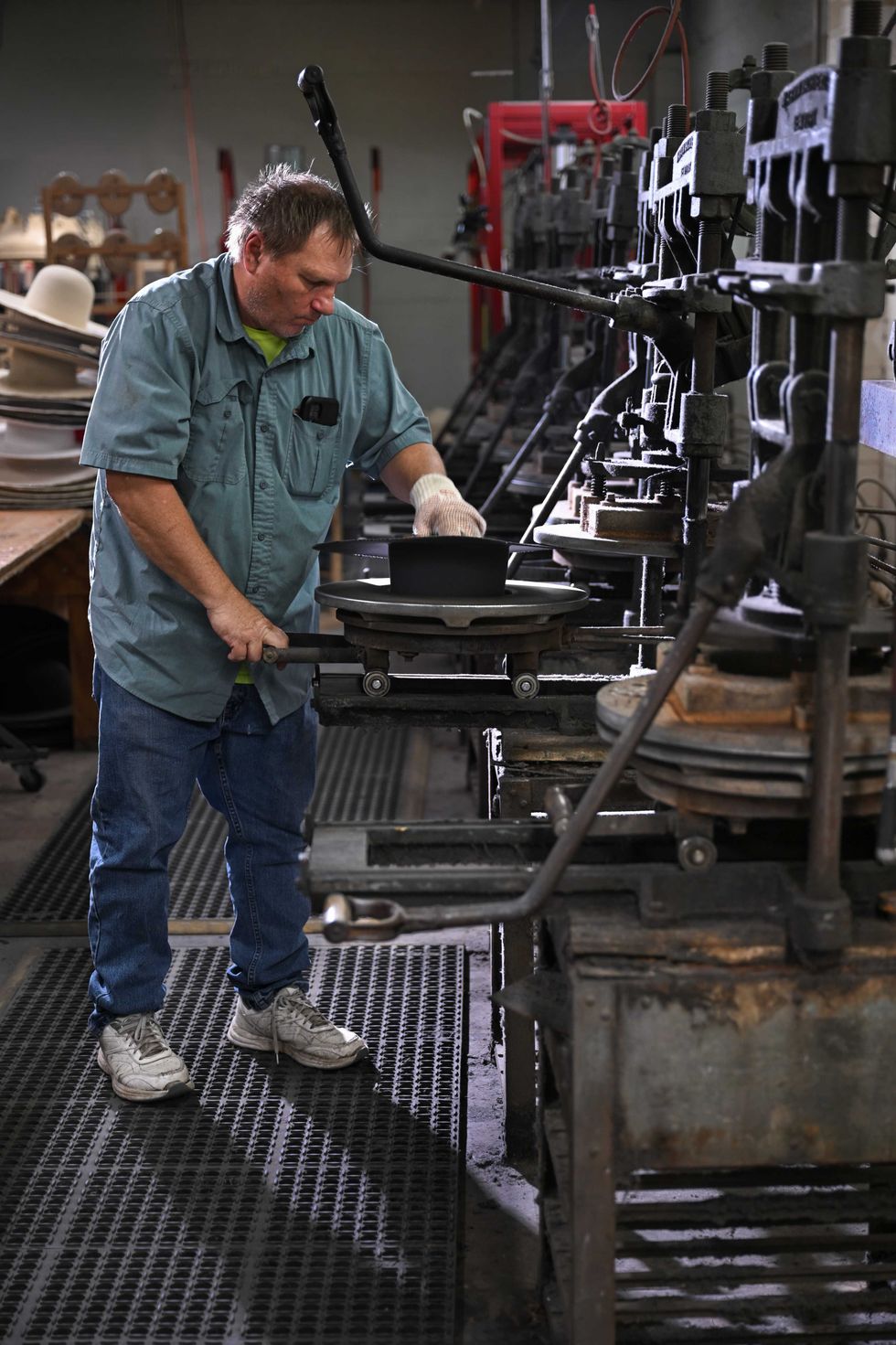 Many of the machines date back to the 1920s.Donald Meyerson