Soumyabrata Roy/NurPhoto/Getty Images
In the same week that a potential New World screwworm outbreak threatens Texas cattle, prompting a major response from the Department of Agriculture, Google has become the object of public ire as it attempts to move forward with a new mosquito experiment in a couple of states across the country.
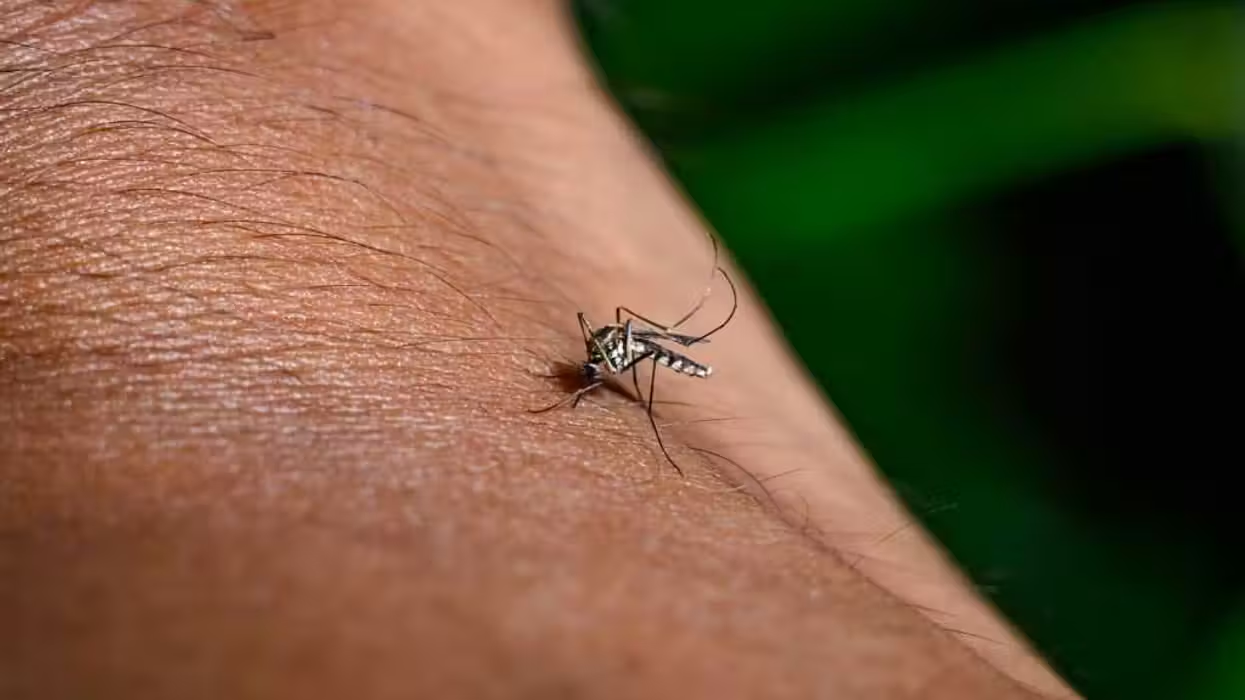
As part of the project to "stop bad bugs with good bugs," Google's Debug program aims to release millions of sterile mosquitoes in order to combat and eradicate disease-carrying mosquitoes, the "deadliest animal on the planet."
'We do not consent to this experiment. Do not release the modified mosquitoes in our State.'
While the thought of fighting mosquitoes by releasing millions more mosquitoes may seem counterintuitive, the Sterile Insect Technique, as it is called, has proven effective in other bug species, including the aforementioned screwworm.
A singular species of mosquito, the Aedes aegypti, is responsible for most of the cases of diseases like dengue, Zika, yellow fever, and chikungunya. The program seeks to target this particular species in the hopes of drastically reducing the population of disease-carrying mosquitoes.
RELATED: Flesh-eating parasite found in Texas cattle has USDA on high alert
 Michael Rakim/Washington Post/Getty Images
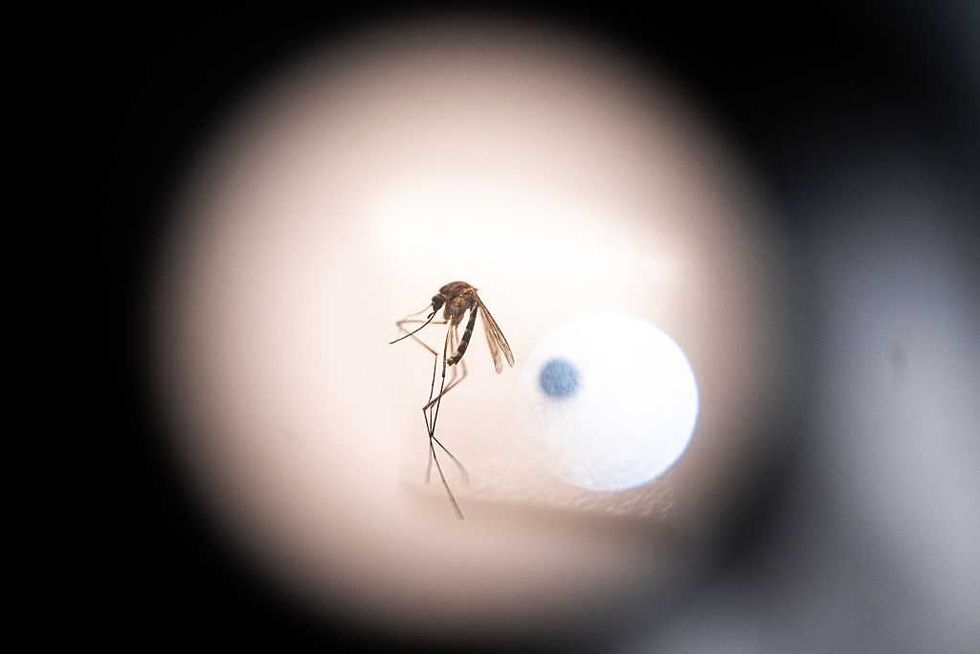
The technique is simple: Scientists will infect male mosquitoes, which cannot bite, with a naturally occurring bacteria called Wolbachia. The infection makes it impossible for the male mosquitoes to breed with wild female mosquitoes, though they will still seek them out and attempt to mate. The female will still lay eggs, but they will not hatch.
Scientists believe that this will cause a generational decline in this species of mosquito, thus reducing the risk of disease spreading to humans.
Google also says that this is more effective than spraying pesticides because the male mosquitoes can find them "in places that pesticides could never reach." They are also building technology and monitoring systems to more efficiently target the invasive populations.
Google's plan, however, has been met with significant pushback from the public during its approval process with the Environmental Protection Agency, particularly this week.
Google filed an experimental use permit application dated from December 2025 for permission to use the Wolbachia bacteria in male mosquitoes. This particular application seeks a trial period of two years in Florida and California. Google would release 16 million sterile mosquitoes infected with the bacteria into each state in year one, and 16 million more mosquitoes in each state in year two.
This particular application targets the species Culex quinquefasciatus, as opposed to Aedes aegypti, the species identified on the Debug website. It is important to note that Aedes aegypti is targeted in Debug's international projects, while the domestic work in America targets different species.
The EPA published a notice in early May after deeming the application to have "regional and national significance." The deadline for submitting a public comment is Friday. Readers can submit a comment to the EPA here.
The public has taken notice as hundreds of comments have flooded in the days and weeks leading up to the deadline. The comments have been overwhelmingly negative, with some begging to stop Google from moving forward.
"We do not consent to this experiment. Do not release the modified mosquitoes in our State," one anonymous commenter said.
"I am vehemently opposed to any tech corporation releasing any mosquitoes in Florida or California, this is not to be taken lightly. This is not without serious possible consequences, and should not be done by [a] huge corporation, without consent and prior knowledge of the populations most affected. This is Frankenscience!!" another commenter said.
"I believe allowing corporations to recklessly tamper with my local Florida ecosystem (lifelong Floridian) is dangerous and frankly unconstitutional. This decision has not been put forth to the residents of Florida and California, and will be done against our wills. I urge the EPA to reject this proposal and create regulations banning corporations from doing similar actions in the future. Thank you," a third commenter wrote.
As of this writing, this federal register filing received 377 comments. A similar application from Google targeting a different species with the same bacteria and whose public comment period closed on May 20 received only six comments.
This second application seeks approval for use in California, Florida, and New Jersey as well.
Debug announced last month that it expanded its research and development operation to Singapore in the first international expansion of the program's capabilities.
Both federal register applications are awaiting EPA approval.
Like Blaze News? Bypass the censors, sign up for our newsletters, and get stories like this direct to your inbox. Sign up here!