Michael Nagle/Bloomberg via Getty Images
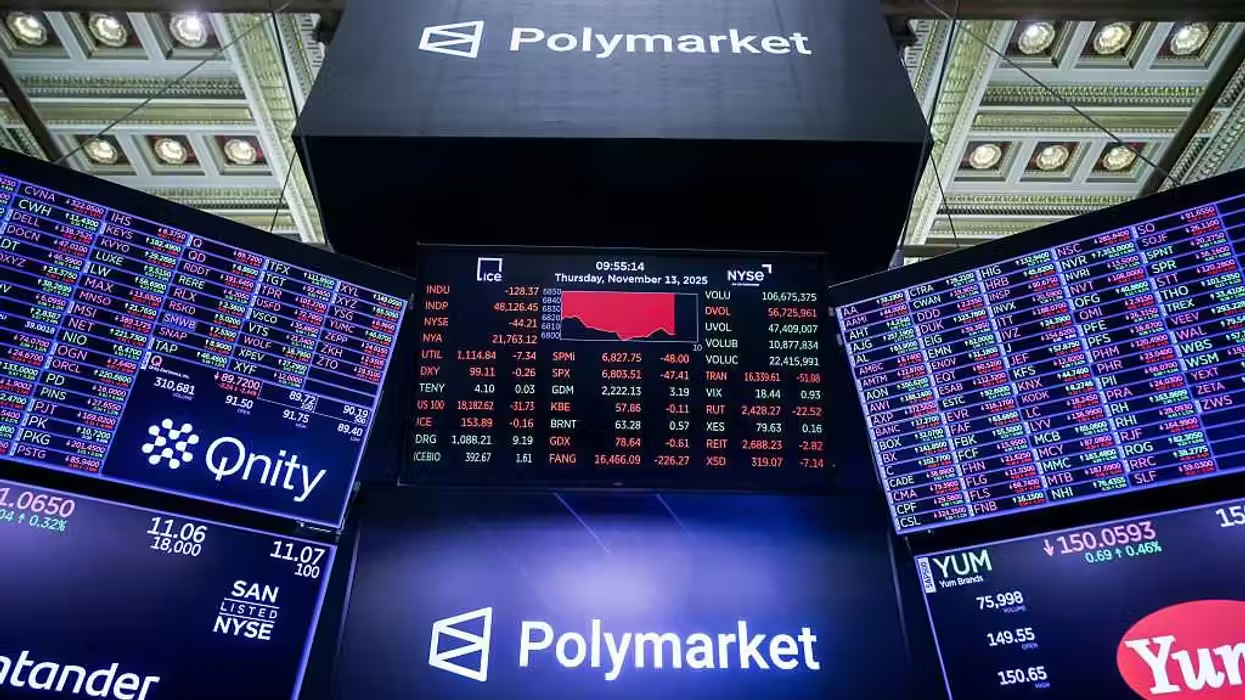
The two major prediction market companies, Kalshi and Polymarket, have determined that they will use what amounts to online betting and rehypothecation schemes to eventually financialize “every difference of opinion” — and both platforms started giving out free groceries in New York City to keep any PR issues at bay. Believe it or not, most bettors lose money.
The sequence of events is remarkable. Kalshi, founded in 2018, came into being first. Polymarket didn’t get started until 2020 but got into operations immediately and grabbed huge market share before Kalshi could get off the ground. Polymarket didn’t have any government authorization to operate but worked the margins and caught attention. The Commodities Futures Trading Commission fined Polymarket and set the company on the overseas sidelines for four years. In the meantime, Kalshi formed quickly and launched in 2021. Jump to 2025, and Polymarket acquired a U.S.-based previously licensed exchange, putting it back in the game.
If it sounds a lot like gambling, that’s because it is a lot like gambling.
Now both companies are mushrooming in value, intent on financializing everything heretofore not yet saleable. Like opinions and politics. Like famous relationship outcomes. And war.
It’s hard to keep perfect track, but Kalshi is currently facing something close to 20 federal lawsuits. Meanwhile, Polymarket, among its own federal legal issues, is currently suing the state of Massachusetts. “Polymarket U.S. now faces a real and imminent risk of identical enforcement,” the lawsuit states, “exposing it to civil penalties, potential criminal liability, forced cessation of operation within Massachusetts, and severe collateral consequences to its nationwide operations.”
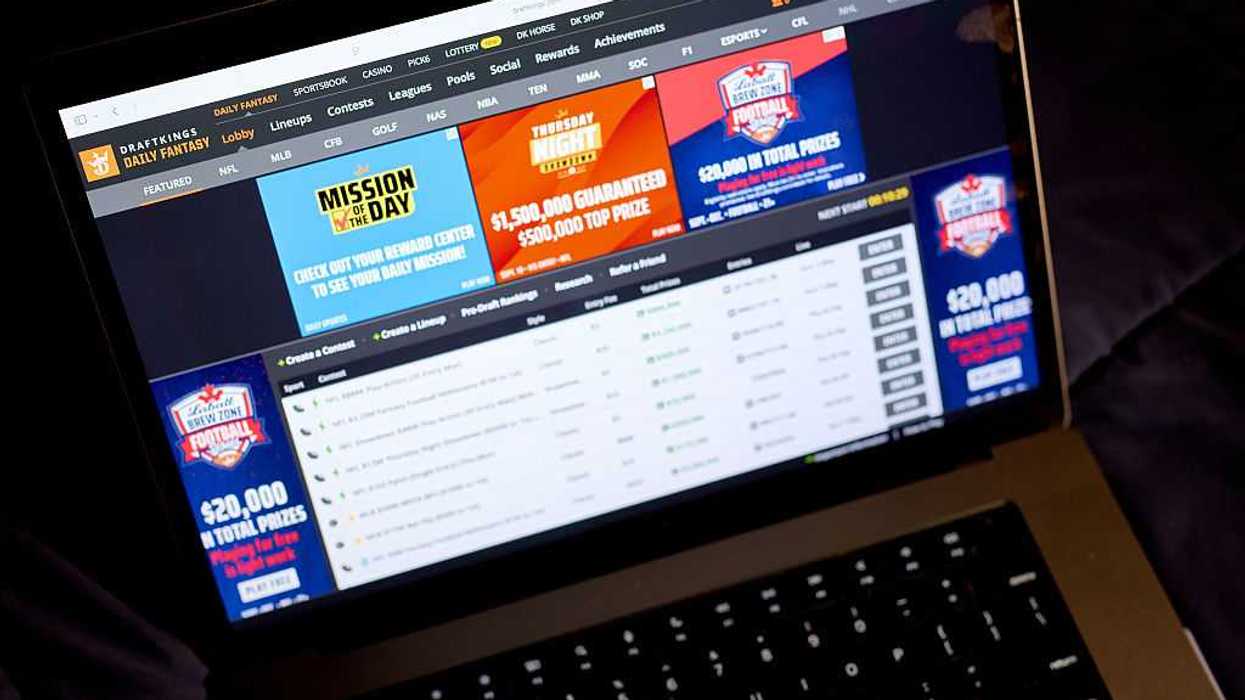
So-called prediction markets are trading platforms providing users with the options to create, buy, and sell contracts on future events. If it sounds a lot like gambling, that’s because it is a lot like gambling. The main difference so far appears to be not-so-cleverly veiled legalese and chicanery coupled with the option to place a bet — er, purchase a yes/no contract — but also to sell said financial instrument. Typically once bets are placed, they’re locked.
The capacity to sell your bet opens several of the same secondary market opportunities found in standard stock exchanges — hedging, immediate profit taking, and so forth. Essentially, you can play it like a day trader, except you’re betting on outcomes or events as varied as the winner of the Super Bowl or the likelihood of the halftime performance to involve ambulances and pack animals.
It's unclear exactly how both of these companies, ostensibly in mortal combat for the market share (estimates vary, but it's safe to say hundreds of billions of dollars), decided almost simultaneously to cover their optics issues by supplying Big Apple residents with free groceries. Isn’t that SNAP’s job? Are Gotham’s socialist politicians giving advice? Or is this an example of the inevitably messy transition from Boomer to Zoomer/Millennial domination of political and social economy operations?
RELATED: Prediction markets let you 'bet' in states where gambling is banned: Here's how
 Gabby Jones/Bloomberg via Getty Images
The free groceries will buy plenty of favor from the everyman on the street. How, though, will Kalshi or Polymarket deal with the rest of the major financial players who will want their cut?
It gets interesting, because according to Kalshi CEO Tarek Mansour, “the long-term vision is to financialize everything and create a tradeable asset out of any difference in opinion.” This sounds provocative, and it is. However, we know tokenization, digitalization, and any number of other schemes to contort the pricing mechanisms of a free society are already en route. The underlying assumptions regarding control or at least a plausibly accurate prognostication — not just seeing the future, but memeing it into being, a process dubbed hyperstition — should point observers to the potential for even worse insider trading and control schemes than those we suffer under now.
This is the sort of thing you would imagine at the very last phases of civilizational decline, of course. Wild claims of near-divine power, sweeping assaults on the old power order, and an all-out mad scramble for anything resembling monetary advantage. With liquidity always a challenge, Kalshi and Polymarket will likely continue to hemorrhage cash to cover optics until they can grease the regulatory skids and find a place at the table with current giants. Or the current giants will just buy them out. But either way, it appears that the power and danger of prediction markets are here to stay — at least for a while.