Mario Tama/Getty Images
Kamala Harris has made election integrity a big talking point ahead of the midterms. The former vice president’s latest claims of cheating raise an obvious question: Does she object to voter-roll maintenance itself, or can she identify a lawful safeguard she actually supports?
At an appearance in South Korea last week, the former vice president alleged “overt cheating” in American elections, citing voter-roll purges. In September, she accused officials of “cheating by purging voter rolls.” Over the summer, she also criticized the SAVE America Act for requiring documentary proof of citizenship when registering to vote in federal elections.
Harris can keep calling voter-roll purges ‘cheating.’ But California’s unanswered questions and New Jersey’s documented registration failure demand more than talking points.
Harris wants to turn basic election safeguards into the boogeyman of election administration. But isn’t the point to ensure that only American citizens vote in our elections?
Election officials must not improperly remove eligible voters. They also have an obligation to identify ineligible registrations. Harris talks about purges without making that distinction. Americans deserve to know which safeguards she opposes and why.
Start with California, Harris’ home state. On Monday, the Justice Department charged 28 lawful permanent residents with federal election-related offenses, including fraudulent registration and illegal voting. Eleven were arrested. The charges are allegations, not convictions, but the cases warrant serious attention.
Federal prosecutors say all 28 appeared on a list of more than 20,000 people the government believes are likely noncitizens registered in California. The Justice Department and Department of Homeland Security sued the state on October 15, seeking to stop ballots attributed to people on that list from being counted until their citizenship is verified.
Governor Gavin Newsom (D) called the lawsuit an attempt to “suppress California voters.” The state should be able to show how it verifies eligibility and corrects its rolls.
It cannot. A separate public records response exposes an accounting problem: California’s statewide voter-registration system “does not contain a voter status reason for cancellation due to non-citizenship.” The state could not provide a count of registrations canceled for that specific reason. Why not?
New Jersey supplies an even clearer example of why verification cannot be an afterthought. In July, Governor Mikie Sherrill (D) acknowledged that a “serious software error” had registered approximately 6,600 people who answered “no” when asked whether they were U.S. citizens during motor vehicle transactions. The “error” occurred between June 2023 and June 2024.
RELATED: California makes ‘massive concession’ in lawsuit over 20,000 'likely noncitizen' voters, DOJ says
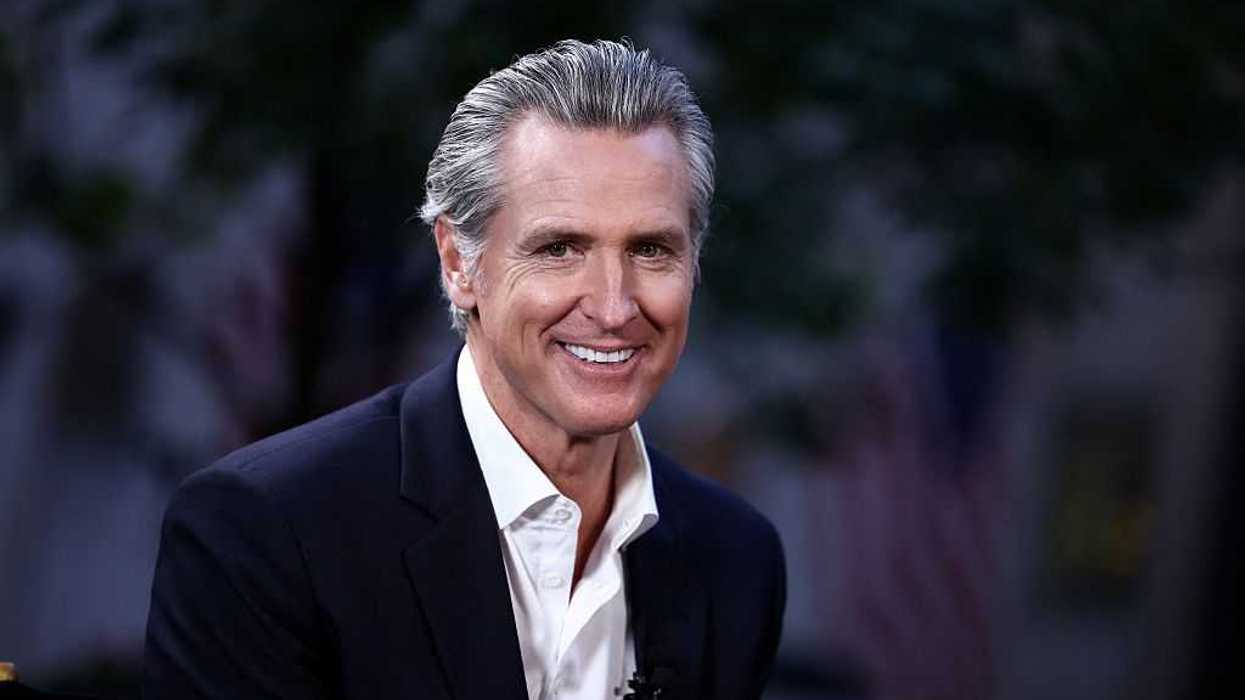 CHARLY TRIBALLEAU/AFP/Getty Images
A subsequent state accounting found that about 340 newly registered people had actually voted. New Jersey claims it has no evidence that those votes changed an election result. That does not excuse a system that registered people after they expressly declined to attest to citizenship.
At a House Judiciary hearing in September, I noted that at least three New Jersey elections in 2025 were decided by a single vote or ended in a tie. When a race is that close, election officials cannot shrug off registration errors.
New Jersey voters understand the stakes. A Rutgers-Eagleton poll released this month found that 82% of state residents support requiring photo ID to vote in person, while 71% favor documentary proof of U.S. citizenship to register.
Even Sherrill has expressed support for voter ID. That requirement establishes identity; proof of citizenship establishes eligibility. They serve different purposes, and neither question should be brushed aside with a slogan about voter suppression.
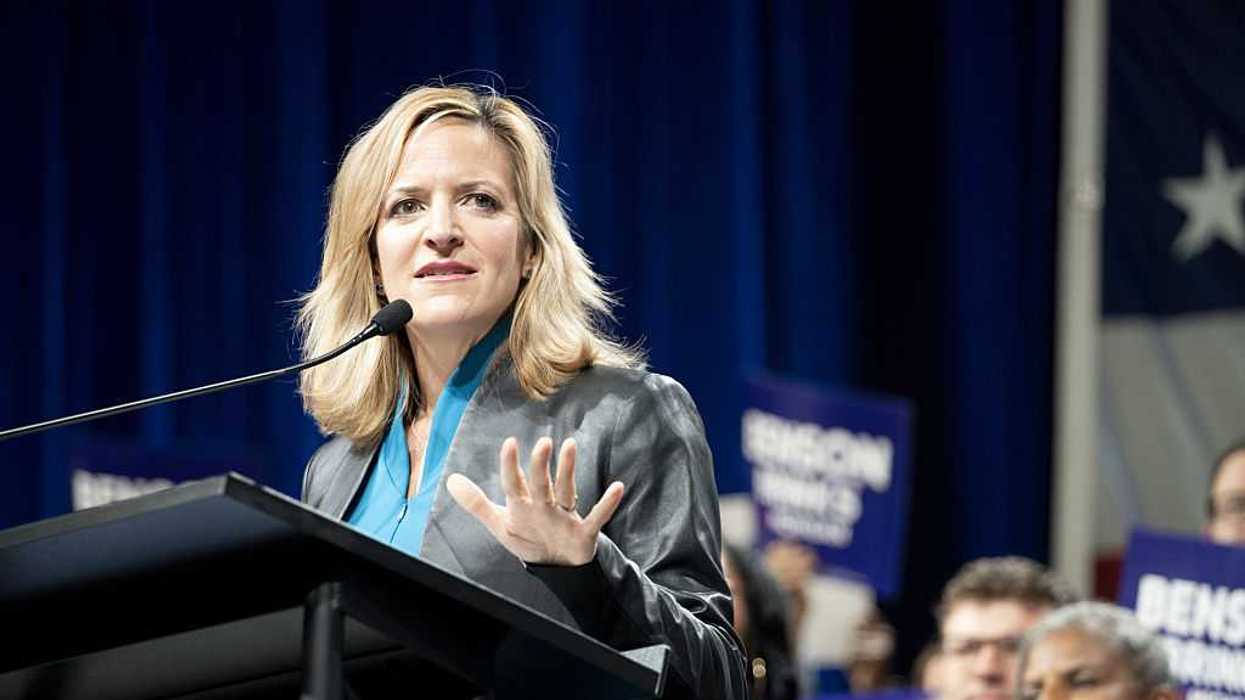 Katie McTiernan/Anadolu/Getty Images
Minnesota has its own lesson in the need for clear rules. Governor Tim Walz (D) signed a 2023 law that lets residents get standard driver’s licenses without proving lawful immigration status. During an October 2025 legislative hearing, state Rep. Patti Anderson (R) pressed state elections director Paul Linnell on whether those licenses could be used as voter identification. He failed to give a direct yes-or-no answer.
Minnesota does permit a driver’s license as proof of residence for Election Day registration. Citizenship eligibility is a separate requirement. Election officials should be able to explain the distinction simply, especially when lawmakers ask about vulnerabilities.
Accurate voter rolls, citizenship verification, and clear identity rules protect the votes of eligible Americans. Officials should explain how those safeguards work and correct failures when they find them.
Harris can keep calling voter-roll purges “cheating.” But California’s unanswered questions and New Jersey’s documented registration failure demand more than talking points. If she believes these safeguards are improper, she should explain which ones — and what she would do instead.