iStock/Getty Images
Last month, another family requested I play "It Is Well with My Soul" for their loved one’s funeral.
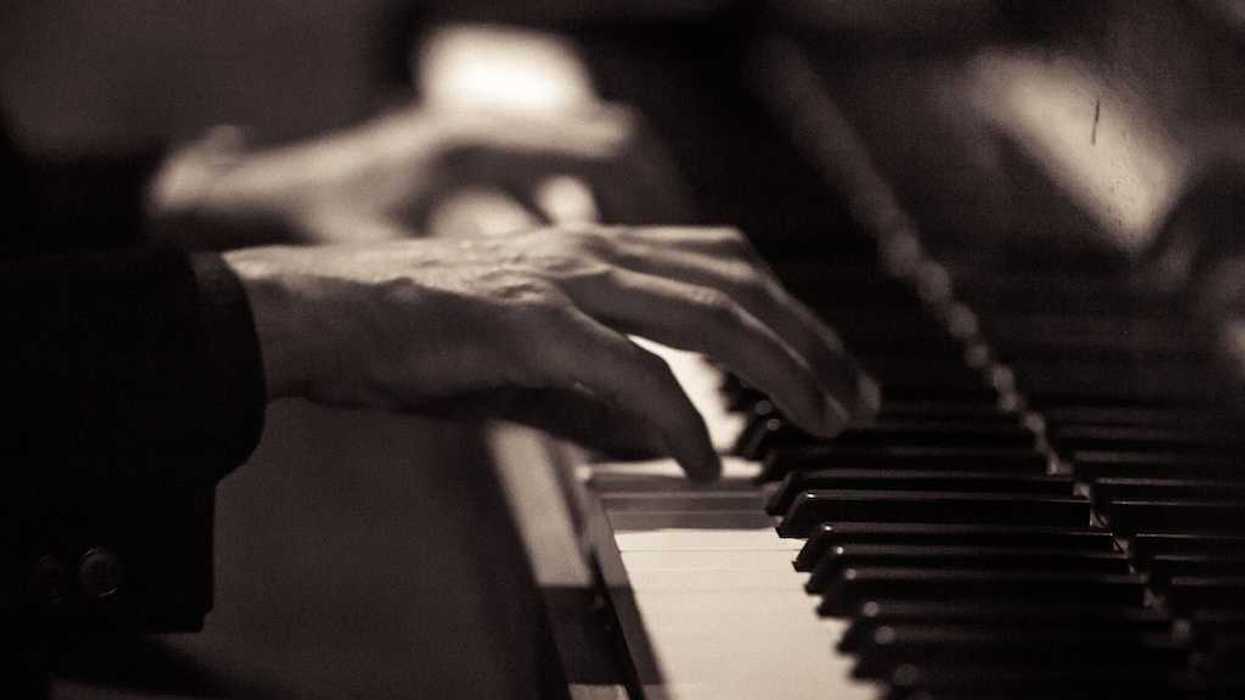
After nearly 50 years of playing the piano for funeral services, I've lost count of how many times I've played that hymn.
The sorrows like sea billows are a given. They arrive for all of us eventually. The question is not whether suffering comes. The question is what we have been taught to do when it arrives.
Those years at the piano have provided an unusual vantage point. Most people attending a funeral spend the service looking toward the front of the sanctuary or chapel. They see the pastor, the flowers, the family, and the casket. Sitting at the piano, however, I've spent much of my life looking in the opposite direction.
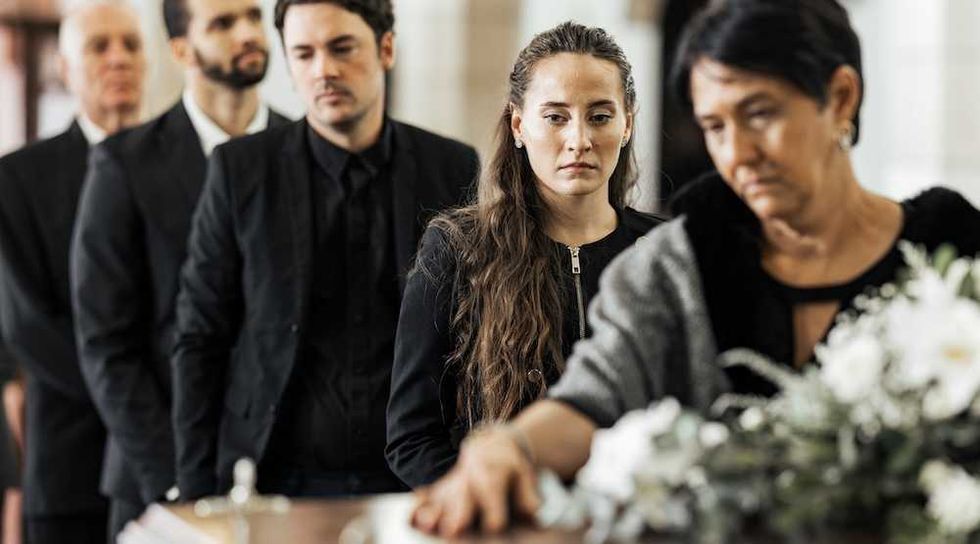
I see the faces. I've watched businessmen, ranchers, physicians, pastors, politicians, mechanics, celebrities, schoolteachers, and grieving children. I've seen estranged family members share a pew for an hour. I've seen old wounds temporarily set aside. I've watched tears fall from people who spent a lifetime convincing the world they didn't cry.
It's hard to lie during a funeral service. The face and eyes give it away.
For a brief moment, the distractions of life are suspended in the face of death. Everyone in the room is confronted with the same reality: Life is fragile, time is limited, and something had the final word over a life that may have loomed very large only days before.
When I offer to help select the music, I often ask the family’s favorite hymn. “It Is Well with My Soul” almost invariably stands out.
This year marks 150 years since Philip Bliss set Horatio Spafford's words to music. Ever since, grieving families have continued reaching for that hymn.
After hearing it and performing it for a lifetime, I've become convinced that something happens in the fifth measure where the word "sorrows" lands on the first minor chord of the hymn.
I leave room for that chord.
When I play the hymn, I take my time. I've had music ministers try to conduct me faster through it. I politely ignore them. Grief does not benefit from haste.
Not because I am trying to showcase the music, but because I have watched what happens in the room when people hear it. Heads lower. Shoulders sag. Eyes fill with tears. In that moment, the hymn permits grieving people to tell the truth.
The sea billows are rolling.
RELATED: What we lose when we rush past pain
 iStock/Getty Images
Sometimes, when I invite the congregation to sing, I watch people exhale. Some simply mouth the words. Others sing through tears. Some stand motionless and stare straight ahead. I've watched grieving fathers, mothers, and spouses raise their hands heavenward as tears run down their faces.
Occasionally, I stop playing altogether on the last chorus and let the congregation carry the hymn themselves. There is something profound about hearing a room full of grieving people give collective grief a collective voice.
The hymn was written from within great sorrow. It never hurries people through it. It doesn't offer clichés or pretend pain isn't pain.
It acknowledges sorrow while refusing to grant it the final word.
Then comes the line that has occupied my thoughts more than any other: “Whatever my lot, Thou hast taught me to say ...”
Taught me.
The sorrows like sea billows are a given. They arrive for all of us eventually. The question is not whether suffering comes. The question is what we have been taught to do when it arrives.
What do we reach for when things around us feel so unsteady?
I've played this hymn for people who sang it with confidence and for people who could barely get the words out. I've watched some sing it as testimony and others sing it as prayer. Some seemed to embody it. Others seemed to aspire to it.
Yet, the requests keep arriving.
After nearly 50 years at the piano bench, I've never lost my sense of wonder at what happens when a room full of grieving people stand together and sing: It is well with my soul.