ALEX WROBLEWSKI/AFP/Getty Images
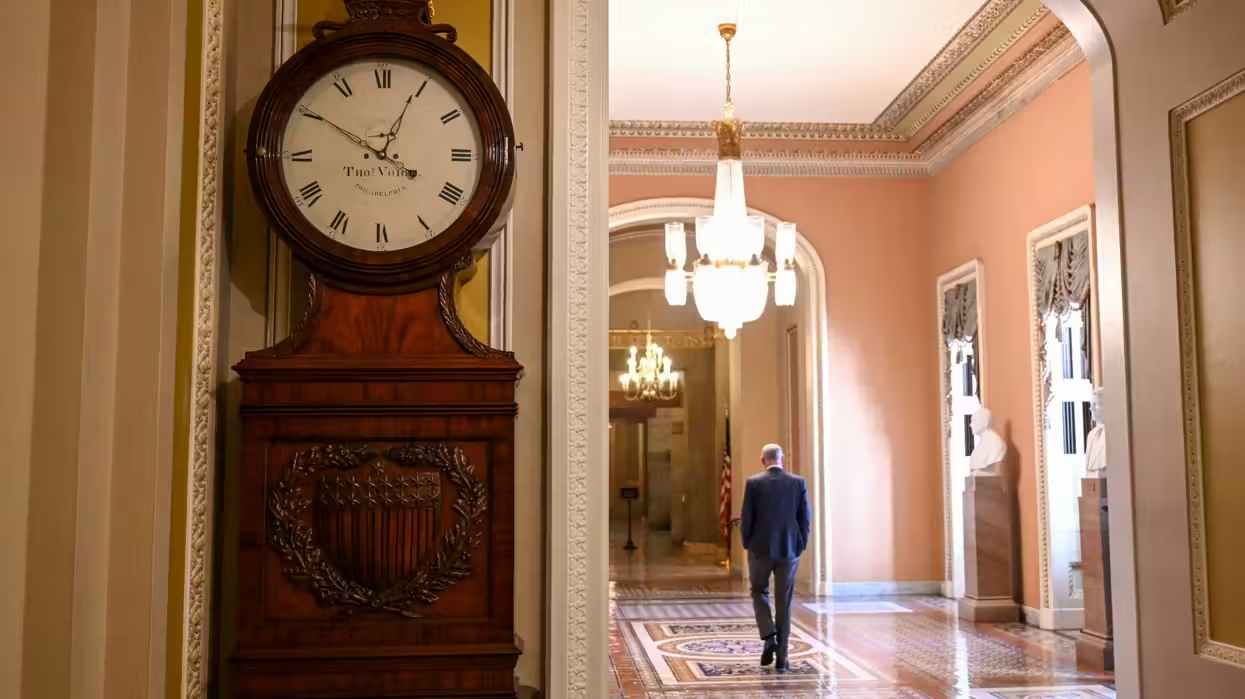
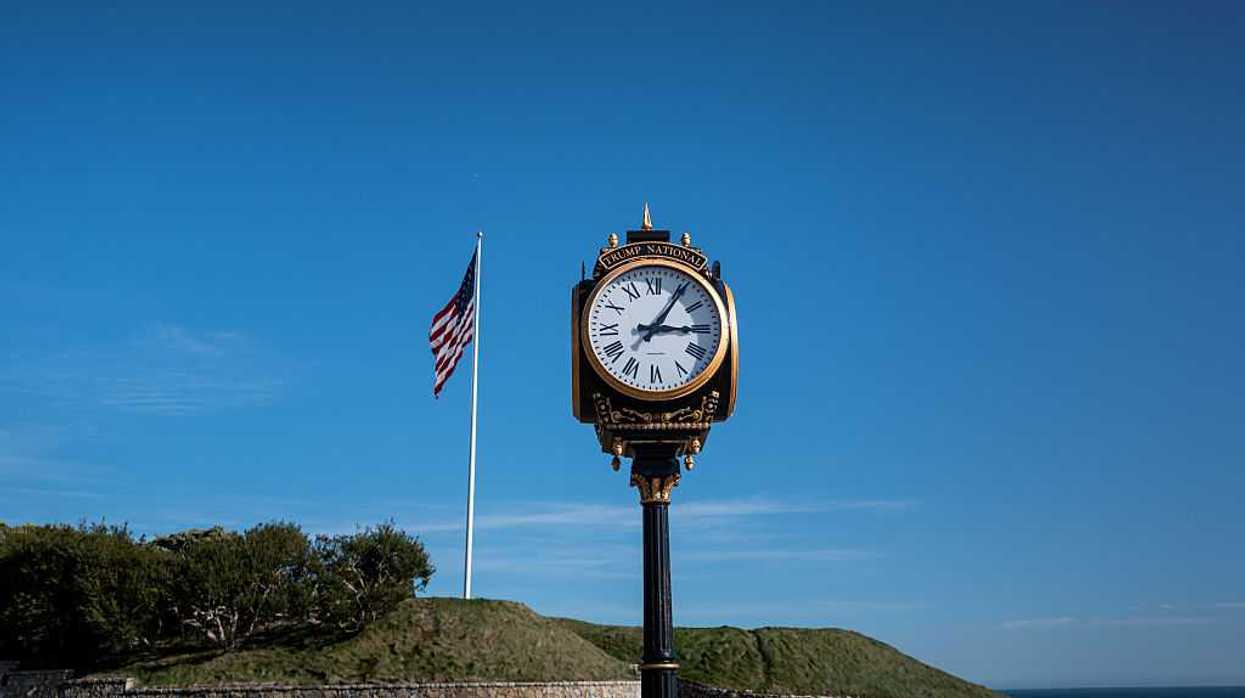
After years of false starts, Congress is finally within reach of ending one of the most universally hated rituals in American life: changing the clocks twice a year.
The House Rules Committee voted 6-4 Monday to advance Florida Republican Rep. Vern Buchanan's Sunshine Protection Act to the full House floor, teeing up a chamber-wide vote on making daylight saving time permanent nationwide.
'Ridiculous, twice-yearly production.'
States such as Hawaii and Arizona, which already skip the twice-yearly changeover, would keep their exemptions.
President Donald Trump has backed the bill, calling the current system a "ridiculous, twice-yearly production" and predicting that passing it would be a win for Republicans.
It's been a long time coming. Then-Sen. Marco Rubio (R-Fla.) first introduced the Sunshine Protection Act back in 2018 and kept pushing it nearly every Congress since — only for the House to kill it. Sen. Rick Scott (R-Fla.) has since picked up the baton, with bipartisan co-sponsorship.
Not everyone in Congress is on board. Rep. Mary Gay Scanlon (D-Pa.) tried to amend Buchanan's bill with language from her own rival measure, the Sunshine for Our Kids Act, which would lock in standard time instead. The amendment was rejected before it reached the floor.
RELATED: California Republicans move to end daylight saving time — America’s dumbest tradition
 Jay L Clendenin/Getty Images
Supporters argue the case is simple: More evening sunlight means more time to be outside, shop, exercise, and spend money at local businesses, rather than watching the sun set before dinner.
Sen. Rand Paul (R-Ky.) has framed it as giving states the freedom to stop asking Washington's permission every year to decide how they want to live. Polling has consistently shown a solid majority of Americans just want the switching to stop — most favoring the "more evening light" version Buchanan's bill delivers.
Critics have raised familiar objections about winter sunrise times — the same argument that sank the country's last attempt at permanent daylight saving time in the 1970s. But with six competing bills on the table and a Republican Congress that just moved one out of committee, Americans could be looking at their last "fall back" ever.
Like Blaze News? Bypass the censors, sign up for our newsletters, and get stories like this direct to your inbox. Sign up here!