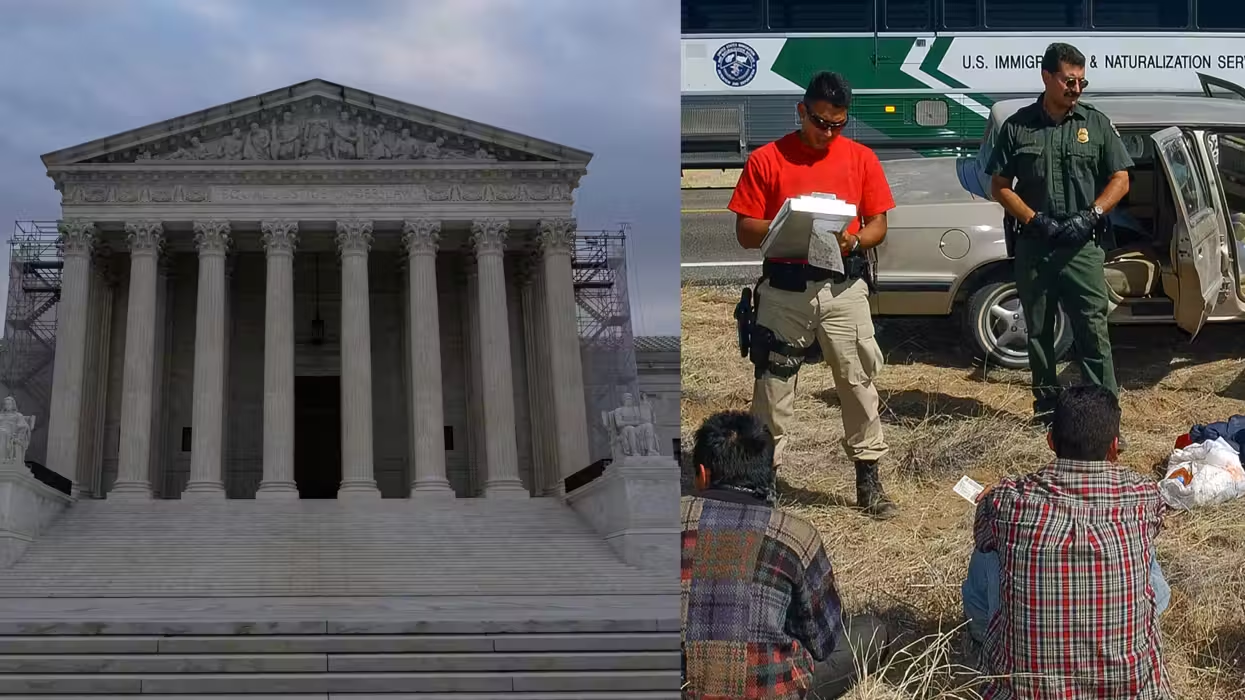
Photo (left): Drew Angerer/Getty Images; Photo (right): Bob Riha, Jr./Getty Images
Asylum seekers will now find it harder to appeal deportation orders.
The U.S. Supreme Court issued a unanimous ruling deciding how persecution claims can be handled in asylum cases.
The unanimous decision in Urias-Orellana v. Bondi found that federal courts must defer to immigration agencies about facts being claimed by asylum seekers.
The unanimous decision says courts must accept findings from the immigration agencies unless they meet a 'substantial evidence' standard.
Douglas Humberto Urias-Orellana is an immigrant from El Salvador who fled to the U.S. in 2021 with his wife and his minor child after allegedly facing death threats from a drug cartel. The family's claims were deemed by an immigration judge not to meet the persecution standard and ordered them to be deported.
Urias-Orellana sued against the deportation and called on the Supreme Court to accept his persecution claims.
Instead, the unanimous decision says courts must accept findings from the immigration agencies unless they meet a "substantial evidence" standard.
The bottom line is that asylum seekers will find it harder to challenge orders of deportation if their persecution claims are denied.
The ruling was written by Justice Ketanji Brown Jackson.
The Alliance for Justice issued a statement prior to the ruling supporting the asylum seeker's cause.
"In Urias-Orellana vs. Bondi, the Court could raise the bar as to how much deference courts of appeals should give to a determination by the Board of Immigration Appeals on whether an asylum seeker has been persecuted in their home country," their statement read. "A ruling that raises the bar could mean that individuals with credible fears for their safety may be denied refuge simply because they cannot meet a higher procedural threshold."
Like Blaze News? Bypass the censors, sign up for our newsletters, and get stories like this direct to your inbox. Sign up here!