Allison Robbert/Bloomberg via Getty Images/Andrew Harnik/Getty Images
‘I don't think this is capitulation. I think these were traps.’
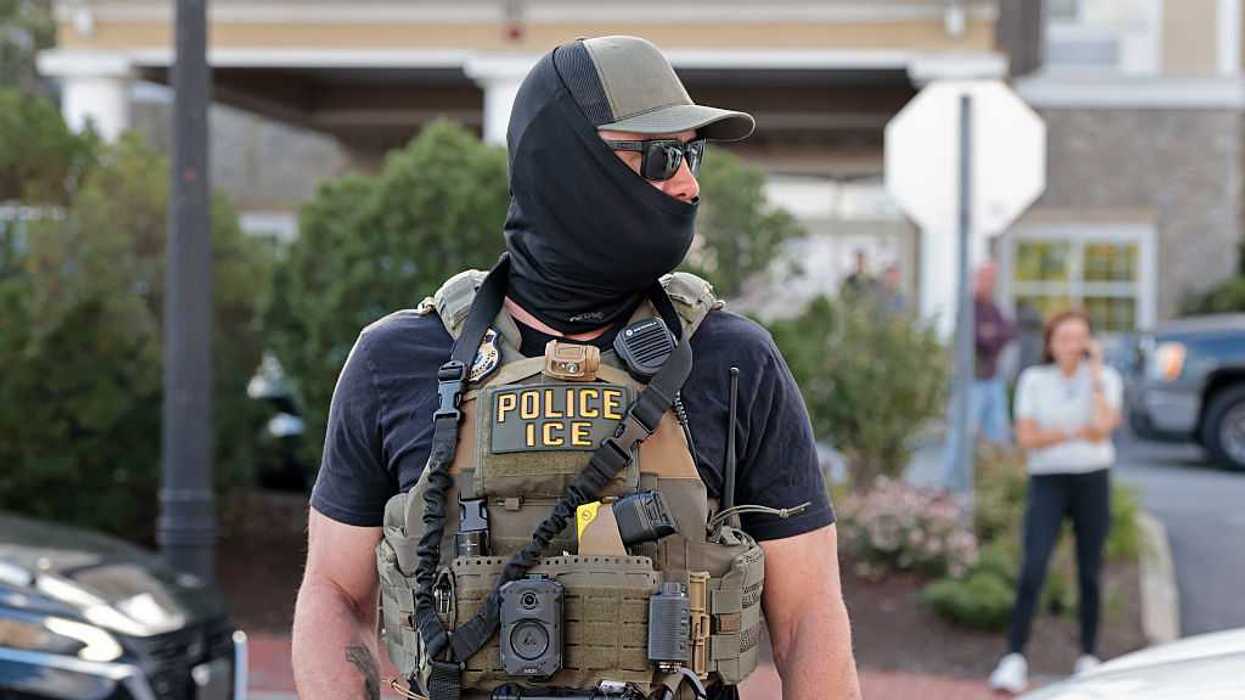
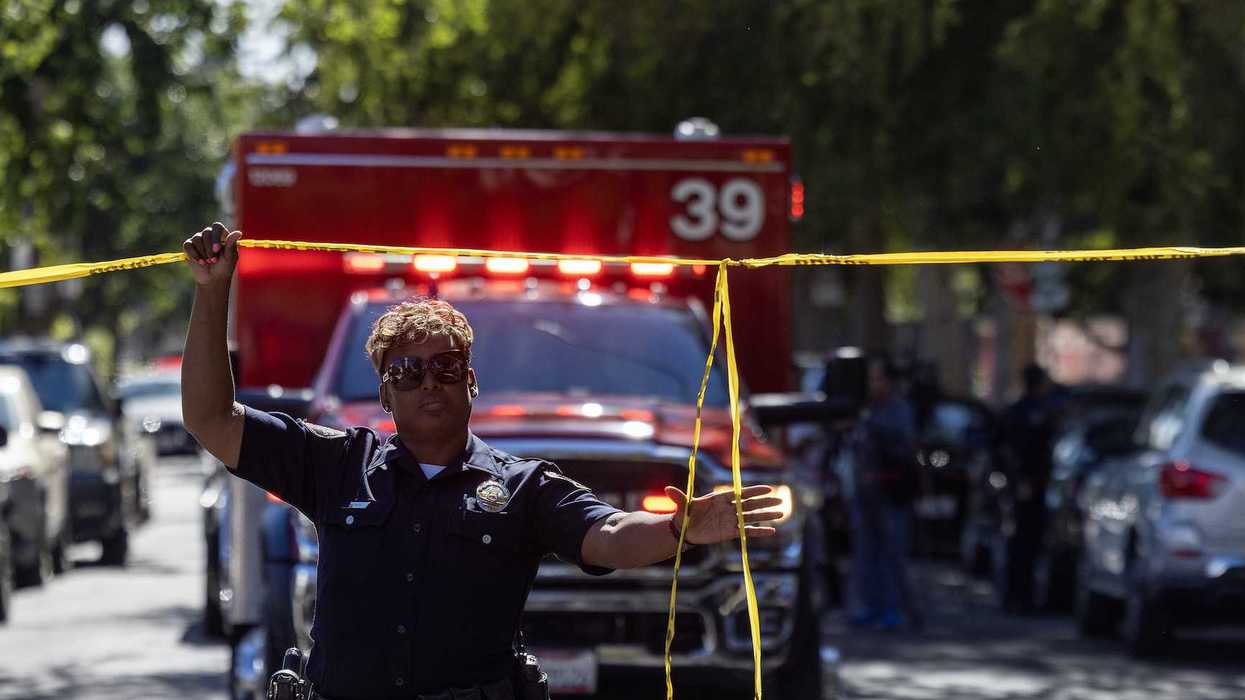
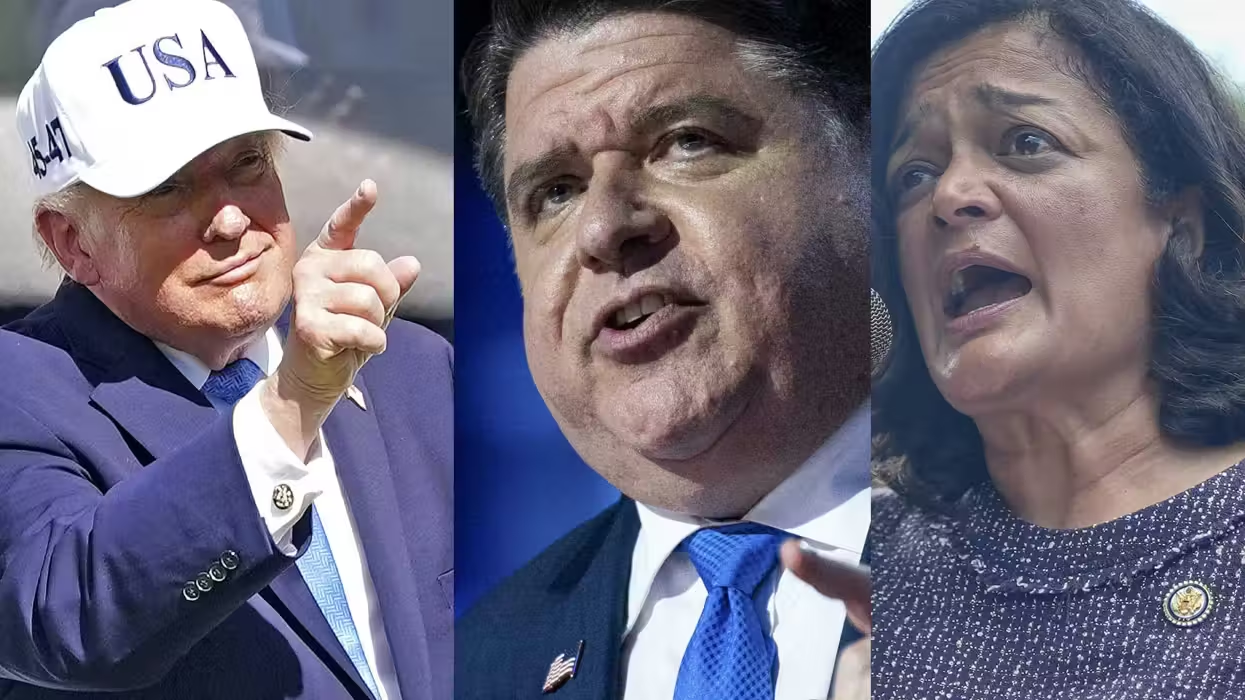
On Monday, January 26, President Trump announced that he had had "very good" and "productive” conversations with Minnesota Governor Tim Walz (D) and Minneapolis Mayor Jacob Frey (D) amid the escalating anti-ICE protests, violence, and backlash over fatal shootings of Renee Good and Alex Pretti.
According to statements from all three, their conversations centered on de-escalating tensions from the anti-ICE protests and federal immigration operations in Minnesota, including potential reductions in federal agent numbers, allowing state-led investigations into the recent fatal shootings by agents, cooperation on handing over criminal noncitizens from state custody, reassigning Border Patrol Commander Gregory Bovino, and assigning border czar Tom Homan to oversee matters on the ground.
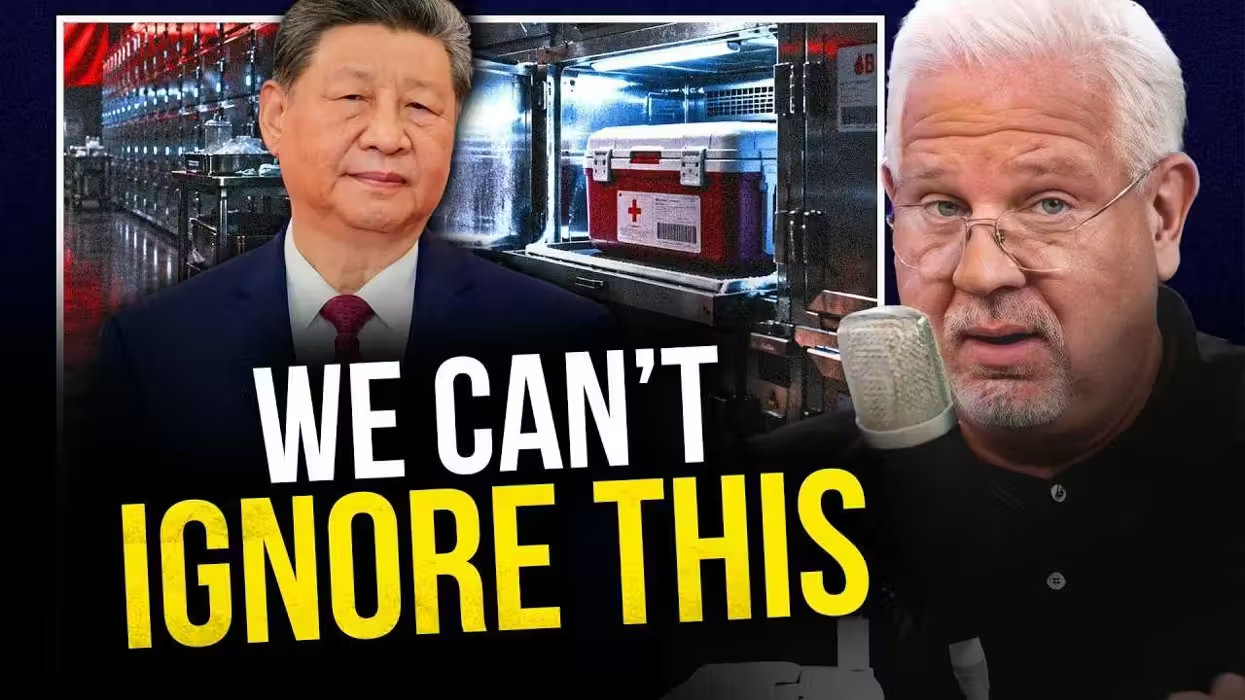
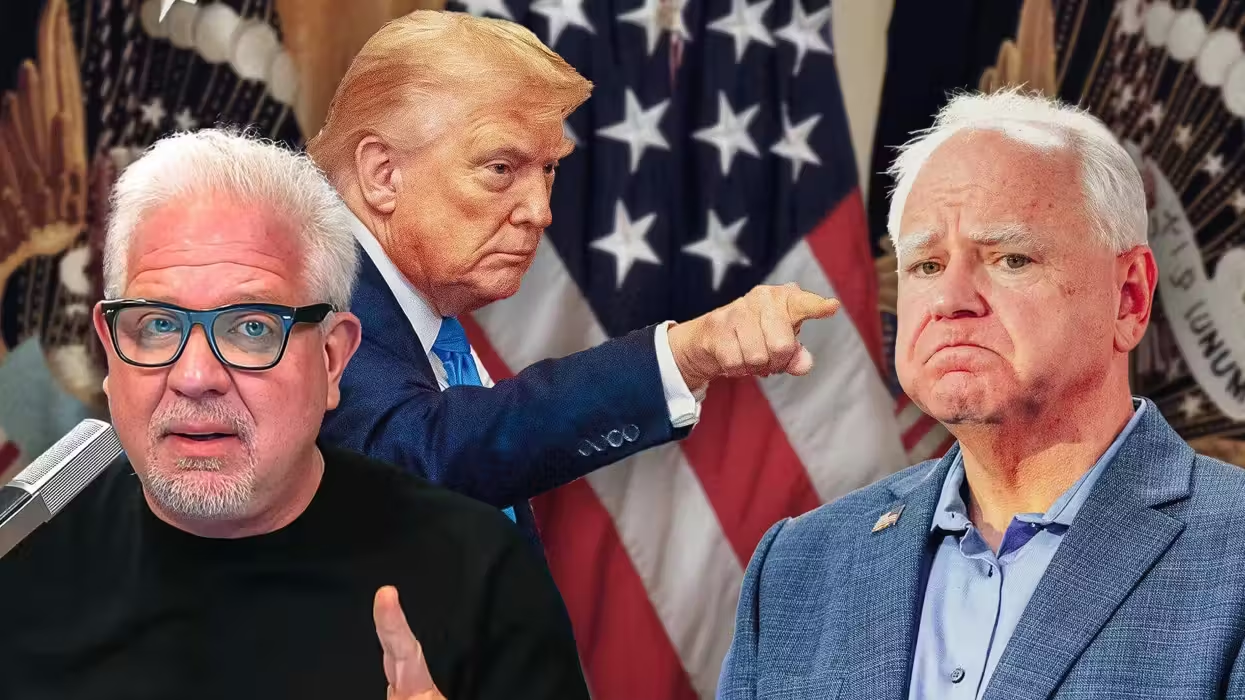
Many people on the right interpreted this as the Trump administration caving to leftist protesters. Glenn Beck confesses that that was his initial reaction upon hearing the news.
“When I first saw this story yesterday … I thought, is he waving the white flag? What is he doing? ... Is this all about the election and getting re-elected and he's got to make nicey-nice?” he admits.
But deeper scrutiny led Glenn to believe that it is not surrender but rather "counterinsurgency” that we are witnessing in the Twin Cities.
“We're seeing Trump shift the battlefield, not abandon it,” he says, explaining that if Trump were legitimately surrendering, he would “end the enforcement nationwide,” “call off ICE operations,” “publicly repudiate Homan or Miller,” “admit wrongdoing,” and “accept the 'Gestapo snatching people off the streets' narrative.”
But “none of that happened,” says Glenn.
Instead, Trump “narrowed the enforcement criteria. Political pressure is rerouted, optics cooled, legal authority preserved, responsibility transferred back to the states,” he explains. “This is not a surrender. I believe this is a reframing of the fight, and it's really smart.”
From the get-go, Trump was clear about ICE’s objective, says Glenn: “Get the really bad criminals off the streets.”
“So the goal was never ICE agents everywhere all the time. The goal was this: Force blue-state leadership to choose publicly and unmistakably between protecting violent criminals or cooperating with federal law enforcement,” he explains.
Minnesota was sliding into irremediable chaos, which would only benefit the radical left, which is aiming to cultivate a “legitimacy crisis,” he says. Escalation is exactly what the insurrectionists wanted Trump to do.
But he smartly didn’t drop the hammer. Instead, he made some moves in order to win the “optics war” — one of them being relocating Border Patrol Commander Gregory Bovino, whom Glenn calls “a walking headline” and a “symbol” for the left’s anti-ICE movement.
This one move, Glenn says, accomplished a number of things. It weakened the Senate shutdown talks, took the media’s favorite villain out of the story, and moved the fight from “personality back to policy.”
“This is classic Trump,” he says.
“Never die on someone else's hill if it isn't the hill you chose. … Only die on the hill you choose,” he adds, quoting Trump’s iconic 1987 book “The Art of the Deal.”
“So when he talks to Walz and Frey, I don't think this is capitulation. I think these were traps.”
To hear more of Glenn’s analysis, watch the video above.
To enjoy more of Glenn’s masterful storytelling, thought-provoking analysis, and uncanny ability to make sense of the chaos, subscribe to BlazeTV — the largest multi-platform network of voices who love America, defend the Constitution, and live the American dream.

BlazeTV Staff