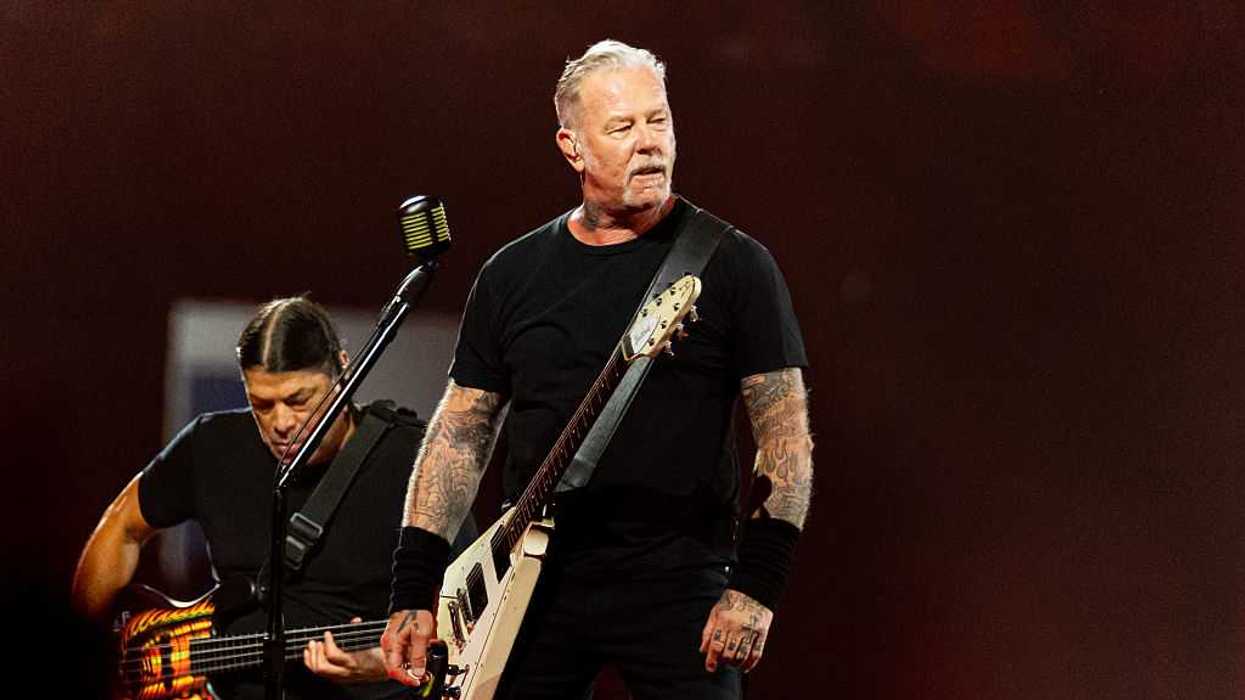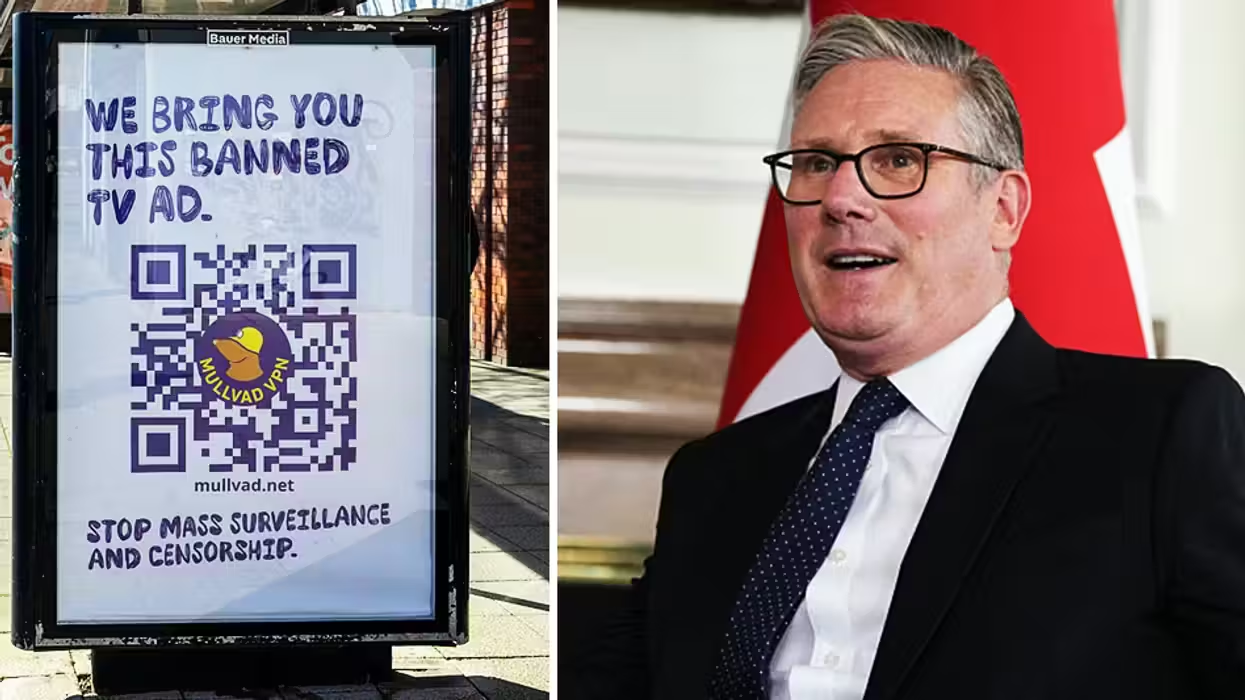
Geography Photos/UCG/Universal Images Group/Getty Images (L); Alastair Grant/POOL/AFP/Getty Images (R)
The sitting government in the United Kingdom is looking to implement more control over the internet before it leaves office.
The next general election in the United Kingdom is set for 2029, which leaves Prime Minister Keir Starmer and his Labour Party plenty of time to continue down the road of online dominance.
'This is the opposite of "British freedoms."'
Last year, the U.K. decided it was time to roll out mandatory digital ID, saying it would protect against illegal employment and stop the infiltration of its borders.
This June, a social media ban on children under 16 years old was announced, backed by that implementation of online ID, which would then force users to prove their age or face an invasion of their camera rolls.
As Blaze Media reported, the idea was to "prevent predators" from exploiting victims, with anyone refusing to submit their ID unable to "take, share, or view nude content."
Now, the push for further government control of the online world seems to be coming out in full force, especially considering culture secretary Lisa Nandy's green paper on misinformation, reminiscent of 2019.
Nearly seven years ago, YouTube began its open-air boosting and deboosting of content based on "authoritative" sources. This meant that select news companies would have their content always listed at the top of searches, while independent creators would be pushed down or shadow banned entirely.
Instead of using the term "authoritative," Nandy's paper cites "trustworthy" news sources nearly 30 times, which would be placed in "prominence" — mentioned almost 60 times — over other sources online, by decree of government.
RELATED: At America 250, Democrats unveil new surveillance state blueprint
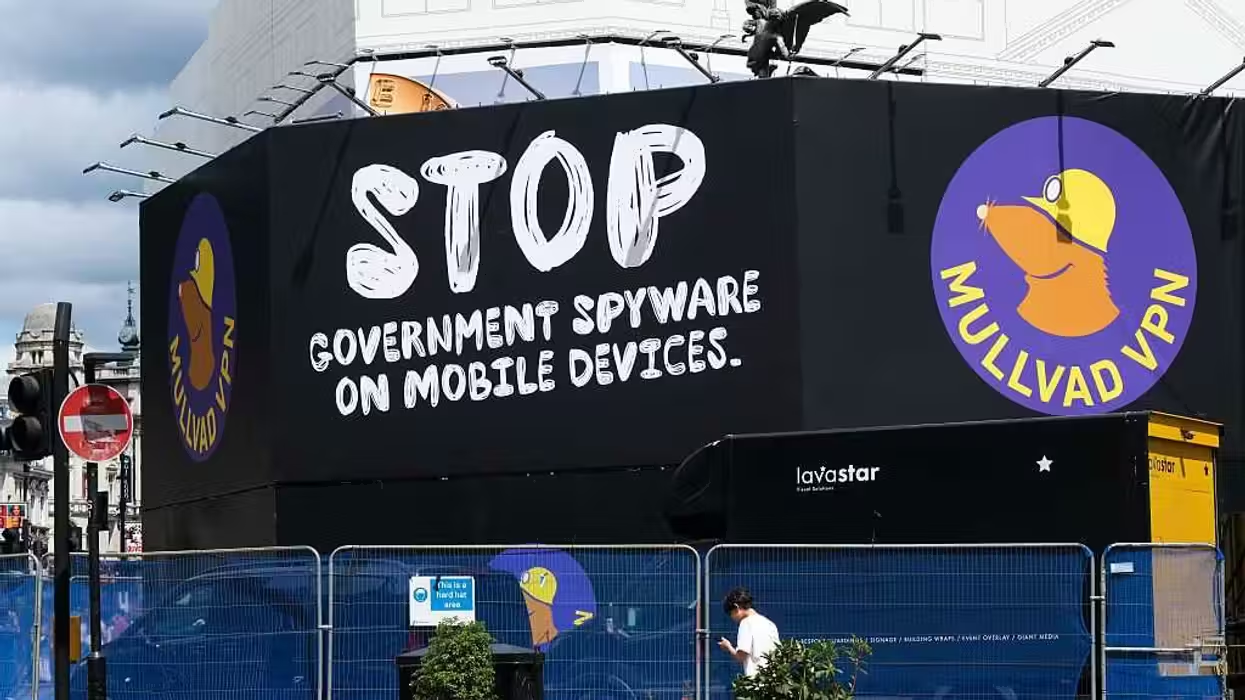 Matthew Chattle/Future Publishing/Getty Images
That brings beleaguered subjects to virtual private networks, thought to be the next target for the U.K. government. VPNs allow users to fake their locations, avoiding data detection and restrictions while making their browsing more private.
This may seem like a small issue, but VPNs are integral to online privacy in the U.K., according to many dissidents.
"VPNs are one of the few remaining tools ordinary British citizens have to protect their online privacy from both the state and big tech," said Lewis Brackpool, director of investigations for right-wing party Restore Britain.
"Banning them would effectively hand the government near-total visibility into what people read, watch, and say online. This is the opposite of 'British freedoms,'" Brackpool added.
Brackpool is not the only person who shares this view; in a scathing review of the Labour Party's handling of online content, outlet Spiked reported that 30 people are arrested every day in England and Wales over social media posts deemed to be "grossly offensive."
That totals more than 10,000 arrests per year.
RELATED: NANNY STATE: UK's pointless teen social media ban a fitting legacy for hapless, hated Keir Starmer
 Dan Kitwood/Getty Images
Some in the Labour Party have denied that a VPN ban is coming, including Baroness Liz Lloyd, who holds the title parliamentary under-secretary of state for the digital economy.
There is "limited evidence on children's use of VPNs," Lloyd said this week, per Birmingham Live. She added that the government has no plan to ban them.
However, the Labour Party still launched a consultation to "confront the full range of risks children face online," which included the options to limit VPN use if it "undermines safety protections and changing the age of digital consent."
A VPN ban is not about stopping serious criminals; they will still use encrypted apps and offshore services, Brackpool says.
"It's more about making it harder for normal people to bypass censorship, access unfiltered news, or organize against government policy."
Brackpool, who has arguably set the tone in the U.K. in keeping the government accountable for its alleged media propaganda push, said that banning VPNs is another way for the state to say, "We don't trust you with your own internet. We'll decide what you can access."
Like Blaze News? Bypass the censors, sign up for our newsletters, and get stories like this direct to your inbox. Sign up here!