Nic Antaya/Getty Images
Congress is considering competing bills to “save college sports” after last year’s landmark name, image, and likeness settlement. The debate often begins with athlete compensation. It should begin with the financial structure that compensation is about to disrupt.
Football and men’s basketball do not merely pay for themselves at major universities. They subsidize nearly everything else.
Football and men’s basketball laid the golden eggs, and nearly everyone else lived on them. That arrangement may be ending.
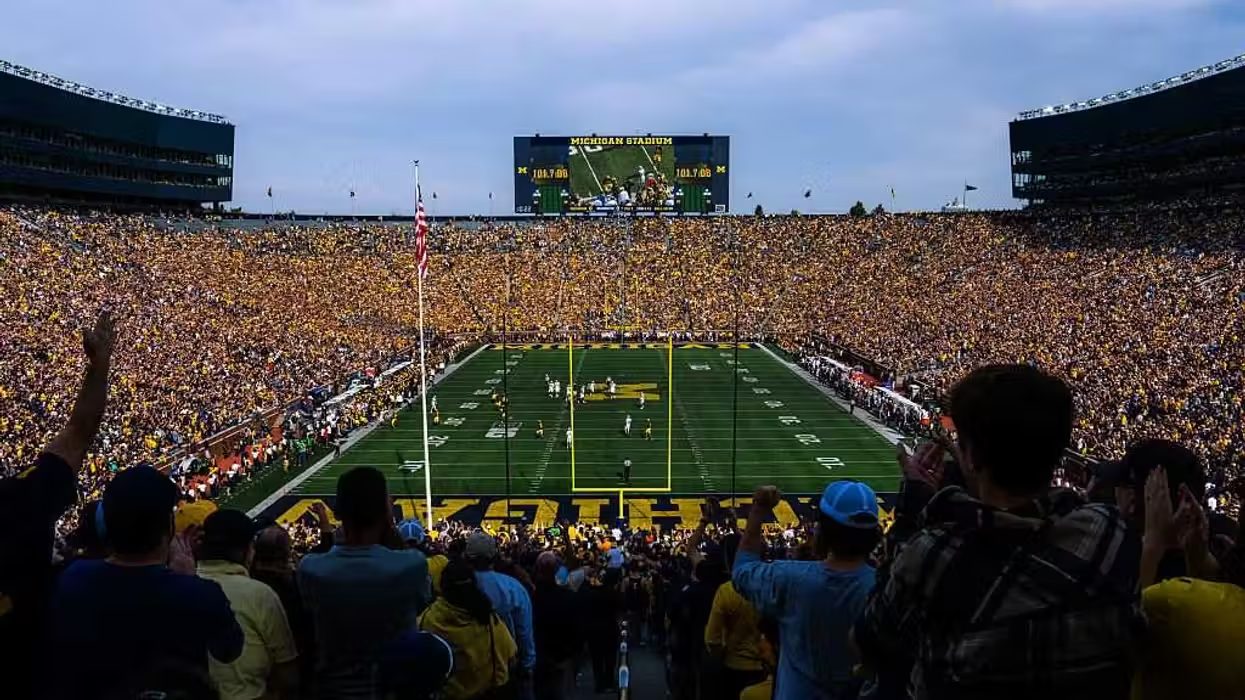
Equity in Athletics Disclosure Act reports show the scale of those surpluses. In 2025, the last year before the settlement took effect, Michigan reported more than $120 million in combined surplus from football and men’s basketball. Tennessee exceeded $116 million. Notre Dame topped $102 million.
Those schools are not outliers. At least 12 of the Big Ten’s 18 members cleared more than $50 million from the two sports. At least eight of the SEC’s 16 members did the same. Half of the ACC schools reporting usable figures generated more than $17 million.
The pattern extends beyond the largest programs. Football and men’s basketball produced more than $20 million at Boise State and about $6 million at San Diego State.
Even those figures may understate the subsidy. EADA reporting is inconsistent and often opaque. Some universities hide profits and losses across entire athletic departments. Others report revenue from profitable sports while obscuring deficits elsewhere. Yet wherever the figures are complete, the same structure appears.
Football and men’s basketball generate cash. Nearly every other sport consumes it.
At the 12 Big Ten schools with complete women’s sports data, the average deficit approached $20 million. Nine SEC women’s programs reported deficits above $27 million. The seven ACC schools with complete figures averaged shortfalls greater than $11 million.
Success on the field rarely changes the arithmetic. Nebraska and Wisconsin built elite volleyball programs, yet each lost well over $1 million in 2025. Purdue volleyball and women’s basketball were rare Big Ten programs to report profits above $4 million. Duke volleyball posted only a small surplus in the ACC. South Carolina’s national champion women’s basketball program ran a deficit exceeding $5 million.
RELATED: Texas AG Ken Paxton threatens Big 12 over possible Texas Tech boycott
 Antranik Tavitian/Bloomberg/Getty Images
Men’s nonrevenue sports also lose money, though generally less. At the Big Ten schools with complete reports, those programs averaged roughly $10 million in losses. The SEC average was about $11 million. Wisconsin men’s hockey lost $1.3 million; the national champion women’s team lost nearly $3 million.
The disparity is not an argument against women’s or Olympic sports. It explains how those sports have survived at their current scale.
Ticket sales, television contracts, and donations tied to football and men’s basketball have long financed teams that cannot cover their own costs. The surplus from the two commercial sports has sustained the breadth of the modern athletic department.
The NIL settlement is redirecting that surplus.
Schools may now share revenue directly with athletes under a cap, while collectives and boosters can make additional uncapped payments. Early evidence suggests that most capped money is flowing to the athletes who generate it.
Texas Tech spent 74% of its cap on football and 17.5% on men’s basketball. North Carolina State spent more than 85% on those two sports. North Carolina spent nearly 98%.
The logic is obvious. Schools competing for quarterbacks, pass rushers, and starting guards will direct money toward the players who determine wins, television audiences, and donor enthusiasm. Every dollar paid to those athletes is a dollar no longer available to subsidize programs that run permanent deficits.
The uncapped side payments create a second pressure. Donors who once gave to athletic departments — where their money could support the entire portfolio of teams — may instead direct funds to outside collectives focused on recruiting and retaining football and basketball players.
The same revenue engines are therefore being tapped twice: once through direct school payments and again through donor-backed NIL deals.
RELATED: Women’s sports finally got a reality check
 Oliver Contreras/AFP/Getty Images
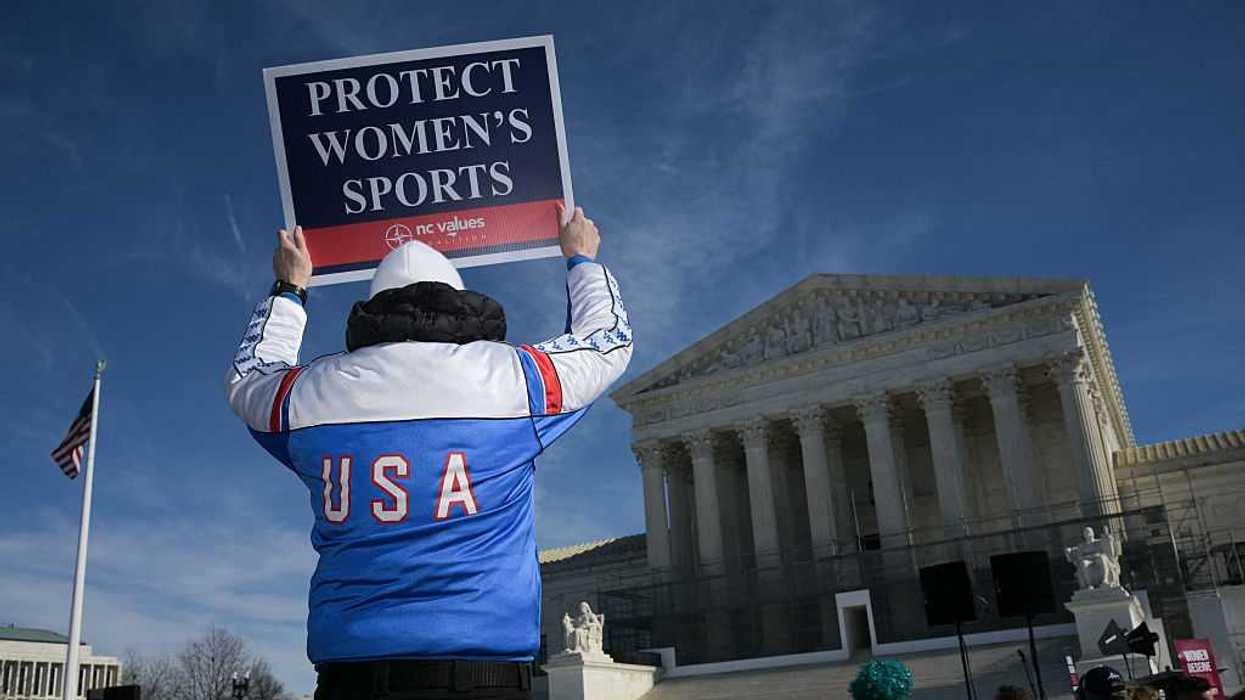
President Trump’s executive order on college athletics recognizes the danger. It warns that the new financial pressures could jeopardize women’s and Olympic sports and seeks greater discipline in the post-settlement system.
Whether the order or any pending bill can preserve the old model remains an open question. Congress cannot legislate away basic economics.
Athletes in revenue sports now have a stronger claim on the money they generate. Schools still want to maintain dozens of teams that do not generate enough revenue to sustain themselves. The same dollars cannot fully satisfy both demands.
For decades, college athletics concealed this trade-off behind the language of one unified department. The financial reports tell a simpler story: Football and men’s basketball laid the golden eggs, and nearly everyone else lived on them.
That arrangement may be ending. Congress should understand what it is trying to save before promising that every program can survive unchanged.