STEPHANE DE SAKUTIN/AFP/Getty Images
A dinosaur logo is at the center of controversy surrounding the whereabouts of some rare literature.
This story, involving Amazon, has taken wild cross-country turns and led to one of the most unexpected places.
'They just want the content as a bunch of words strung together.'
As AI companies have rushed to gobble up texts for digitization and model training, suspicion has mounted that companies are buying up batches of rare tomes for uses they'd rather keep under wraps.
When it comes to Amazon, the granddaddy of Big Tech book merchants, the narrative starts with one specific shipment of 1,000 books.
Described as having been printed in small batches or obscure languages, the thousand were purchased through an online marketplace called Biblio.
A journalist from 404 Media, piquing his curiosity, asked the seller to help him puzzle through what he described as an anomalous "historical spike" in book sales the past few years. According to Publishers Weekly, book sales increased in 2025 by 2.5% over 2024.
404 decided to affix one of the books with an Apple AirTag — effectively a tracking device — in order to find out who was behind the large purchase.
It worked.
The shipment went to a California airport before winging its way to Milwaukee International Airport. The same day, the AirTag showed that it went on to a warehouse belonging to Trifinity, a specialized shipping and distribution company in Kenosha, Wisconsin.
It stayed there for two weeks before traveling west by truck to Colorado. And then, the next day, it arrived at an Amazon warehouse in Las Vegas.
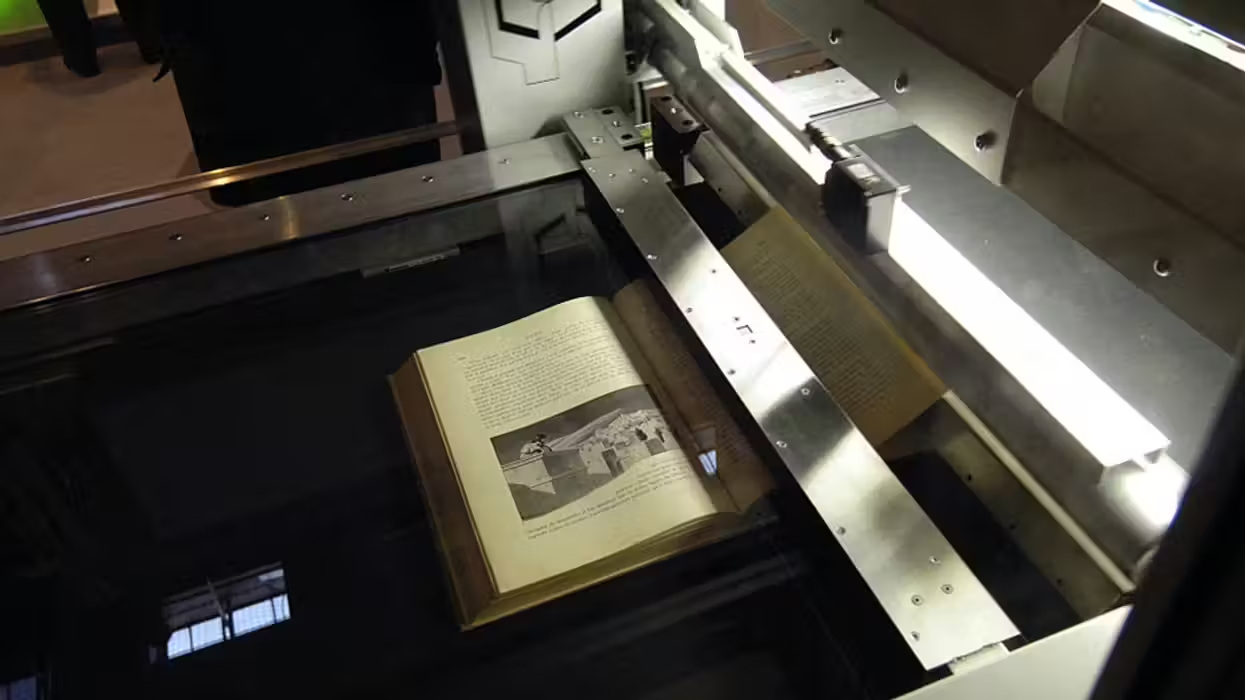
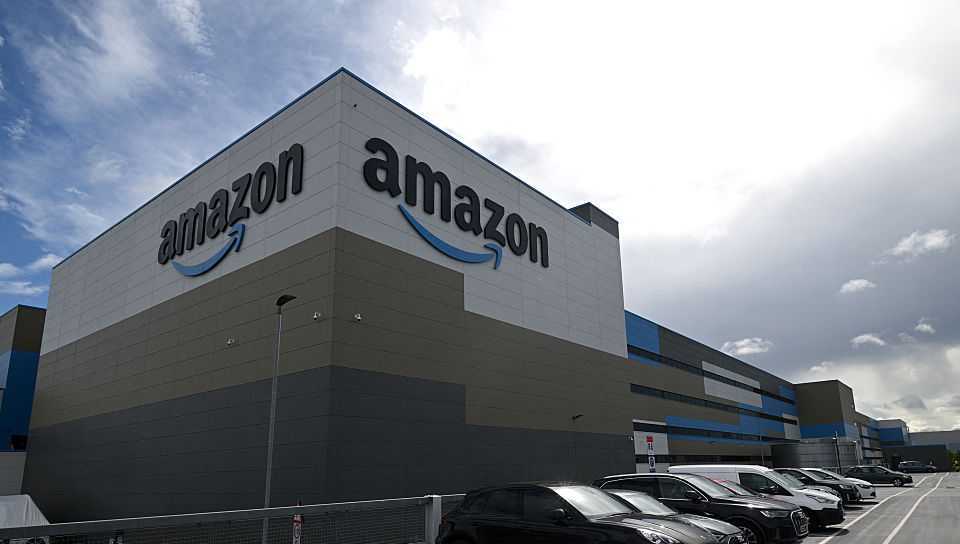
At Amazon Fulfillment Center LAS8, as the warehouse's location is known, Amazon is allegedly collecting, scanning, and badly damaging rare books to train its AI model, all through a team called VGT3. In vaguely military fashion, VGT3 has a patch-like logo: a tyrannosaurus rex baring its teeth over an open book.
The details on book-hungry VGT3 were previously undisclosed until recent reporting, although there have been some online breadcrumbs. On a Reddit thread under AmazonFC from last year, one person said they work at VGT3 and all they do is "scan books."
Amazon has not publicly explained VGT3's scope or operations.
RELATED: 'GAME' OVER? 'Thrones' author George RR Martin reveals what's stopping his last book
Reporting the revelations, 404 Media alleges that Amazon is buying a massive number of books, scanning them to train their AI model, and effectively destroying them in the process, cutting off the spines to make them more easily scannable.
"Some are assigned to cut books, and others go to receive where they get books and scan the bar codes," an alleged employee told 404. "We didn't have rates, but now we do, but it's not stressful."
The systematic scanning of the codes, known in the trade as ISBN numbers, further fuels speculation that the world's books are being methodically scanned by tech companies ultimately intending to consume printed material so thoroughly as to retire it from common use.
Blaze News reached out to Amazon to ask if the books are being scanned to train an AI model, if there is public information about VGT3, and if the books are indeed being destroyed.
In response, an Amazon spokesperson only told Blaze News that the company "purchases books through commercial channels to help develop and improve the products and services our customers use."
RELATED: 'Expert witness' humiliated in $61 million lawsuit after lawyers discover one insane detail
 JUSTIN TALLIS/AFP/Getty Images
The scope of the rare books were described as being prints that not many people would care about "in the same way people might care about the first edition of 'Oliver Twist.'"
"There are different types of value," said the bookseller who sent out the bulk shipment. "There's monetary value, obviously, but there are a lot of other types of value."
Without identifying the books by name, the seller claimed they offered "historical value, intellectual value, [and] sentimental value. All sorts of things, and all of those the AI companies don't care about. They just want the content as a bunch of words strung together."
Like Blaze News? Bypass the censors, sign up for our newsletters, and get stories like this direct to your inbox. Sign up here!