Bastiaan Slabbers/NurPhoto via Getty Images
America can produce more crude oil and still fail to put much more gasoline in a driver’s tank. Between the well and the pump stand pipelines, refineries, and investments that take years to build. Politicians who promise affordability while making that work harder have a problem no campaign slogan can fix.
Americans don’t need another lecture about why they should accept higher electric bills. They need leaders willing to confront the policies that make energy harder to produce and deliver. Every family heating a home, filling a gas tank, or buying groceries pays the price. When energy gets more expensive, the cost works its way through nearly everything else.
You cannot campaign against an industry’s future and act surprised when companies hesitate to finance it.
The left wants credit for caring about working families. Its energy agenda should be judged by what those families can afford. Promises of a greener future offer little comfort to someone deciding which bill to pay late.
Affordability requires abundant energy, dependable infrastructure, and the freedom to build.
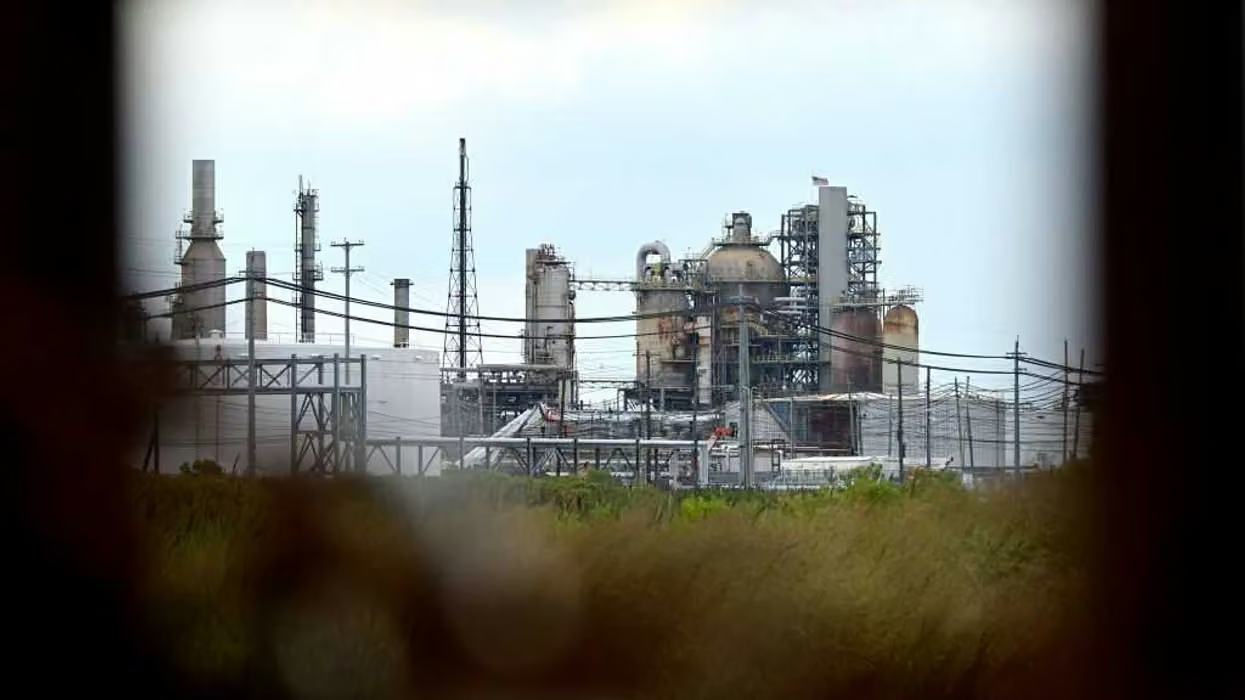
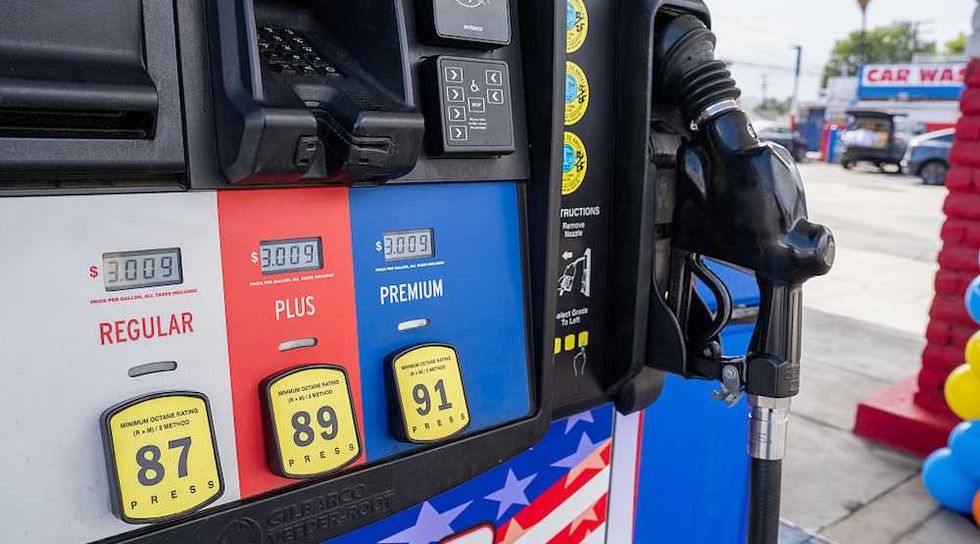
Start with gasoline. Expanding American oil production helps, but crude must travel through pipelines, reach refineries, and become usable fuel before it can get a parent to work. An energy agenda must follow the barrel all the way to the pump.
According to the U.S. Energy Information Administration, American refineries operated at 96.5% of their operable capacity in June and July. That leaves little slack during peak summer demand. More crude cannot automatically produce a matching increase in gasoline output when refineries are already running close to capacity.
EIA identifies Marathon’s Garyville, Louisiana, facility, which opened in 1977, as the newest U.S. refinery with significant downstream processing capacity. Smaller refineries have opened since, and existing facilities have expanded considerably. Processing capacity deserves as much attention as drilling.
Democrats advocating a rapid retreat from petroleum should explain why investors would commit billions to infrastructure those same politicians want the country to stop using. You cannot campaign against an industry’s future and act surprised when companies hesitate to finance it.
China understands that industrial power requires physical infrastructure. The International Energy Agency’s 2025 investment report projected approximately $88 billion in Chinese transmission and distribution investment that year, alongside enormous investments in generation and storage. Beijing is building an energy system to support its industrial ambitions.
RELATED: The GOP can’t blame Biden forever for pain at the pump
 Kyle Grillot/Bloomberg via Getty Images
America should compete through private enterprise, innovation, and the freedom to build. Those advantages cannot carry us far if our political system rewards short-term promises while long-term projects languish.
Members of the House face voters every two years. That accountability is essential, but the calendar also encourages projects that pay political dividends before the next election. A transmission upgrade won’t make a thrilling television ad. Refinery modernization won’t produce a viral moment. The infrastructure Americans depend on rarely makes a consultant’s highlight reel.
The temptation is to campaign on lower prices while ignoring the construction needed to deliver them. Republicans should resist it. A two-year election cycle cannot excuse the failure to plan 20 years ahead.
Our competitors benefit when American projects stall. Every unnecessary delay lets another chance to manufacture, innovate, or expand slip away.
And demand is growing. America wants to lead in artificial intelligence and advanced manufacturing. Both require dependable electricity. The IEA projects that data centers will account for roughly half of U.S. electricity demand growth through 2030.
Conservatives should welcome that investment and insist on the capacity to support it: natural gas, nuclear power, more transmission, and renewables competing on cost and performance. Families need electricity during extreme weather. Hospitals need it around the clock. Reliability must guide these decisions.
RELATED: Affordable energy is on the ballot in November
 Patrick T. Fallon/AFP via Getty Images
Large data-center developers should also pay the infrastructure costs their projects create. A retired couple should not finance a technology giant through a higher utility bill. Supporting business does not require handing its expenses to everyone else.
Permitting reform belongs at the center of the conservative agenda. Establish clear environmental standards, impose firm deadlines for decisions, and let responsible developers build when they meet the requirements. Communities deserve a voice. Investors deserve an answer. Endless uncertainty serves neither.
Americans also deserve to choose vehicles and household equipment that fit their finances and daily lives. New technology should win customers on performance and value. Politicians imposing mandates should answer for their costs.
Republicans must deliver completed projects, greater supply, and dependable service. Affordable energy allows a farmer to operate, a manufacturer to compete, a small business to hire, and a family to keep more of its paycheck.
America has the resources, expertise, and workers to build a stronger energy system. Conservatives should judge their leaders by completed projects, expanding supply, and reliable service — not promises recycled every two years. Campaign slogans cannot power a factory or heat a home.