Bettmann/Getty Images
Joseph McCarthy, Richard Nixon, George W. Bush, and Andrew Jackson have little in common beyond one striking fact: Young Americans are revisiting reputations that schools, media, and popular culture once treated as settled.
The trend is not a wholesale endorsement of every decision these men made. It is a rebellion against inherited verdicts.
TMZ may fret that McCarthyism is returning. It isn’t. Institutional deference, however, may be gone for good.
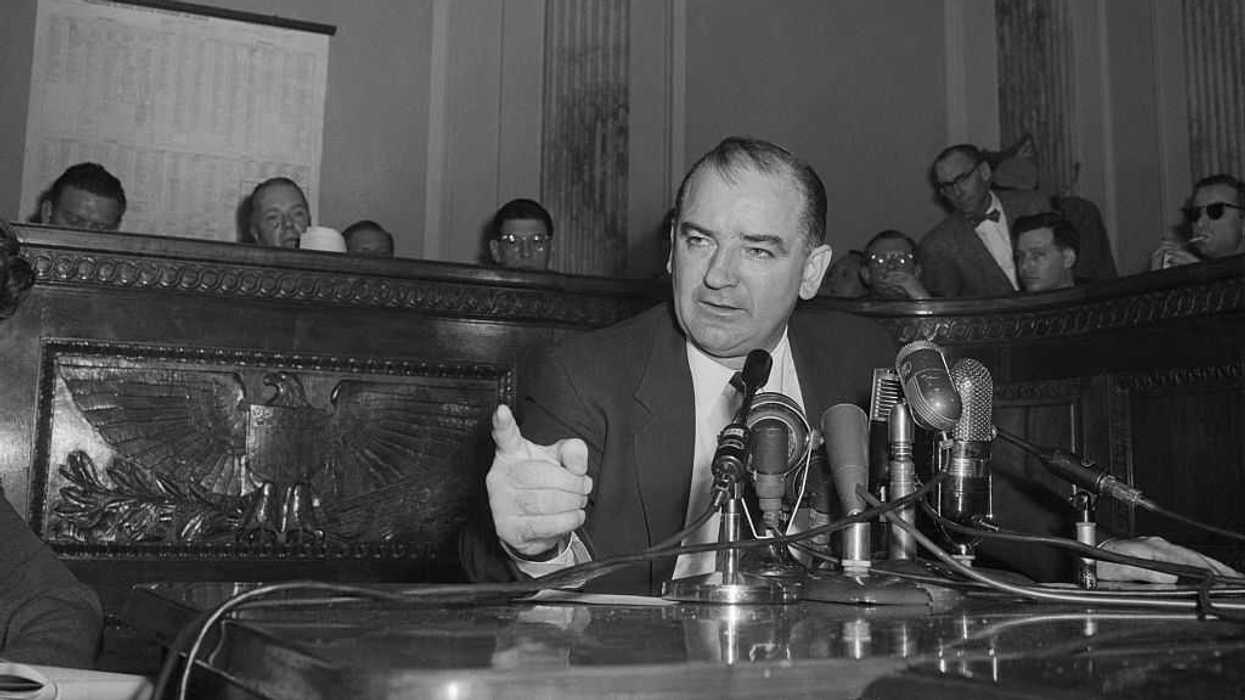
As democratic socialists such as Francesca Hong and Zohran Mamdani have gained traction with voters, some young conservatives have revived interest in McCarthy’s campaign against communist influence in the United States. The slogan “Joseph McCarthy was right” has circulated online alongside renewed discussion of Soviet espionage and foreign political influence from countries such as Cuba and China.
McCarthy’s record remains contested, and the abuses associated with his name should not be waved away. But younger critics are increasingly unwilling to accept the textbook version in which he appears only as a paranoid bully who invented a threat that did not exist. One widely used history resource, for example, describes his methods as bullying tactics that created a climate of fear.
McCarthy is not alone.
Richard Nixon became a viral figure this summer through “Nixon-maxxing,” an online fascination that mixes irony and style with a serious effort to reconsider his foreign-policy record and political downfall. George W. Bush, once a permanent punch line for late-night comedy, now appears in nostalgic images as a cowboy from a more confident American era. Andrew Jackson has also returned to online debate as younger people reassess his nationalism and tariff policy.
None deserves automatic vindication. McCarthy, Nixon, Bush, and Jackson were consequential men with real failures, bitter controversies, and legacies that remain open to dispute.
But their reputations were shaped by institutions that many members of Gen Z no longer trust.
Black Lives Matter activists tried to tear down Jackson’s statue in Washington. Legacy outlets treated Nixon’s name as shorthand for betrayal and corruption. Late-night television and “Saturday Night Live” spent years reducing Bush to a caricature.
When those same institutions lose credibility, their historical judgments lose authority with them.
That loss of trust is measurable. Confidence in higher education fell from 57% in 2015 to 36% in 2024. Gen Z reports the highest levels of mistrust toward colleges of any generation, and 59% of students say they fear expressing “right-wing” political opinions in class.
RELATED: The once and future Nixon
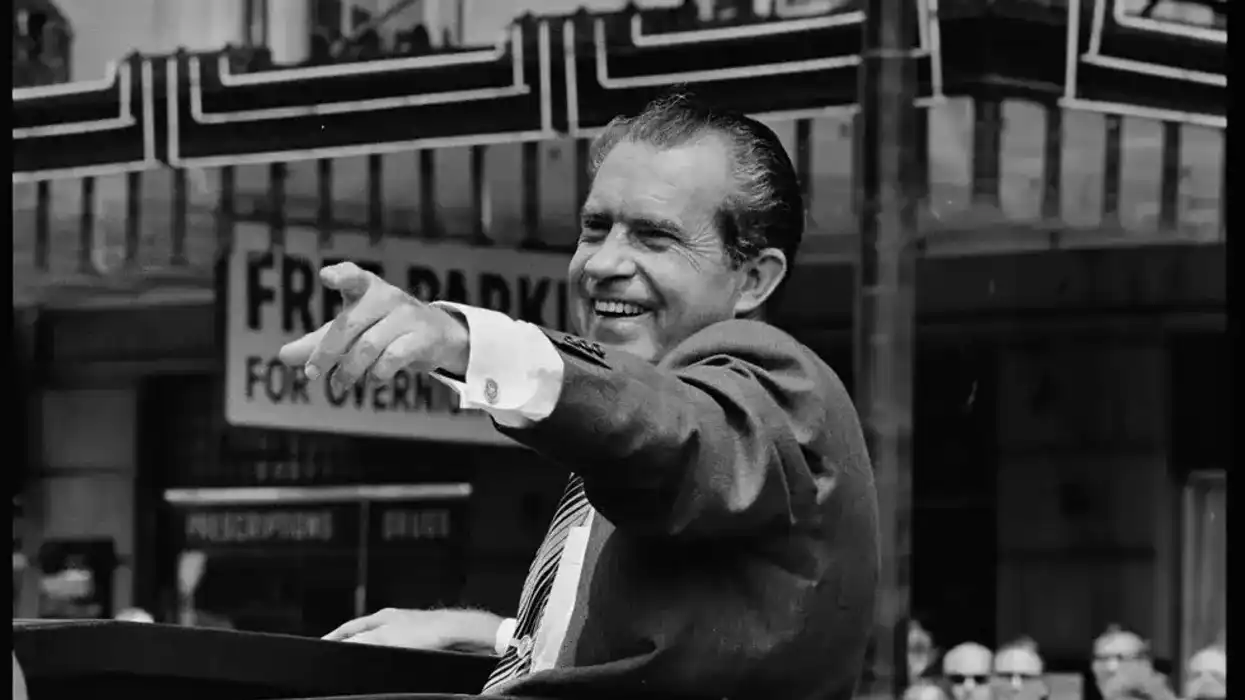 Photo courtesy of the Richard Nixon Foundation
Young people therefore approach official narratives with a suspicion earlier generations reserved for propaganda. If they want the truth, they need to uncover it themselves.
COVID taught us the hard way.
Most members of Gen Z were in high school, college, or the opening years of adulthood when governments closed schools, restricted work, separated friends, and imposed sweeping health rules. They were told that officials possessed reliable answers, then watched many claims change, collapse, or become subjects of bitter dispute.
The vaccine debate supplied one example. Research identified an increased risk of myocarditis after some COVID vaccinations, particularly among adolescent and young adult males. That finding did not prove every warning about vaccination correct, but it complicated the insistence that skepticism itself was irresponsible or morally wrong.
The release of Anthony Fauci’s diary reinforced the belief among many young Americans that officials presented more certainty in public than they privately possessed.
The result was not merely disagreement over masks, vaccines, distancing, or school closures. It was a broader lesson in institutional fallibility.
Young Americans learned that credentials do not eliminate self-interest, consensus does not guarantee truth, and a confident official narrative may later require substantial revision.
That lesson now shapes how they view both contemporary politics and American history.
Donald Trump’s return to the presidency after Russiagate, two impeachments, criminal prosecutions, and years of predictions that his movement would collapse reinforced the idea that establishment condemnation can increase rather than settle public doubt. Young men voted for him heavily in 2024 and extended the same instinct to figures such as JD Vance, Marco Rubio, and Robert F. Kennedy Jr.
The same appetite has helped independent journalists like Nick Shirley build audiences by pursuing stories local governments and established newsrooms neglected.
RELATED: Two Americas, under Fauci, with liberty and justice for none
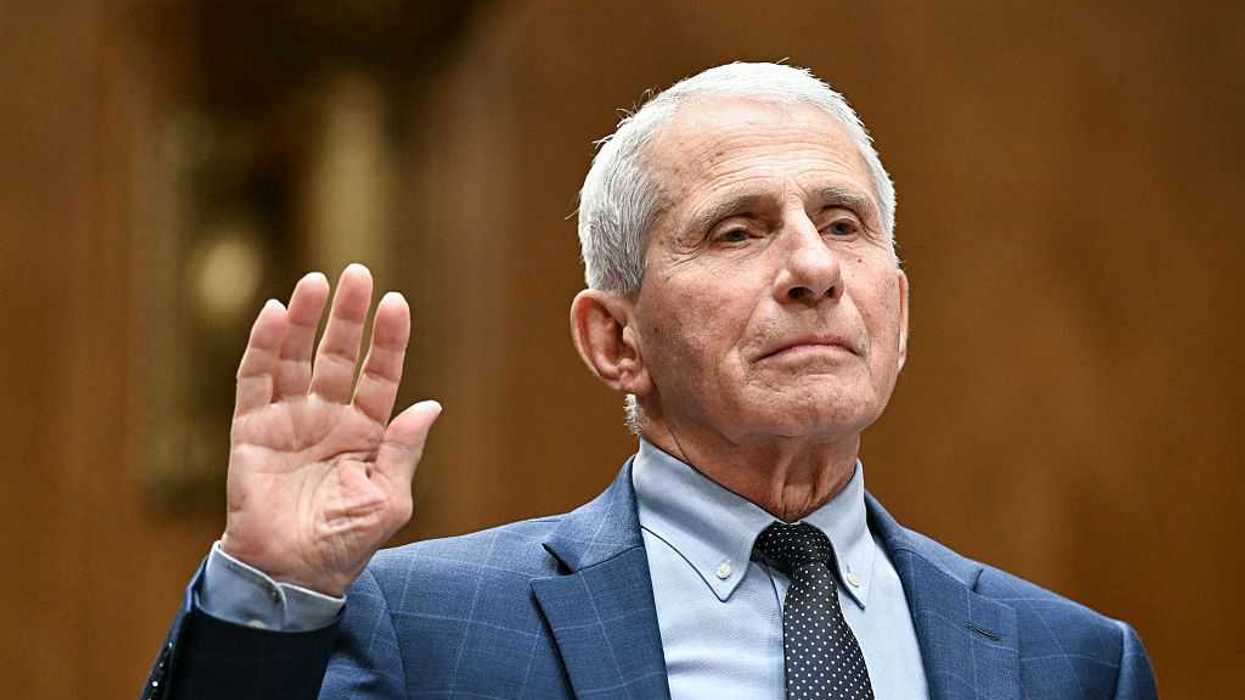 Alex WROBLEWSKI/AFP/Getty Images
This impulse can go wrong sometimes. Contrarianism is not the same as truth, and a historical figure does not become virtuous merely because liberal institutions despised him.
But the refusal to inherit conclusions without question is healthy.
Gen Z is treating history less like a museum exhibit and more like a cold case. It wants the documents, the motives, the context, and the arguments omitted from the standard account.
That approach will not vindicate every accused man. It may confirm some old judgments and overturn others.
The larger significance lies in who now claims the authority to decide.
Schools, television networks, universities, and political movements once expected younger Americans to accept their moral rankings of the past. A growing number of young people now insist on reopening the file themselves.
TMZ may fret that McCarthyism is making a comeback. It isn’t. Institutional deference, however, may be gone for good.