Horacio Villalobos/Corbis/Getty Images
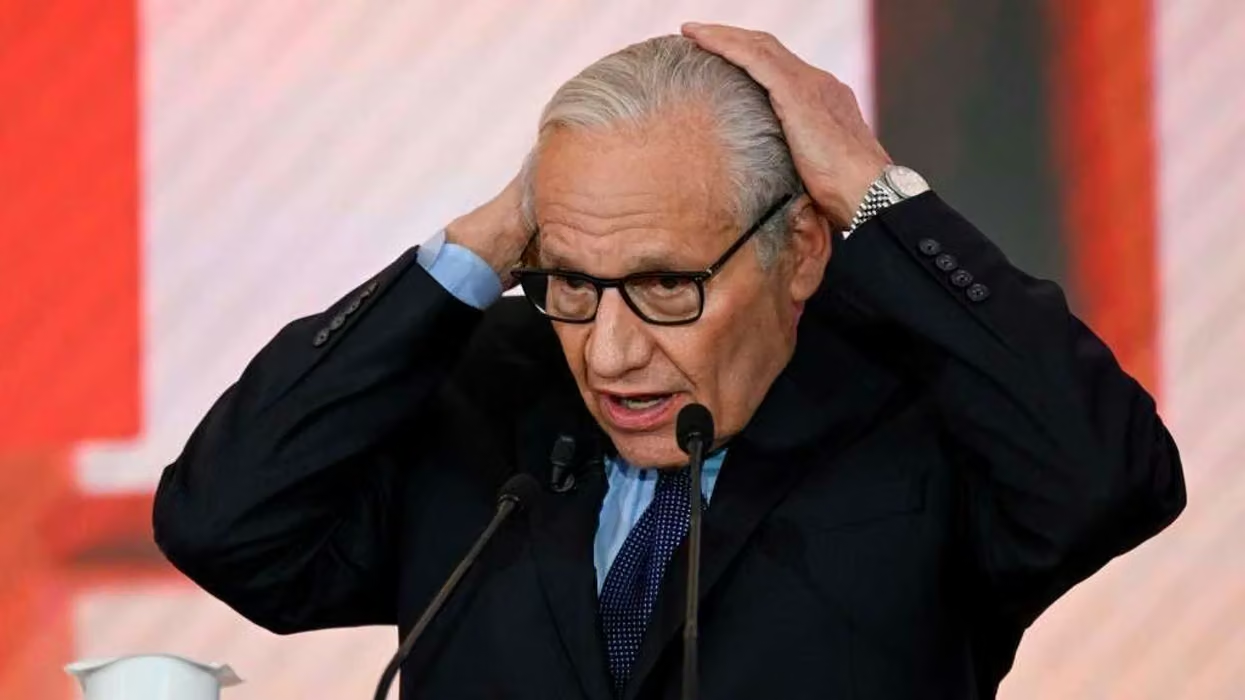
Bob Woodward’s forthcoming memoir, “Secrets: A Reporter’s Memoir,” identifies confidential sources who trusted him to protect their identities, many of them now dead. Critics have attacked the disclosures as a betrayal of those promises. To understand how Woodward acquired the trust of so many high-level sources, consider how he treated the source who made him famous: W. Mark Felt, the FBI’s second-ranking official, known to the world as Deep Throat.
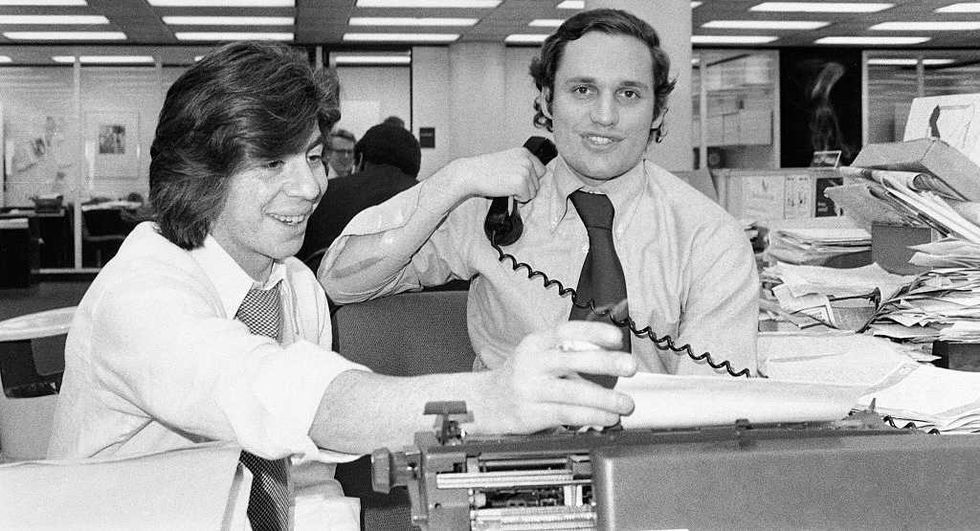
When Woodward and Carl Bernstein published “All the President’s Men” in 1974, its most riveting passages described Woodward’s clandestine dealings with Deep Throat. The source helped sustain the reporting that exposed the Watergate scandal and contributed to President Richard Nixon’s downfall. Woodward’s apparent devotion to protecting this celebrated informant also established his reputation as a journalist whose sources could speak without fear of exposure.
Had journalists followed the clues and identified Felt decades earlier, perhaps other prospective sources would have learned that Woodward’s celebrated protection offered less shelter than it seemed.
That reputation made Woodward the master of the government-insider tell-all. Officials with sensitive information, whether moved by principle or score-settling, could trust him to keep their names out of print. The trouble, as I saw it, was that the celebrated example of his discretion was also an example of its limits.
I was 27 and working as a federal prosecutor when “All the President’s Men” appeared. Even then, I doubted Woodward’s supposed protection of Deep Throat. Felt had more to lose than his anonymity: His personal standing and the reputation of the FBI he loved were on the line. Yet Woodward filled the book with clues about his source’s knowledge, diction, manner, and position.
Those details pointed toward a senior FBI official. By the fall of 1974, I believed the evidence identified Felt by a strong preponderance. After the movie appeared in 1976, I was convinced beyond a reasonable doubt. It required no genius, only sustained attention and a working knowledge of the federal justice system.
Consider one clue. Deep Throat relayed Nixon’s furious reaction to leaked stories, suggesting to some readers that the source had access to the Oval Office. But elsewhere Woodward described Nixon berating acting FBI Director L. Patrick Gray over leaks. If Gray repeated the incident to his close associate Felt, the supposed White House mystery would point straight to the FBI. Woodward never said Deep Throat had witnessed Nixon’s outburst firsthand.
Another clue concerned the Kissinger wiretaps. Deep Throat discussed them with Woodward at a roadside bar in early 1973. In my analysis, only eight government officials had the requisite knowledge, and seven were implausible sources. That left Felt.
RELATED: 50 years of fraudulent political journalism
 Bettmann/Getty Images
I examined these clues in my 2019 book, “Postgate”. My point here is simpler: Woodward won acclaim for protecting an anonymous source while revealing enough about him to invite identification. Felt spent three decades, in effect, dodging the searchlights in a prison yard. That was hardly the bargain he thought he had made.
Felt wanted the Watergate investigation pursued without political interference or a whitewash that could discredit the bureau. He feared that limiting its scope, including scrutiny of Donald Segretti’s dirty-tricks operation, would compromise the FBI’s integrity. If an FBI official’s leaks were exposed, however, the institution he sought to defend could suffer precisely the reputational damage he dreaded.
Woodward’s dramatization of Deep Throat served the reporter’s interests, but it was at odds with the source’s. In my view, Woodward should have been regarded less as the patron saint of source protection than as a remarkably faithless — if highly successful — exploiter of a source’s trust.
In 2002, I discovered that my college-age daughter had befriended Felt’s grandson. I met Felt at his family home and became his lawyer. He had struggled even to acknowledge his role to his family. “An FBI man,” he said, “does not act like that.” His daughter and grandsons urged him to tell his own story while he still could.
We also knew Woodward intended to identify Deep Throat after Felt’s death. That would leave Felt unable to explain his conduct or defend the bureau’s reputation against whatever account Woodward chose to publish. With his family’s support, Felt ultimately agreed to reveal himself publicly. I wrote the account that appeared in Vanity Fair in 2005.
RELATED: How the Washington Post, not Nixon, covered up Watergate
 Gene Forte/Consolidated News Pictures/Getty Images
Even then, I believe Woodward acted against the interests of the man he called his friend, particularly over the prospects of book and movie income. I recount that dispute in “Postgate.” The broader problem extends beyond Felt: Reporters and sources do not always share the same interests, even when each needs the other.
Woodward’s new disclosures raise the same question that troubled me in 1974. What does a promise of confidentiality mean if the reporter alone gets to decide when it expires? A source may be dead, but the consequences for a reputation, a family, or an institution do not necessarily die with him.
Had journalists followed the clues and identified Felt decades earlier, perhaps other prospective sources would have learned that Woodward’s celebrated protection offered less shelter than it seemed. There may be honor among thieves. Felt discovered how little of it he could count on from the reporter who made him famous.