Omar Marques/SOPA Images/LightRocket/Getty Images
It takes a lot to surprise me on TikTok. I go in expecting left-wing absurdity.
But recently I found a young woman in her 20s crying because she felt “overwhelmed” by the amount of content she would have to create for “Kinktober.” What’s that about?
Our country can’t get comfortable with sexually explicit content. It needs to be re-stigmatized, shamed, and kept from public life.
Kinktober is the sexually explicit offspring of Inktober, an online challenge that encourages artists and writers to create one themed work every day in October. Kinktober takes the same format and fills it with sexual prompts.
One 2026 prompt list circulating online includes bestiality, intoxication, age-gap sex, and a long list of fetishes too vile to publish here.
The strange part is not that adults have invented another sexual subculture. Humans hardly needed the internet for that. The strange part is how easily that subculture now spills onto mainstream platforms.
One woman posted a TikTok praising the Kinktober list as “great” and urging artists to get “freak nasty.” Another video showed a woman leaving college early to go “celebrate” Kinktober. Commenters chimed in enthusiastically.
Tumblr hosts sexual artwork and writing. Reddit users direct participants toward Archive of Our Own, the enormous fan-fiction site commonly known as AO3. Kinktober collections there contain thousands of works.
Kinktober is not the kind of thing that happens in a healthy society. It is the kind of thing that happens in a society that has glamorized sexual promiscuity and allowed the most aggressive, X-rated content to be available to anyone at the touch of a button.
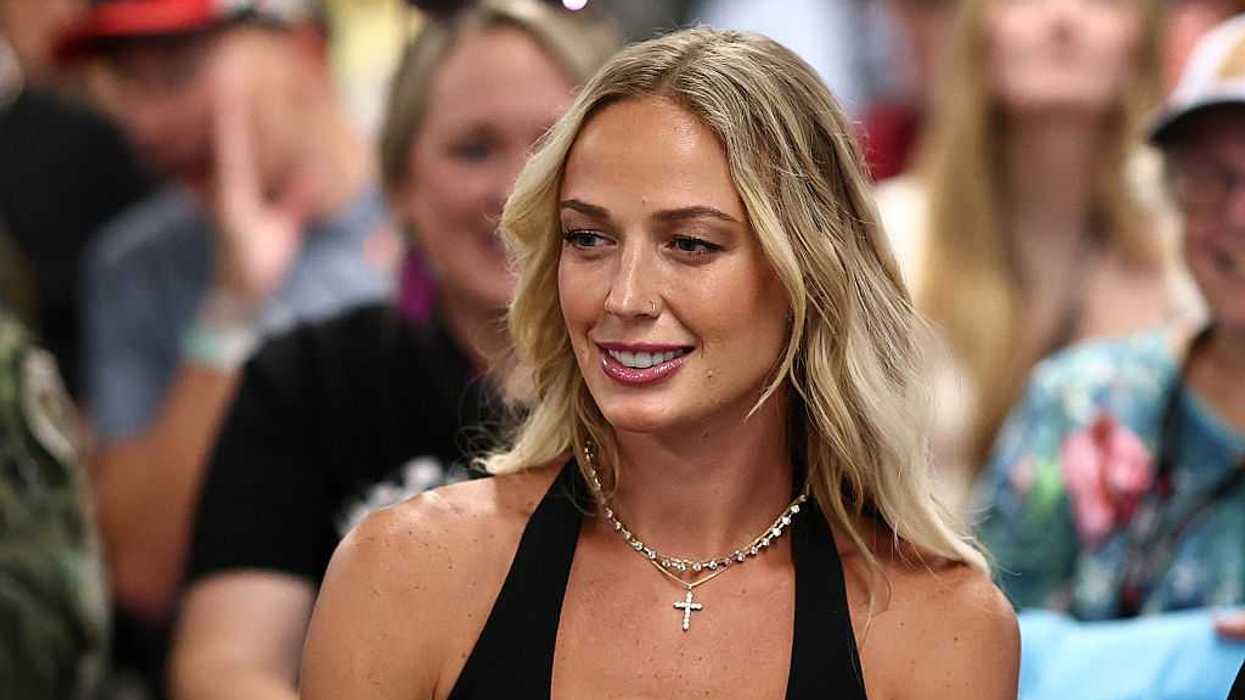
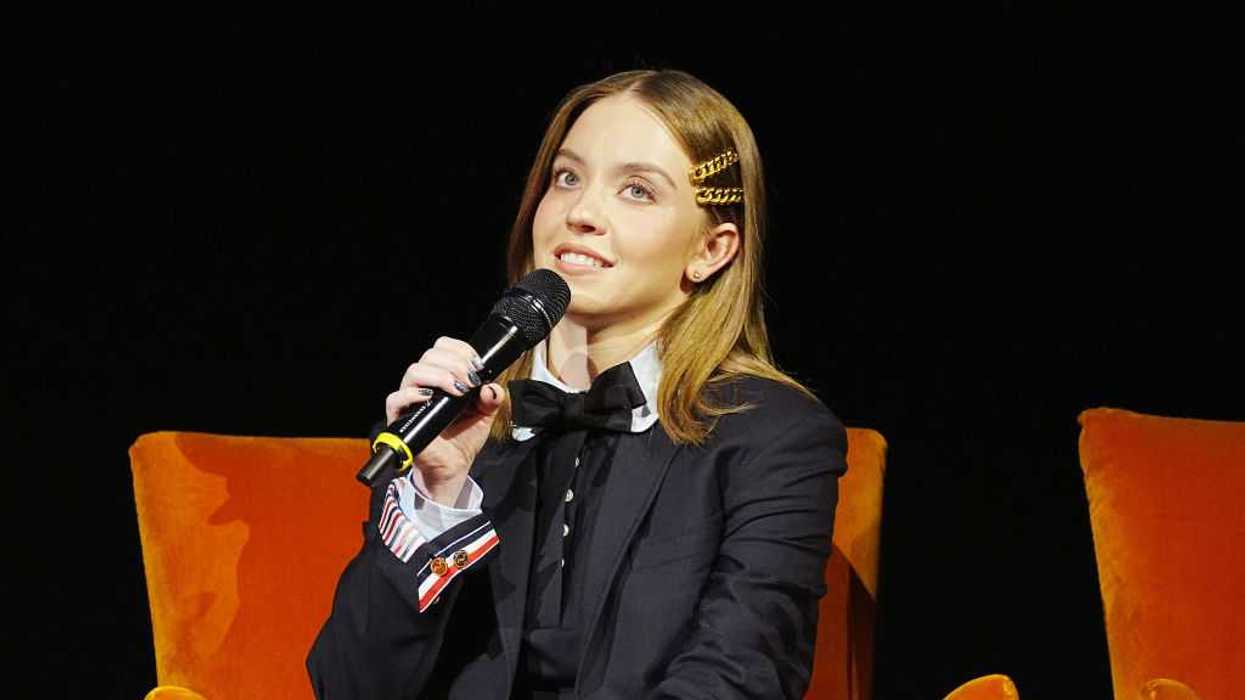
Kinktober has emerged in a culture dominated by OnlyFans and PornHub. Oversexualization is nearly unavoidable. Stars like Sabrina Carpenter mimic sexually suggestive acts onstage. Bonnie Blue makes content about setting records for having sex with hundreds of men. Even Sydney Sweeney, who has largely been embraced by many on the right for standing up against Hollywood’s feminist agenda, has posed in highly sexual public ads.
RELATED: Sophie Cunningham defends Sydney Sweeney — but admits she ‘morally’ has a problem
 Chris Graythen/Getty Images
In this cultural climate, Kinktober doesn’t seem as perverted as it is.
The consequences extend beyond adults who deliberately seek this material. A 2026 Common Sense Media survey of American teenagers ages 13 to 17 found that 74% had seen online pornography. More than half of those who had seen it first encountered it by age 12, including 12% who first saw it at age 10 or younger.
Young people do not need to walk into an adult store or lie about their age to an embarrassed clerk. Sexual content reaches them through phones, social media feeds, websites, and links.
Written erotica also deserves more attention than it gets. One study of 456 readers of erotic fiction found that 94% of respondents were women. That does not mean women universally consume erotica, of course. It does show that pornography does not come only in the visual form most people associate with men.
Kinktober packages that kind of material as a creative exercise. Write something every day. Draw something every day. Share it. Tag it. Find a community around it.
The internet is exceptionally good at turning private interests into communities and communities into identities. It also strips away much of the social friction that once separated an obscure fetish from ordinary public life.
That friction served a purpose.
RELATED: OnlyFans models are offended by Sydney Sweeney mocking their degeneracy on her TV show
 Jeff Kravitz/FilmMagic/Getty Images
Prior to the sexual revolution of the 1960s, it was unthinkable that a nearly endless library of sexual content could be available on platforms that rarely enforce age restrictions. Today, we are constantly being inundated with content that is increasingly grotesque.
Kinktober may currently be relegated to online spaces, but it probably won’t be for very long. The prompts it suggests, such as bestiality, age gap, and collars, are all slowly making their way into the mainstream.
Bestiality is slowly becoming destigmatized as furries are normalized, with furry conventions and gatherings growing in attendance each year. Age-gap relationships are being pushed by leftists who have tried to include pedophilia in the LGBT community under the guise of being “minor-attracted persons.” Even collars are being worn in public, along with chains and leatherware that is highly suggestive and inappropriate.
We need to realize that what happens online often makes its way into the real world. Internet trends are a primary source of American culture. Parents need to protect their children from websites like Tumblr, AO3, and TikTok, which promote challenges like Kinktober. Our country can’t get comfortable with sexually explicit content. It needs to be re-stigmatized, shamed, and kept from public life.