Dmytro Skrypnykov/iStock/Getty Images
Every government form I sign contains some variation of the same warning: “I certify that the information provided is true and correct.” “False statements may result in civil penalties.” “Federal charges may apply.”
I have been signing forms like that since Ronald Reagan was president.
Americans do not need another report telling them what everyone already knows. They need accountability.
For 40 years, I have managed a medical catastrophe. My wife has endured nearly 100 surgeries, multiple amputations, years of hospitalization, and enough insurance claims and medical bills to wallpaper a house. Over those four decades, I learned something millions of family caregivers understand all too well: You don’t respect what you don’t inspect.
Long before smartphones, electronic records, and artificial intelligence, I sat at kitchen tables with a pencil, a calculator, and a telephone, combing through Explanation of Benefits forms, hospital bills, physician statements, pharmacy charges, and insurance claims. I have argued with surgeons, hospital administrators, insurance executives, case managers, billing departments, and just about everyone in between. I have won all but two of those arguments because if I did not, my wife paid the price. The consequences of their mistakes landed in my living room.
When your loved one’s health and financial survival hang in the balance, you learn to confront, challenge, and stay in the room long after everyone else wishes you would leave. That is what advocates do. That is what skin in the game looks like.
Imagine if our elected advocates approached their responsibilities with even a fraction of that urgency.
As America approaches its 250th birthday, we are preparing celebrations, restoring monuments, and planning fireworks displays. That’s fine. I enjoy fireworks as much as anyone. But the colonists did not risk everything over fireworks. The Stamp Act was never merely about stamps. It was about accountability. It was about whether government could impose burdens on citizens while remaining insulated from the consequences of those burdens.
RELATED: Mercedes, Bentley, and McLaren cars seized in BUST of $30 million Medicaid fraud scheme, feds say
 CHUYN/iStock/Getty Images
Two hundred and 50 years later, that question remains painfully relevant.
More than 65 million Americans serve as family caregivers. Together, they provide an estimated $1.2 trillion in unpaid care each year. They keep loved ones out of institutions, reduce burdens on taxpayers, and shoulder responsibilities that would overwhelm many public systems. We do not have lobbyists. We do not have communications directors. We have kitchen tables covered with bills. We have loved ones whose lives depend on us showing up again tomorrow.
Then, we turn on the news. We see stories of fraud. We see agencies unable to account for money. We see programs consuming billions with little to show for it but waste. We see officials preside over failure and retire comfortably while ordinary Americans are left holding the bill.
In “The Dark Knight,” the Joker tells Batman, “It’s all part of the plan.” After enough years of watching obvious failures produce little accountability, cynicism begins to sound less like paranoia and more like experience.
Finding fraud matters. But merely finding it is not enough.
If I discovered an error in a medical bill and nobody corrected it, the problem remained. If I identified the source of a problem and nobody addressed it, all I had really done was document my frustration. At some point, discovery without consequence becomes theater.
Americans have watched report after report, audit after audit, investigation after investigation. Fraud was found. Good. Now what?
Finding fraud is important. Arresting fraudsters is important. But accountability also requires asking who ignored it, who enabled it, who benefited from it, and who failed to stop it.
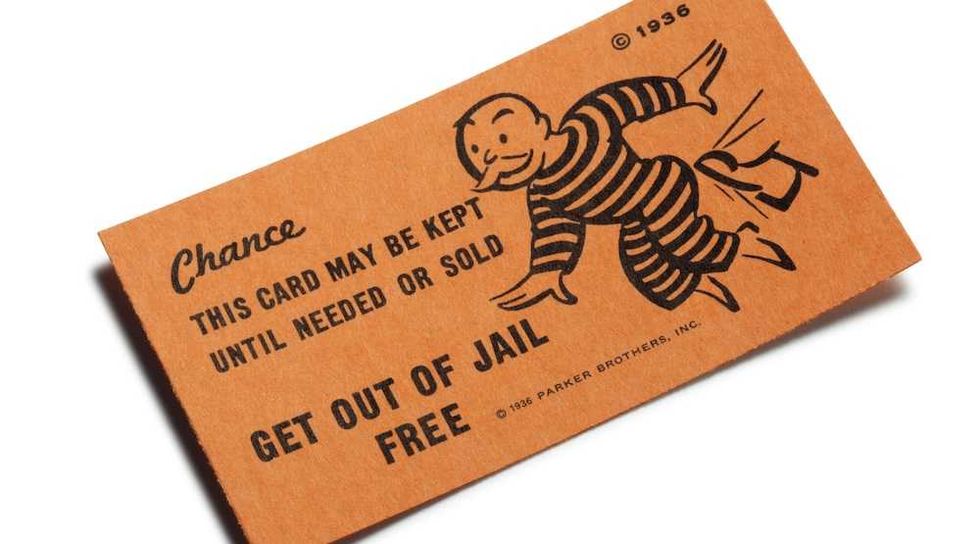
And if those people occupied positions of authority, what consequences do they face? Loss of office? Loss of contracts? Public accountability? Criminal prosecution where warranted? Or do they simply move on while the public absorbs the cost?
Otherwise, we’re not fixing a system. We’re simply rotating villains.
The average American lives under penalty of perjury. Every form I sign reminds me of it. If I knowingly misrepresent information, consequences follow. Why should the people entrusted with billions of taxpayer dollars operate under a lower standard than the citizens paying the bills?
If fraud occurred, prosecute the people responsible and name names. If someone knowingly violated the public trust, identify him and hold him accountable. Not for revenge. For stewardship.
I write this while undergoing cancer treatment. At the same time, I am still caring for a woman who has spent four decades battling catastrophic disability. If I sound impatient with waste, fraud, and excuses, it is because I have spent too much of my life paying for other people’s mistakes.
 DNY59/iStock/Getty Images
Millions of caregivers know exactly what I mean. We are tired in a way that is difficult to explain to people who have never lived this life. Staying outraged takes more energy than most caregivers can afford. But we are paying attention.
Scripture says, “When the righteous increase, the people rejoice, but when the wicked rule, the people groan” (Proverbs 29:2).
There is a lot of groaning in this country. I hear it in hospital waiting rooms. I hear it in caregiver support groups. I hear it from people staring at medical bills long after midnight.
Americans do not need another report telling them what everyone already knows. They need accountability. They need leaders willing to impose upon government the same standards government imposes upon them.
For too long, the consequences of government failure have been borne by the wrong people. It is time for accountability to land somewhere else.