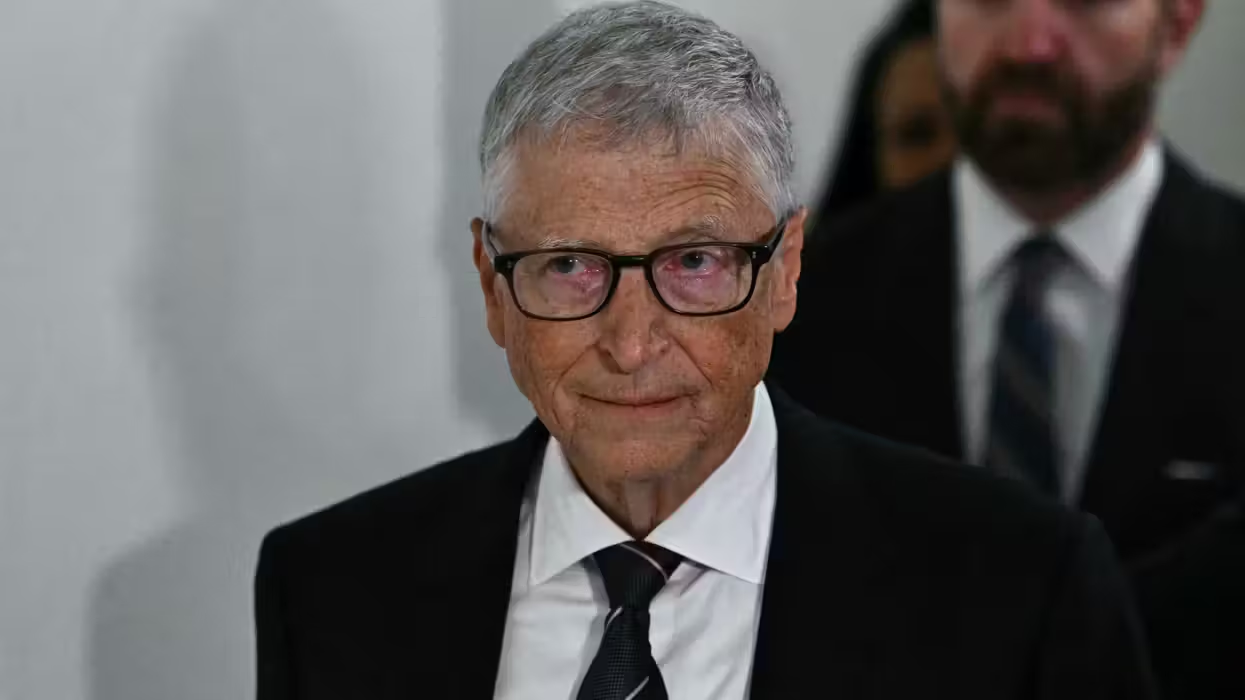
KENT NISHIMURA/Getty Images
For years, the tech elite touted the many benefits of AI, claiming it could revolutionize all kinds of industries and health care. Even as this technology strained our resources, wrecked our supply chains, and stirred up uncertainty over job loss, we were all told just to get in line — this is the future. That tune, however, is starting to change, as guys like Bill Gates are finally saying the things the rest of us have been saying all along: This tech could be dangerous. Is it too late for humanity to recover?
The Microsoft co-founder took to his own blog to post an extensive piece detailing all the ways AI could be good for humanity. As expected from a high-profile leftist, he leaned on the idea of equity, noting that AI can “make the world a fairer place and keep it from widening the divide between rich and poor.”
The tech elite created this problem, and now they have the nerve to warn everyone about the monster they contrived.
That sounds like a counterintuitive statement coming from an elite technologist worth $109.3 billion. If he’s prepared to relinquish his fortune for those beneath him on the ladder of success, I must have missed the memo.
On the flip side, AI is also a force capable of driving bad times ahead, if it’s abused. He focused on three main risk factors:
The worst part is that the tech elite, like Bill Gates, created this problem, and now they have the nerve to warn everyone about the monster they contrived. Remember that Microsoft was an early backer of OpenAI, the company behind the first mainstream LLM, ChatGPT. Throughout their partnership, Microsoft injected $13 billion into OpenAI and held a license to wrap ChatGPT into Microsoft Copilot on Windows PCs and other devices. Today, Microsoft still holds a significant minority stake in the AI giant’s company, though it has pulled back in favor of building its own large language models.
And that’s just Microsoft.
The Gates Foundation partnered with Claude on a $200 million grant to install AI deeper into “global health, life sciences, education, and economic mobility” programs, even as Gates admits himself that this technology could be a threat to students and jobs.
RELATED: Google's AI is taking over your Android. Here's how to kick it out.
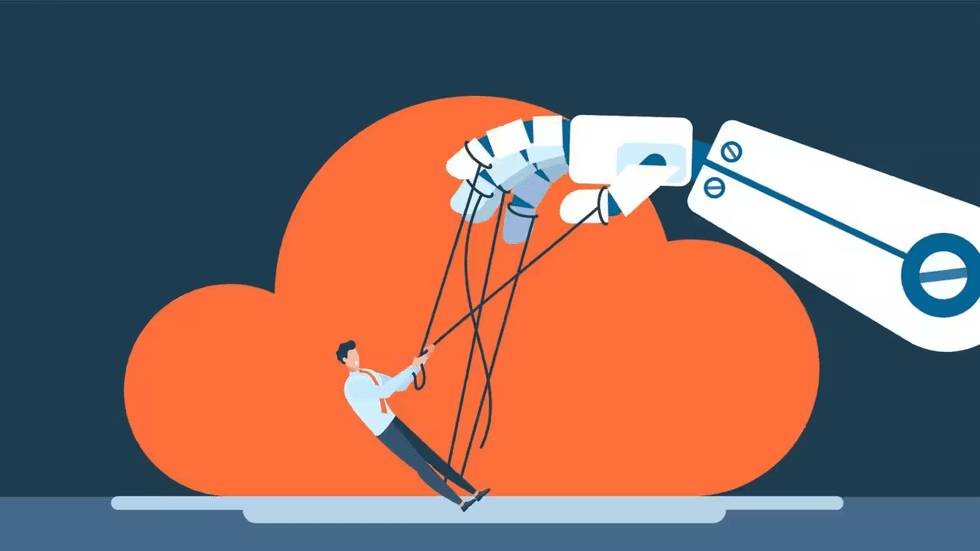
Gates sums up the dichotomy of today’s AI landscape with a single sentence: “AI will either be the greatest equalizer ever invented, or the worst source of injustice.” Unfortunately, it seems like we’re already leaning toward the latter, but that doesn’t mean we’re doomed.
There are signs that the AI race is running out of steam. The fearmongering over jobs, for instance, is already starting to abate. Of course, opportunistic CEOs like Sam Altman are disappointed, lamenting that AI hasn’t swept through the workforce nearly as fast as predicted. "I think it means we've all been too ambitious on timelines,” he recently said during an interview. “People keep doing the same things they're doing. They keep buying from the same company. They keep sort of wanting to use their tools in the same way,” instead of turning to AI. While this doesn’t bode well for the AI takeover, it offers a rare glint of hope, that maybe humanity won’t have its God-given responsibility to work stolen by soulless bots.
There’s also a bright spot for education. Although a new semester has just begun, last year ended with college students booing graduation commencement speakers for merely uttering the letters “AI.” If enough of them reject what has become an invasion on their ability to think freely, create intentionally, and dream openly, then they may be better off than some of the adults who already trust AI more than they should.
As for the security of our digital systems, the Trump administration is already trying to keep us safe by reviewing frontier models before they’re released to the public. There are pros and cons to this approach, but at least it’s an attempt to ensure that Bill Gates’ prophetic nightmare never comes to pass.