Bloomberg/Getty Images
Android and iOS are the most prominent mobile platforms on the planet, but they’re not the only options. Android alternatives are picking up steam, with GrapheneOS leading the pack, and this popular privacy-first option will soon be more accessible, thanks to a partnership that puts it directly on Motorola phones right out of the box.
GrapheneOS isn’t the easiest operating system to get your hands on. Currently, it’s not available on any device found on a store shelf or online. In fact, the only way to use it is to purchase a compatible Google Pixel phone and overwrite the core Android OS with GrapheneOS — a process that takes a little bit of technical know-how. The team behind Graphene tries to make it as easy as possible, but not everybody is willing to tinker with the operating system on a brand-new phone.
The Motorola phone with GrapheneOS might be the best private phone to date.
A new upcoming partnership hopes to change that.
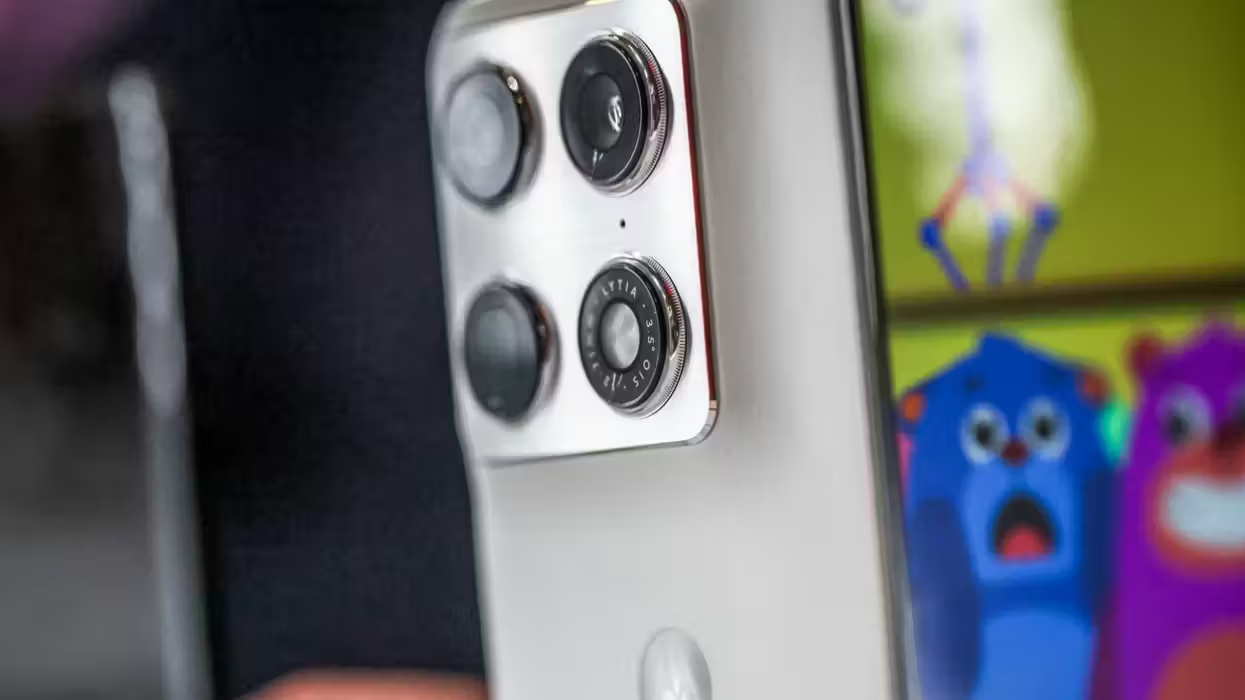
Motorola recently announced a deal that will put GrapheneOS directly onto its new phones. Information is scant right now, but we know that the first device will be available in 2027. When it launches, it’s expected to be a flagship device with a premium price tag. There is speculation that affordable, lower-end devices could be ready in the future, but that depends on a number of factors outside GrapheneOS’ control. Right now, top-end models are the target.
So why should you care?
The thing that makes GrapheneOS so compelling, especially to freedom-minded individuals, is that it takes the core essence of the Android operating system and strips out all of Google’s apps, services, and tracking mechanisms. What’s left is a clean slate to build a fresh, privacy-focused version of Android from the ground up.
The entire GrapheneOS experience is designed around privacy and security. The developers prioritize defense, looking out for zero-day vulnerabilities and patching them quickly, sometimes before Google can fix Android. They lock down app permissions — especially for the camera, microphone, gyroscope, and more — so that you can decide exactly which apps have precise access to the features in your device. They also have alternative apps to use out of the box, like Vanadium, their Chromium-based browser with none of Google’s grubby hands watching your web traffic.
Now, if you’re a Google fan, that doesn’t mean you can’t use Google Apps. GrapheneOS will let you download Google Play Store, Drive, Gmail, and everything else in the Google service ecosystem. The main difference, however, is that Google’s apps are no longer woven into the core operating system. Instead, you can install them into sandboxed locations on the device so they can’t gather data from outside of the place you put them, keeping Google out of your business unless you invite it in.
RELATED: Google's new daily helper knows all about you. Just how creepy is it?
 Marina113/Getty Images
That said, GrapheneOS isn’t perfect. There are some pieces of Android that are arguably better with Google. For instance, Gboard is easily one of the best keyboards on Android, if you don’t mind sending diagnostics and other data back to Mountain View. Gemini is also getting quite good these days, though its features may not be enough to convince you to let Google into your phone.
For every eyebrow raised over Google’s tracking practices, Android alternatives like GrapheneOS are here to make smartphones private again. As for the partnership with Motorola, this is a huge milestone that will take GrapheneOS from a niche privacy-focused solution for the few to a mainstream mobile alternative that puts privacy and security back into the hands of the people at large.
Depending on how well it goes, the Motorola phone with GrapheneOS might be the best private phone to date, though we’ll have to test one for ourselves to know for sure.
Like Blaze News? Bypass the censors, sign up for our newsletters, and get stories like this direct to your inbox. Sign up here!