© 2026 Blaze Media LLC. All rights reserved.
I recently came across an X post by a friend that crystallized thoughts that had been floating around in my head for some time. My friend observed that “no matter how long I’ve lived away from home, it’s always distressing when I return and discover mom has rearranged the living room furniture.” I expect many of us felt something similar visiting our families for Thanksgiving.
Every year, millions of Americans leave the big cities where they live and work and return to the small towns they still think of as “home.” For me, the big city is Dallas, Texas — an endless sprawl of suburbs and office parks where everything moves at the speed of emails and Slack messages.
Those of us who leave home to build lives elsewhere have a bizarre sense of ownership over the places we left behind. We expect them to stay the same while we spread our wings and fly.
For years, whether from Dallas or elsewhere, I returned “home” to spend the holidays with my family in Hillsdale, Michigan, a town of about 8,000, including the 1,700 or so students at Hillsdale College, about 90 minutes southwest of Detroit.
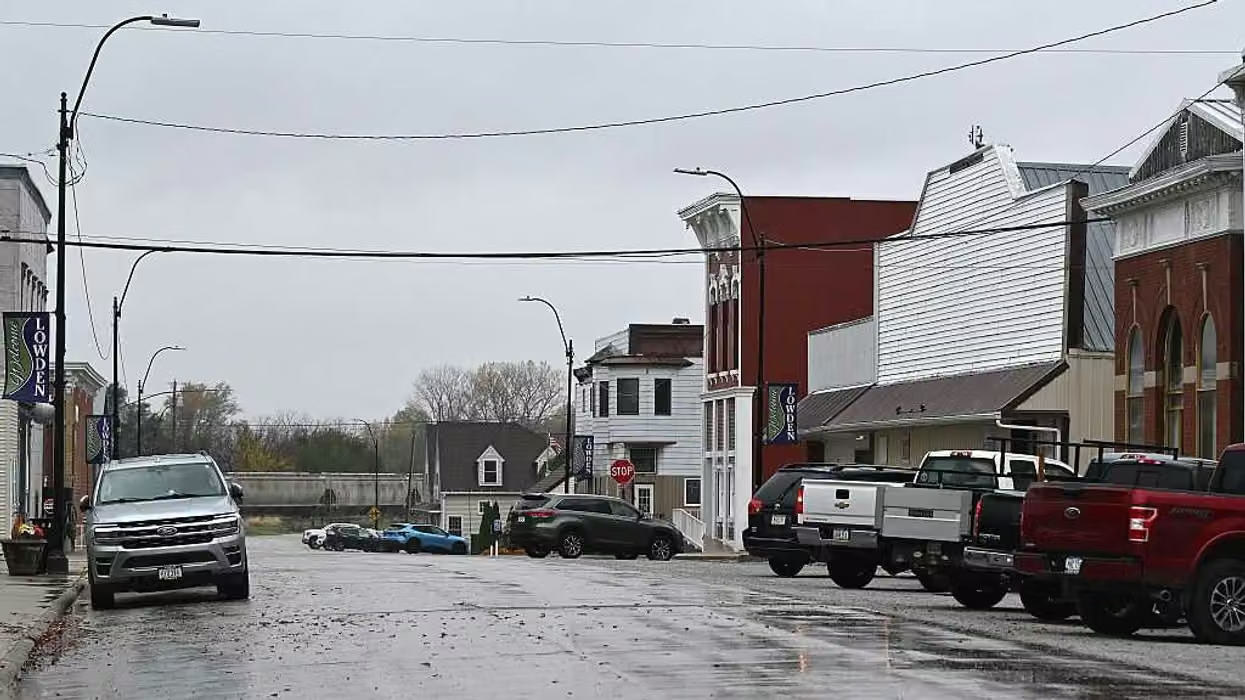
Every time I returned, things seemed the same: the small businesses, the familiar faces, the fixtures around our family property. Then, seemingly all at once — though really bit by bit — things changed. One business boarded up, then another was replaced. Neighbors’ children grew up or moved away, and our property changed as more of my siblings left home.
I wondered why I found these changes so upsetting. After all, growing up and watching places change are things that simply have to happen — I learned that from Winnie the Pooh.
I doubt I’m alone. Those of us who leave home to build lives elsewhere have a bizarre sense of ownership over the places we left behind. We expect them to stay the same while we spread our wings and fly. We expect to step outside time whenever we wish, to return to a sort of enchanted, primordial innocence — away from the relentless flow of time that drives us forward at the speed of the 21st century.
Of course, Narnia is not real. Time flows at the same speed everywhere on earth. That inescapable fact still upsets us. There is something sad about driving down the main street of a small American town and seeing another business boarded up and silent. Or perhaps it has been replaced by a sleek, private-equity-polished business catering to the residents of a new, IKEA-looking apartment complex a few buildings away. The change might even be an improvement, yet somehow it feels worse.
RELATED: And then there were three: How a 14-year-old made me a mother
 Blaze News
Trying to find something profound to say about all this, I turned to Thornton Wilder, who was far better at putting thoughts on paper than I am. In his play “Our Town” (if you haven’t read it, cancel that in-flight movie on your return trip to the big city and fix the problem), a young woman named Emily dies at 26 while giving birth to her second child.
Emily is given the chance to relive one day of her life, and she chooses her 12th birthday. Watching her family hurry through the morning, she grows distressed. Finally, she cannot bear it: “I can’t. I can’t go on. It goes so fast. We don’t have time to look at one another.”
How often have we — I as much as anyone else — sighed or scrolled our way through a visit home or a family gathering? How often have we rolled our eyes at the quaint, small-town ways of friends or relatives? How often have we taken those sights and sounds for granted, never knowing when we might see or hear them for the last time?
This year, my family gathered in South Carolina for Thanksgiving. I was more than content with the change — the drive from Dallas to Charleston is scenic. But it made me think of how many times I grumbled about the gales of November in Michigan, the bad internet on our dirt road, or anything else that seemed worth complaining about. Maybe we’ll be back in Michigan next November. Maybe we won’t. You never know.
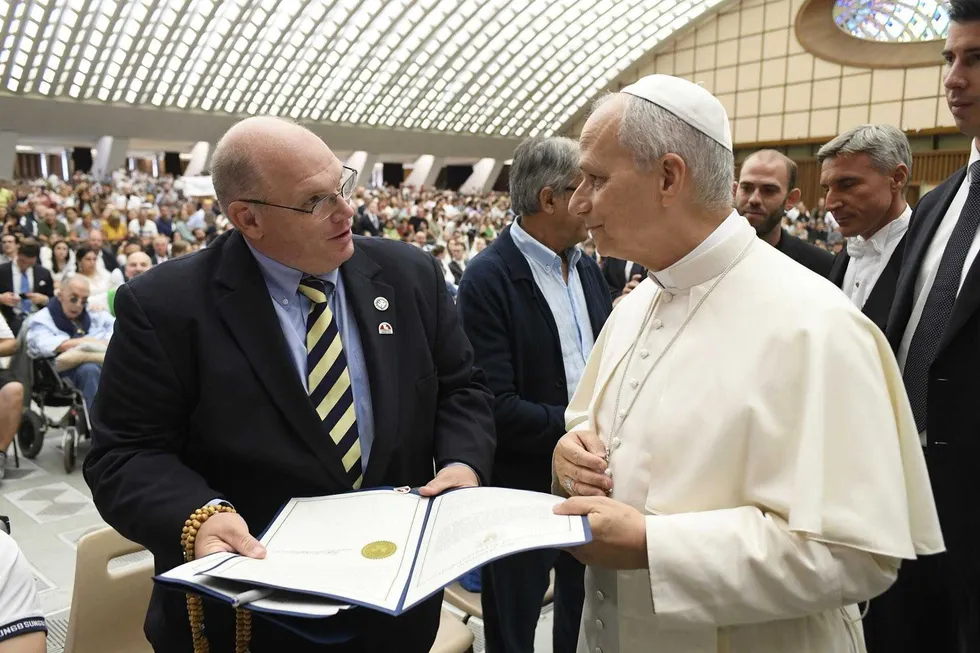
RELATED: I’m thankful to have known Louisiana’s Mike Bayham
 Michael Bayham/Facebook/Used with permission
Before returning to the grave, Emily says goodbye to her past life: “Oh, earth, you’re too wonderful for anybody to realize you.” It’s hard to appreciate and be thankful for things in the moment. Hindsight is 20/20, after all. It’s much easier to take them for granted while we tap our feet, impatient for the next second to tick by.
Wilder does offer an example of how to appreciate life as we live it. Emily asks the Stage Manager — the play’s narrator — “Do any human beings ever realize life while they live it...every, every minute?” I found his response encouraging.
“No.”
But then he pauses: “The saints and poets, maybe — they do some.”
As a Catholic, I am already striving for sainthood. Is it hard? Certainly, but that’s just the way it is. Learning to appreciate the world and the people around you every day is another part of that struggle for sanctity. That doesn’t make it easy, but things worth doing seldom are.
The poet part might be an added bonus, but I’ll try my best.
Want to leave a tip?
We answer to you. Help keep our content free of advertisers and big tech censorship by leaving a tip today.