Kevin Dietsch/Getty Images
A historic lawsuit spanning the United States and its territories ended abruptly this week, and its terms will make major changes to how children use social media.
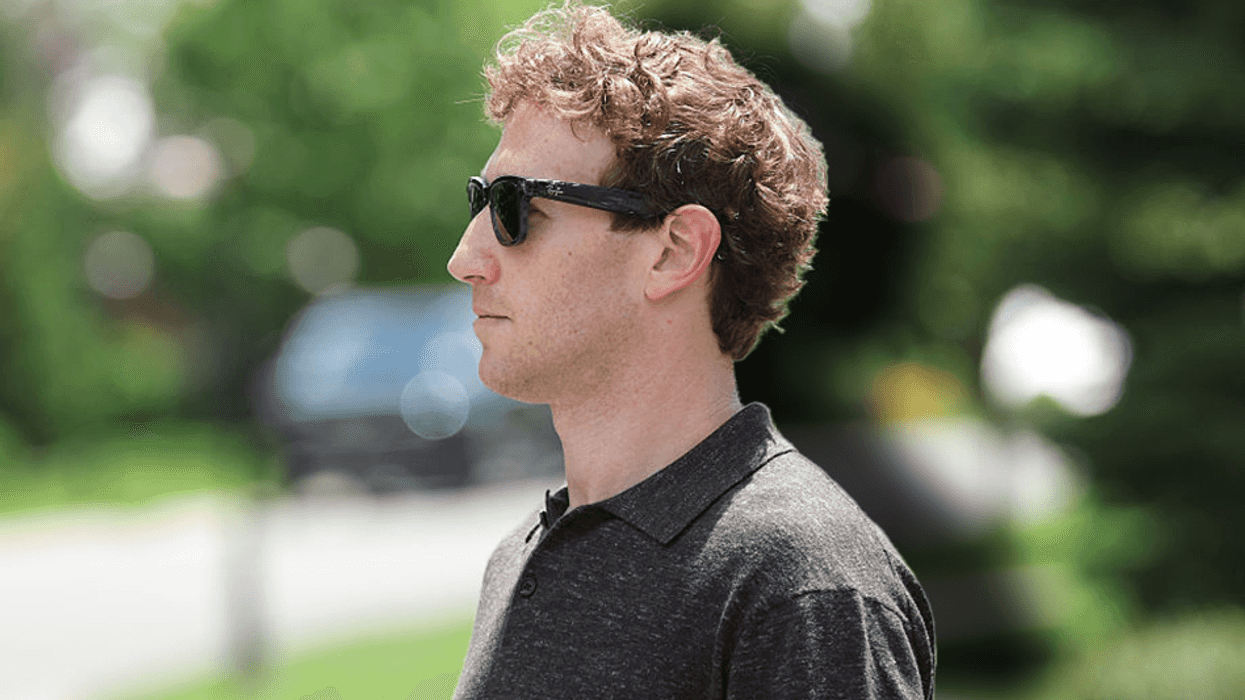
The lawsuit brought forth by 29 states accused Mark Zuckerberg's Meta platforms of knowingly being addictive and harmful to young users.
'This framework will only work if all our peers join us.'
The case has been in trial since August 18 in the U.S. District Court for the Northern District of California, and it only took about a week for Zuckerberg and co. to come to an agreement with the accusing parties.
On Wednesday morning, a settlement was announced that will have Meta paying up to $18 billion over 10 years, while implementing new child safety protocols on its platforms, Variety reported.
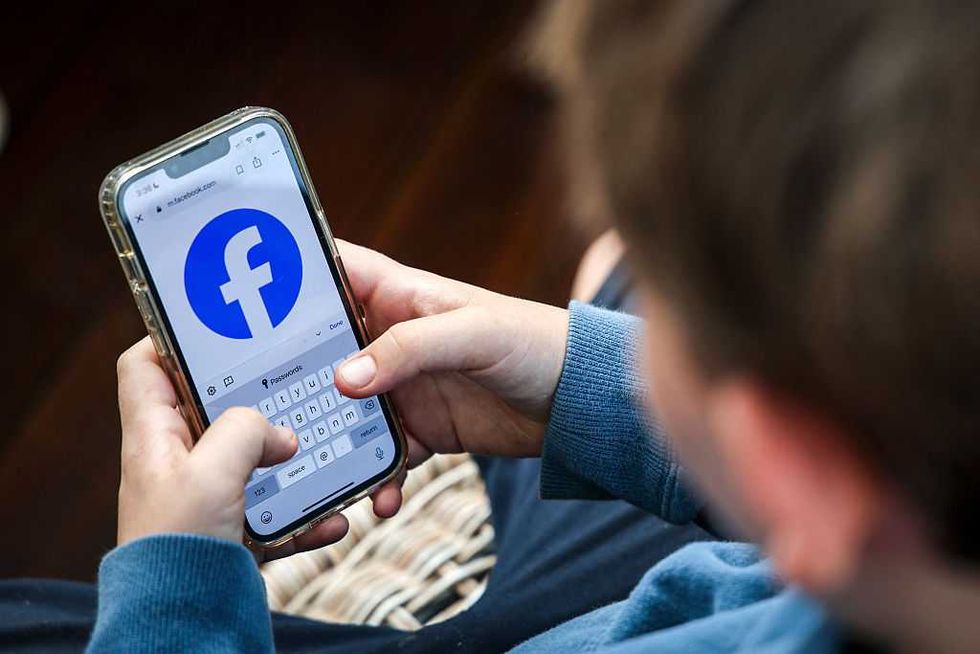
New rules include a "hard cap" on daily time limits for children, totaling a combined two-hour daily limit across Instagram and Facebook, with mandatory pauses after 15 minutes of continuous use.
Children will be blocked from accessing Meta platforms from 12 a.m. to 6 a.m., in addition to limited school-time access, with push notifications blocked for children between 8 a.m. and 3 p.m. during the school year on weekdays.
Age "assurance" measures were described as being "robust," while Meta promised more parental control, safeguards against bullying, and limitations on harmful content.
The catch — and it's a big one — is that the usage limits are planned for just five years. At the same time, Meta said that it will drop its allowed usage to only 60 minutes for 10 years if Snapchat, TikTok, and YouTube adopt comparable terms.
The settlement payments also depend on other social platforms adopting similar policies. About 70% of the money will be allocated to participating states over the 10-year period, but the remaining 30% will only be released if YouTube and TikTok implement a one-hour daily limit, the night mode policy, and age assurance measures.
As well, YouTube and TikTok must each pay an amount that matches the 30% sum figure, Variety reported.
RELATED: Federal agents wanted to search his phone — now they say the trick he used to stop them is a crime
 David GRAY/AFP/Getty Images
The lawsuit was led by California AG Rob Bonta, with the settlement garnering his state between $1.5 and $2.1 billion, if approved.
"Today, we have secured a settlement with Meta that will make social media less dangerous for our kids and make a world of a difference for children and their families," Bonta said in a statement. "Meta has agreed to make massive transformations that will reduce the risk of harm from its platforms — and will do it within months."
According to Reuters, Meta denied wrongdoing in the settlement, which absolves it of accusations that its platforms are designed to have addictive features and knowingly exposed children to mental harms, among other claims.
Meta chief legal officer C.J. Mahoney said publicly that the new framework "will empower parents to easily manage how their children access our platforms."
"This framework will only work if all our peers join us," Mahoney added.
"Because teens move fluidly across dozens of apps, we need an industry-wide solution. We therefore call on our industry peers, TikTok and YouTube, to implement this new framework, right away. As a parent, I'm proud of both the work Meta has done to protect kids historically, and of this new groundbreaking agreement. But its success depends on all other social media platforms following Meta's lead," he concluded.
RELATED: RIP your nostalgia — the top owner of kids' TV shows is giving its characters a high-tech makeover
 Enrico Fabian/The Washington Post/Getty Images
In a statement provided to Blaze News, the National Center on Sexual Exploitation said that the settlement is "one step [in] Big Tech's reckoning" for the harms it has enabled against children.
Executive Director Haley McNamara said the settlement is "a crucial step to hold Meta accountable for protecting children, and we commend the state attorneys general for carrying these cases forward."
"Attention must now turn to Congress to establish a foundation for Big Tech companies like Meta to follow when it comes to protecting children online," McNamara added.
Meta expects to accrue around $10 billion in legal expenses its third quarter of 2026.
As noted by Georgia's Office of the Attorney General, the case included 52 attorneys generals across 47 states (excluding Florida, New Mexico, and Texas) and the jurisdictions of Washington, D.C., Puerto Rico, American Samoa, and the Northern Mariana Islands.
Florida Attorney General James Uthmeier explained in a post on X why his state did not join the settlement. Uthmeier called the payouts "peanuts" that are inequal to the "profound harms" Meta's features have inflicted on kids.
"A slap on the wrist for a trillion-dollar corp that'll pay more to lawyers than to the states. We'll see them at trial," the Florida AG said.
Like Blaze News? Bypass the censors, sign up for our newsletters, and get stories like this direct to your inbox. Sign up here!