Getty Images
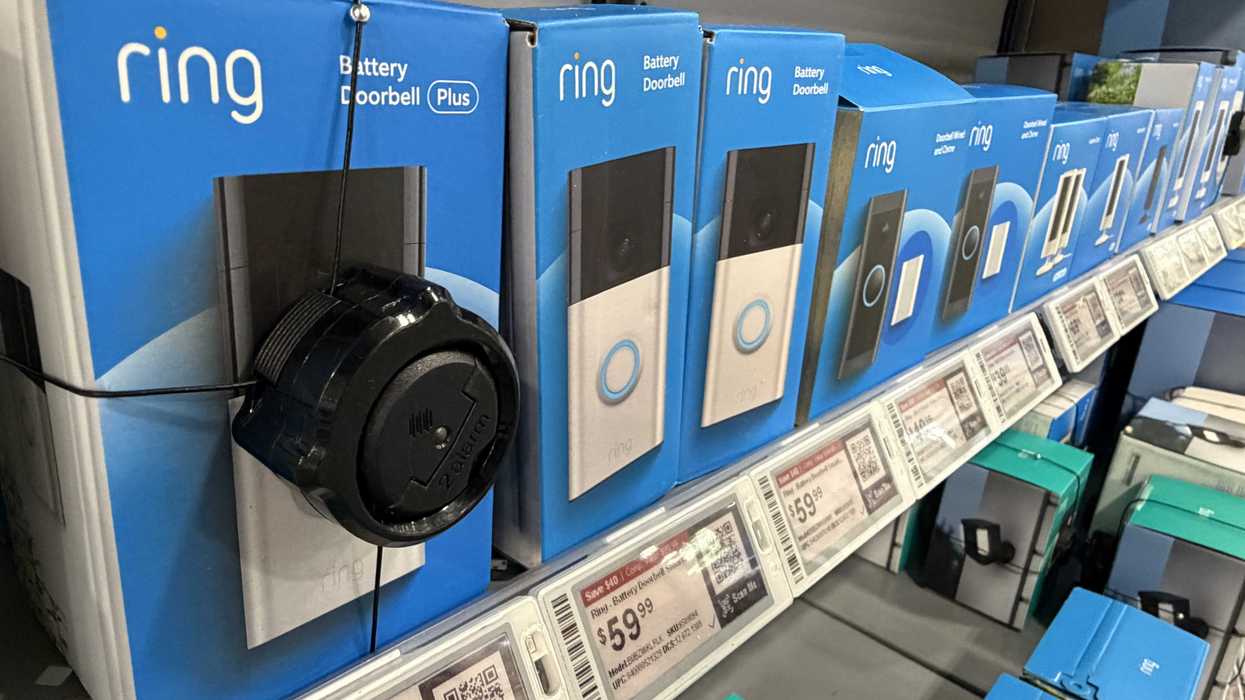
Amazon’s Ring cameras haven’t had a great year. The brand has been plagued by a spying lawsuit, an unofficial mass surveillance dragnet feature, and unhelpful comments from the CEO. Now it's back in the news, but this time, they company is doing something right. Ring has a new encryption standard, and you’re going to want it on your camera at home.
The new encryption standard is called TAKE, short for “Throw Away the Key Encryption.” As the name implies, the encryption keys that protect video footage are akin to single-use plastic bottles. Once it’s used up, it’s thrown out and replaced with another key. Since the encryption keys regularly change, it should be more difficult for anyone — including hackers, Amazon employees, and even law enforcement — to grab the key and access protected footage, when compared to non-encrypted video files.
E2EE is still the gold standard for protecting digital data, but if you want to take advantage of Amazon’s cloud features, TAKE is a reasonable compromise.
TAKE keys are saved in a secure enclave within Amazon’s cloud servers, giving users access to Amazon’s entire suite of cloud services without compromises. They can also be temporarily lent out to other users who may need one — like a babysitter or a housesitter — and revoked at will.
This system is different from end-to-end encryption, which Ring also offers to its users. E2EE ensures that all data sent between one device and another is completely protected in transit and at rest so that only the end user has access. Unfortunately, if you rely on Ring’s cloud services, E2EE cuts off any ability to share your footage with other users, like a family member or trusted friend. So it has its limits.
If you’re like me, your ears perked up when you read the words “TAKE keys are saved in a secure enclave within Amazon’s cloud servers.” After all, what good is encryption that lives directly on a company’s server?
Earlier this year, we learned what happens when Big Tech stores security keys in the cloud. In the case of Microsoft, it can hand your BitLocker recovery key over to the government to access your PC files. Is TAKE any different?
RELATED: New lawsuit claims Ring's smart doorbell spyware is taking photos of millions without their consent
 EvgeniyShkolenko/Getty Images
According to Amazon, the company has limited capabilities, stating, “Ring can only receive access to power the intelligent features that you have active on your account, and then throws away and deletes the keys. After that, only you — and any trusted Shared Users that you have chosen to enable — retain the keys to your video on your enrolled devices, like your phone, tablet, or computer.”
Amazon continues, “You hold the master key to your videos, and you are the one who decides who gets access to a spare and for what purpose. You are in control of your keys and your videos; it is that simple.”
What makes TAKE compelling as a way to keep your data safe from prying eyes — including Amazon — is that there are two important mechanisms at play. The secure enclave, like the one built within TAKE, is designed to conceal the data stored within, even from the company that possesses it. For any data that you do allow out of the enclave, you have the power to give or revoke encryption access at will. In the end, this should limit Amazon’s ability to share your footage with anyone who shouldn’t have it.
Ultimately, E2EE is still the gold standard for protecting digital data, but if you want to take advantage of Amazon’s cloud features, TAKE is a reasonable compromise.
TAKE is expected to roll out in September, and it will become the free default option for all Ring users. That means you don’t have to do anything to enable it on your devices or your account. It will simply be implemented to protect your data when it’s available.
Like Blaze News? Bypass the censors, sign up for our newsletters, and get stories like this direct to your inbox. Sign up here!